


Sodium Tripolyphosphate Price Trends: Raw Material and Energy Exposure
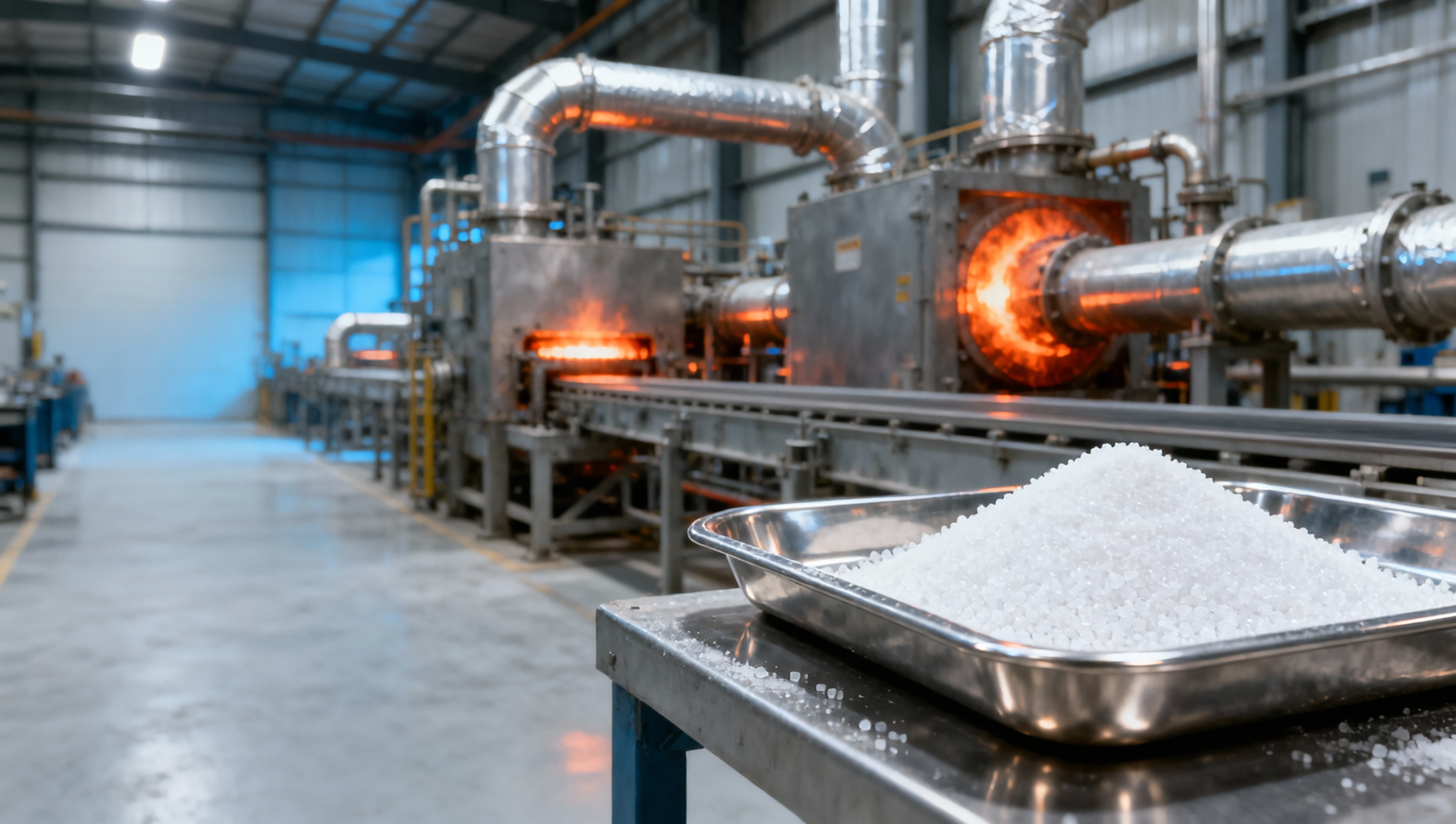
Sodium Tripolyphosphate Price Trends: Raw Material and Energy Exposure
Assessing the sodium tripolyphosphate price requires more than comparing supplier quotations. Phosphate feedstock costs, soda ash prices, and energy expenses influence production economics, while grade specifications, freight, and contract terms shape the final procurement cost. Understanding these exposures helps distinguish temporary quotation movements from changes that may affect the next purchasing cycle.
The difficult part is timing. A producer may still be consuming lower-cost raw material when replacement costs rise. Another supplier may quote from finished inventory purchased before the market softened. Both offers can be commercially genuine, yet neither necessarily describes the cost of the next production batch. For budget planning, that distinction matters more than a single attractive price.
Read the phosphate route before reading the price trend
Sodium tripolyphosphate, commonly called STPP, is produced through the preparation of sodium phosphate intermediates followed by thermal condensation. Phosphoric acid and a sodium source, commonly soda ash, are therefore central to the cost discussion. But “phosphoric acid prices” are not one uniform indicator: production route, concentration, impurity profile, and purification requirements all affect relevance.
For acid originating from phosphate rock, rock quality and processing costs influence the upstream position. Sulfur and sulfuric acid can also matter where wet-process acid is involved. Thermal phosphoric acid has a different exposure, particularly through yellow phosphorus and its electricity-intensive production. A movement in one route should not automatically be applied to every STPP producer.
This is especially important when comparing technical and food-grade material. Food-grade supply requires appropriate impurity control and documentation for the intended market. A cheaper upstream acid stream is not automatically an economical substitute once purification, yield, and compliance requirements are considered.
A useful supplier question is: Which phosphate input is driving this revision, and does it affect existing stock or only new production? The answer need not disclose a confidential manufacturing formula. It should, however, identify whether the explanation concerns raw material replacement cost, availability, or a change in the offered grade.
Soda ash and energy do not move in lockstep
Soda ash introduces a separate cost cycle. Its market is influenced by its own production capacity, operating rates, logistics, and demand from industries such as glass manufacturing. Phosphate inputs can firm while soda ash weakens, partially offsetting pressure on STPP conversion economics. Looking at only the most visible rising input can therefore exaggerate the likely finished-product increase.
The delivered soda ash cost matters more than a distant benchmark. A producer buying domestically under contract may experience a different movement from one purchasing spot cargoes. Transport costs, purchasing schedules, and stock coverage can delay or soften the transmission of a headline market change.
Energy exposure also has more than one layer. STPP production requires heat for water removal and thermal processing, alongside electricity for plant operations. Upstream phosphate production may carry additional energy exposure. Counting both is useful, but treating the same upstream electricity increase as two separate cost additions would overstate the impact.
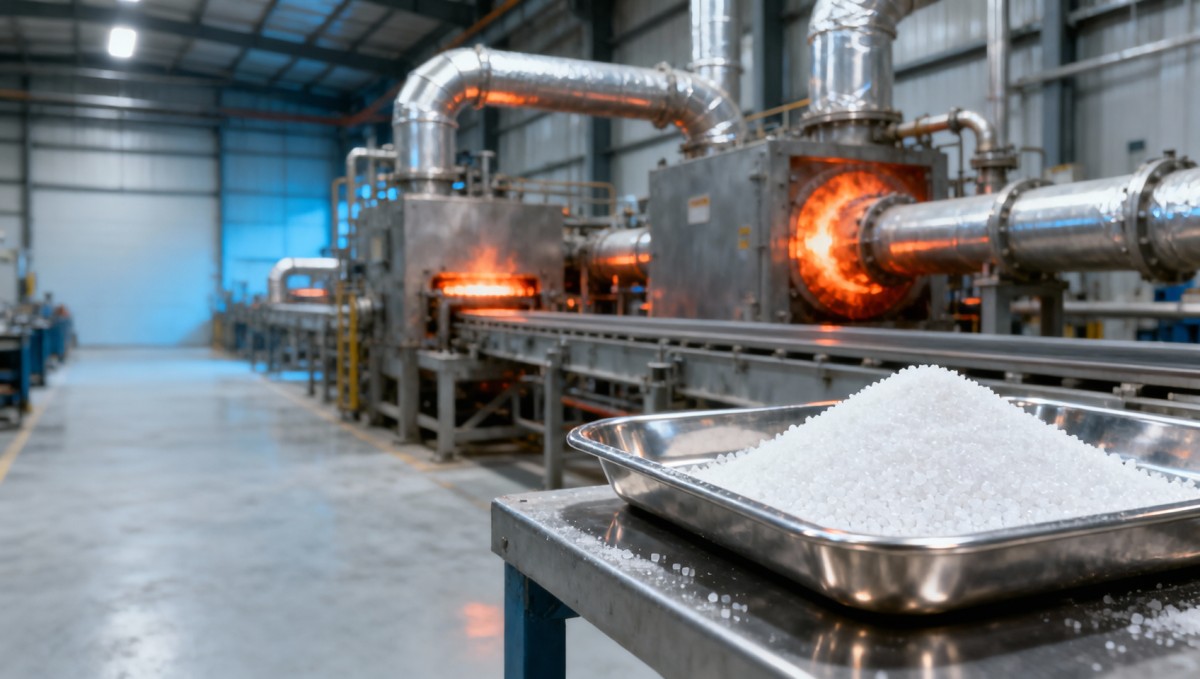
Plant configuration changes the result. Fuel choice, heat recovery, feed concentration, and operating efficiency affect the amount of purchased energy required per tonne. A producer with less water to evaporate or better heat integration may not respond to a fuel-price increase in the same way as another plant. Without plant-specific evidence, a universal energy cost percentage is not a reliable basis for negotiation.
There is also a difference between expensive energy and unavailable energy. Higher tariffs may produce gradual price pressure; restricted power or fuel supply can interrupt output and tighten nearby availability. In the second situation, lead times and shipment commitments may deteriorate before published price indications clearly move.
Separate cost pressure from supplier pricing behavior
Raw material inflation supports a cost argument, but it does not guarantee that producers can pass every increase downstream. Weak demand, high inventories, and competition may compress margins instead. Conversely, constrained supply can keep STPP offers firm even after feedstock prices begin to ease.
Consider a buyer receiving a higher quotation while a phosphate indicator is falling. Rejecting the increase immediately may miss the real explanation: the offer could involve a later shipment window, a different specification, or higher freight. But accepting “raw materials increased” without clarification is equally weak. Ask the supplier to separate product, logistics, and commercial changes.
These are diagnostic possibilities, not automatic conclusions. Their value is in directing the next question rather than predicting a market reversal.
A comparable quotation needs more than a grade name
“Technical grade STPP” is not a complete purchasing specification. Assay, phosphorus pentoxide content, insoluble matter, pH, particle size, bulk density, and phase composition may matter depending on the application. Phase composition can affect hydration behavior; particle characteristics can influence handling and formulation performance. The lowest price per tonne is not necessarily the lowest cost in use.
For food applications, confirm the applicable destination requirements and supporting documentation rather than assuming a generic food-grade description is sufficient. Request an agreed specification and appropriate lot documentation. A certificate of analysis is useful, but it does not by itself establish suitability for every jurisdiction or formulation.
Normalize quotations to the same currency, quantity, packaging, payment terms, shipment period, and named delivery point. An FOB offer and a CIF offer cannot be compared by their headline numbers. Even two CIF offers may involve different ports, sailing schedules, or destination charges outside the quoted scope.
For imported material, calculate landed cost with freight, insurance where applicable, duties, clearance, inland transport, financing, and expected handling losses. Verify tariff treatment locally. A classification or duty assumption carried over from another chemical can erase an apparent purchasing saving.
Build a purchasing view without pretending to know the next price
Without dated, comparable quotations, there is no defensible basis for declaring that the sodium tripolyphosphate price is currently rising or falling worldwide. A practical monitoring file should track offers from qualified suppliers alongside relevant phosphate inputs, delivered soda ash, regional energy conditions, and freight for the actual shipping lane.
Record the quotation date and validity, not just the number. Also note whether the offer covers available stock or future production. Over several purchasing cycles, this helps reveal whether a supplier's revisions broadly follow input conditions or are mainly driven by inventory and order-book changes.
For budgeting, use scenarios rather than an unsupported point forecast:
- Cost-pressure scenario: phosphate replacement costs and energy expenses rise together, with limited finished-stock coverage.
- Offsetting-input scenario: one major input rises while another falls, leaving a smaller net change in conversion economics.
- Availability scenario: production or transport disruption raises delivery risk even when underlying input prices are stable.
Attach purchasing actions to those scenarios. Staggered orders can reduce exposure to a single booking date, while a limited forward commitment may protect essential consumption. Buying more inventory is not automatically prudent: storage conditions, working capital, demand visibility, and the risk of caking or moisture-related handling problems all need consideration.
Keep consolidated sourcing commercially useful—and technically separate
A multi-product chemical trading partner can help coordinate quotations, documentation, and shipping across a purchasing portfolio. Luxi Chemical (Shandong) Co., Ltd. supplies chemical raw materials across categories including food additives, organic intermediates, and fertilizers, serving customers in more than 60 countries and regions. That breadth can support sourcing discussions, but each product still needs its own technical and commercial evaluation.
For example, a separate requirement for Sodium carboxyl methylstarch CAS#9063-38-1 should not be assessed through phosphate-market indicators. This starch-derived material has pharmaceutical applications including tablet and capsule disintegration, subject to grade suitability and qualification. Its swelling behavior, moisture sensitivity, and documentation requirements raise different purchasing questions from STPP. Consolidating supplier communication does not make the products interchangeable or give them the same cost drivers.
Before approving the next STPP order, ask for a comparable specification, a clearly defined delivery basis, and an explanation of what changed since the previous quotation. If the supplier attributes the movement to energy or phosphate costs, establish which input, which production route, and which purchasing period is affected. That is a stronger basis for negotiation than either a broad market headline or an unexplained discount.
Related Picks
 Butylated Hydroxytoluene Price Drivers: Supply, Purity, and Purchasing Risk FactorsOct 21, 2026Butylated Hydroxytoluene price trends depend on supply stability, purity, logistics, and purchasing risk. Learn how to compare quotes wisely and reduce sourcing costs.
 Sodium Tripolyphosphate Price Trends: Raw Material and Energy ExposureOct 20, 2026Explore sodium tripolyphosphate price trends, from phosphate and soda ash costs to energy exposure. Learn how to compare quotes, manage sourcing risks, and make smarter purchasing decisions.
 Acetonitrile Shipment to Vietnam Successfully Dispatched; RCEP Benefits Boost Fine Chemical Trade with ASEANSep 16, 2026A shipment of industrial-grade acetonitrile from our company has recently been loaded and dispatched following the completion of standardized hazardous material packaging and container securing procedures.
 Nigerian Client’s Order of 4 Containers of Vinyl Acetate Successfully Loaded and Shipped to West AfricaSep 16, 2026We recently completed the loading of a vinyl acetate order for a Nigerian client; four containers of the product have been successfully packed and are ready for shipment to Nigeria.



Question Consultation
Send Us Your Inquiry Today

Luxi Chemical is a professional chemical product supplier with ample stock of all chemical categories and excellent quality, welcome your purchase inquiry.

