


Dodecyl Dimethyl Benzyl Ammonium Chloride for Hospital Disinfection: Contact Time, Log Reduction Performance vs. QAC Alternatives
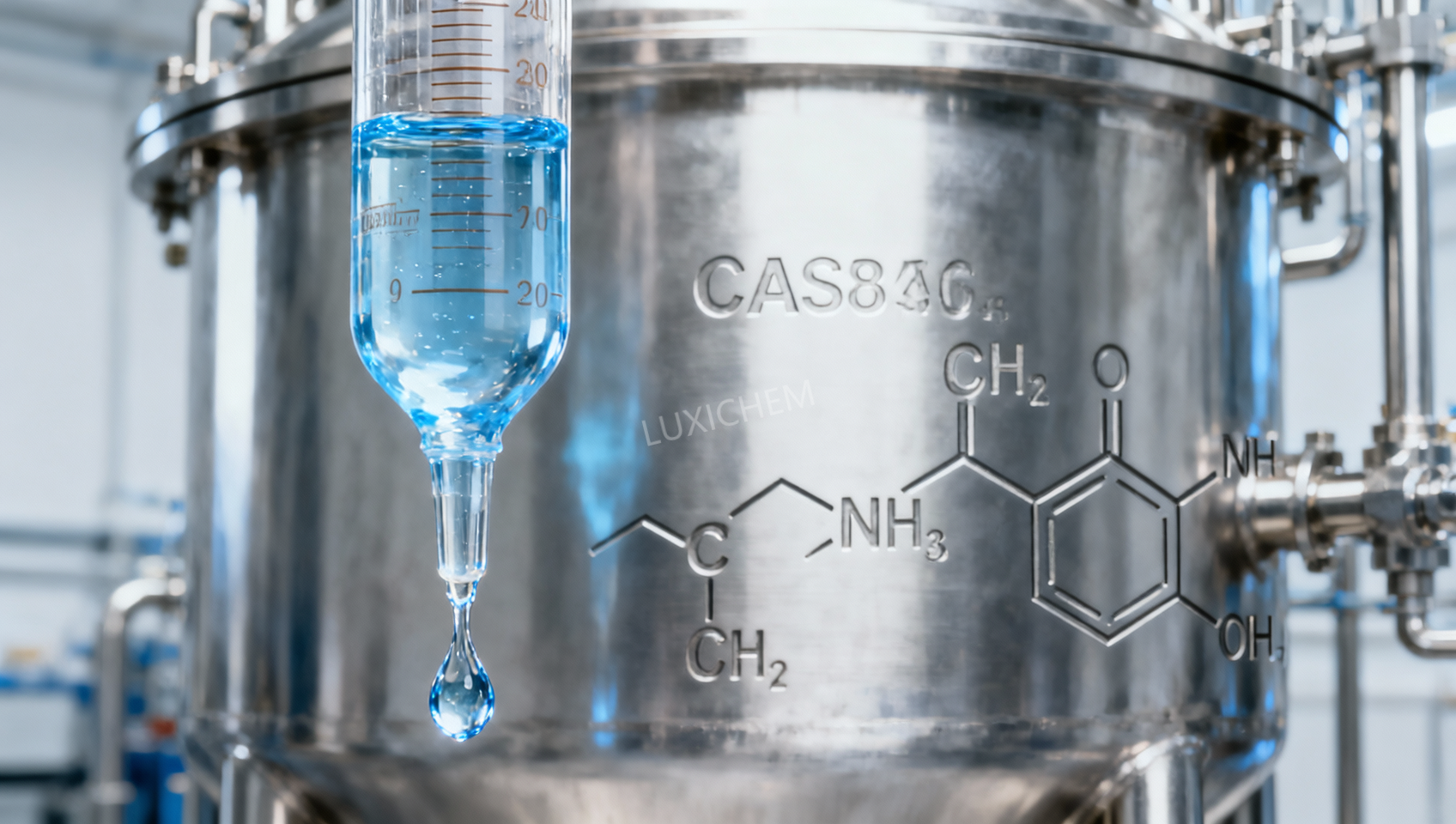
Dodecyl Dimethyl Benzyl Ammonium Chloride (DDBAC) is not just another quaternary ammonium compound on the shelf—it’s increasingly appearing in hospital disinfection protocols where speed, reliability, and regulatory alignment matter most. But for quality control and safety managers, its presence raises practical questions: *How long must surfaces stay wet to achieve validated log reduction? Does it outperform more familiar QACs like benzalkonium chloride (BAC) or didecyldimethylammonium chloride (DDAC) against clinically relevant pathogens? And—critically—does its performance hold up under real-world storage, dilution, and use conditions?*
Contact Time Isn’t Just a Number on the Label
Many users assume “contact time” means the minimum duration listed on an EPA-registered label—say, 5 minutes. In practice, that number reflects ideal lab conditions: 20–25°C ambient temperature, no organic soil load, freshly prepared solution, and uniform surface coverage. Real hospital environments rarely match that. DDBAC’s cationic structure gives it strong affinity for negatively charged microbial membranes and organic debris—but that same affinity means organic matter (blood, mucus, protein residues) can rapidly bind and neutralize available active ingredient. If a high-touch surface in an ICU is wiped with a visibly soiled cloth before application, or if the disinfectant solution has been sitting in a warm utility room for hours, the effective contact time needed to achieve ≥3-log reduction of Staphylococcus aureus or Enterococcus faecalis may extend beyond the labeled claim.
This isn’t theoretical. Field audits consistently show discrepancies between documented dwell time and actual surface wetness duration—especially on vertical surfaces, porous materials, or during rapid turnover. For DDBAC, stability in dilute aqueous solution matters more than for some alternatives. Unlike BAC, which tends to precipitate at low concentrations or in hard water, DDBAC maintains solubility and surface activity across a broader pH and hardness range. That translates to more consistent delivery of active molecules to the target site—even when preparation isn’t perfect.
Log Reduction: Context Matters More Than Peak Numbers
Comparing log reduction data across QACs is tempting—but misleading if done without context. A product claiming “6-log reduction of Pseudomonas aeruginosa in 10 minutes” sounds superior—until you check the test method: was it AOAC Use-Dilution, EN 13697, or a proprietary suspension assay? Was the challenge organism grown planktonically or as a biofilm? Was the surface stainless steel, vinyl, or dried blood film?
DDBAC typically delivers robust 4–5 log reductions against Gram-positive bacteria (e.g., MRSA, VRE) and enveloped viruses (e.g., influenza, SARS-CoV-2) within 3–5 minutes under standard test conditions. Against non-enveloped viruses (e.g., norovirus, adenovirus) or Gram-negative rods like P. aeruginosa, efficacy drops significantly—and most DDBAC formulations are not EPA-registered for those claims. This is where comparison becomes operational, not academic:
- BAC: Faster initial kill on clean surfaces, but more sensitive to hard water ions and organic load; often requires higher concentrations to maintain efficacy.
- DDAC: Stronger residual activity and better biofilm penetration due to dual alkyl chains—but slower onset and higher potential for material incompatibility (e.g., certain plastics, rubber seals).
- DDBAC: Balanced profile—faster onset than DDAC, greater tolerance to moderate soil load than BAC, and lower volatility than both. Its benzyl group enhances membrane disruption kinetics, particularly against Gram-positives.
The takeaway? DDBAC isn’t “stronger” across the board—but it’s more predictable in mixed-use, fast-paced clinical settings where consistency trumps peak performance.
Stability Is Where Formulation Meets Function
A disinfectant is only as reliable as its weakest link: the diluted working solution. DDBAC solutions degrade primarily through hydrolysis and oxidation—accelerated by heat, UV exposure, and trace metals. Unlike sodium hypochlorite or hydrogen peroxide, it doesn’t off-gas or decompose visibly, making degradation easy to miss until efficacy slips.
This is where raw material quality and formulation integrity directly impact QC outcomes. Impurities—such as residual amines from incomplete quaternization or chloride salts from synthesis—can catalyze breakdown or interfere with antimicrobial action. That’s why reputable suppliers prioritize tight control over starting materials, reaction stoichiometry, and post-synthesis purification. Stability testing shouldn’t stop at accelerated aging (40°C/75% RH); it should include real-time monitoring of active ingredient concentration via HPLC or titration over 30+ days in typical hospital storage conditions (e.g., plastic spray bottles at 25–30°C).
One often-overlooked factor is compatibility with other agents used in the same environment. For example, in centralized water treatment systems supporting hospital facilities, residual oxidants like chlorine or ozone must be removed before QAC-based disinfectants are introduced—or they’ll react and deplete active ingredients. Here, reducing agents such as Sodium Sulfite CAS#7757-83-7 are routinely used for dechlorination upstream, ensuring QAC stability downstream. Its hygroscopic nature and alkaline pH (9.0–10.5 in 1M solution) require careful handling and dry storage—but when properly managed, it provides reliable, quantitative removal of free chlorine without introducing heavy metals or persistent byproducts.
What This Means for Your Daily Workflow
As a quality control or safety manager, your goal isn’t to pick the “best” QAC—it’s to select the one that minimizes variability in your specific environment. Start by mapping your highest-risk touchpoints: infusion pumps, bed rails, ultrasound probes, door handles in isolation rooms. Then ask:
- What’s the typical organic load on those surfaces? (High-soil areas favor DDBAC over BAC.)
- What’s the average dwell time staff can realistically ensure? (If >5 min is rare, avoid products requiring 10-min contact.)
- What’s your water hardness and storage temperature? (Hard water favors DDBAC; high ambient temps demand tighter shelf-life controls.)
- Are you using multiple disinfectants across departments? (Cross-contamination risk increases with formulation complexity.)
DDBAC shines when consistency across shifts, locations, and user skill levels is non-negotiable. It doesn’t demand perfect technique—but it does demand verification. That means validating not just the label claim, but your own prepared solution’s concentration weekly (via titration or calibrated test strips), checking surface wetness duration during spot audits, and reviewing environmental swab data—not just for pass/fail, but for trends in recovery of indicator organisms.
Final Note on Supplier Selection
Luxi Chemical (Shandong) Co., Ltd. supplies DDBAC as part of a broader portfolio of regulated chemical intermediates—including food-grade additives, pharmaceutical excipients, and industrial actives. Their strength lies not in marketing claims, but in batch-to-batch consistency, full traceability of synthesis pathways, and compliance documentation aligned with global regulatory expectations (e.g., TSCA, REACH pre-registration support). For hospitals sourcing raw materials for in-house disinfectant blending—or for distributors building private-label formulations—this kind of supply chain reliability reduces validation burden and supports audit readiness far more than marginal differences in theoretical log reduction.
In short: DDBAC isn’t a magic bullet. It’s a pragmatic tool—one that rewards disciplined use and punishes assumptions. Choose it not because it’s newest or flashiest, but because its performance envelope matches your operational reality.
Related Picks
 Butylated Hydroxytoluene Price Drivers: Supply, Purity, and Purchasing Risk FactorsOct 21, 2026Butylated Hydroxytoluene price trends depend on supply stability, purity, logistics, and purchasing risk. Learn how to compare quotes wisely and reduce sourcing costs.
 Sodium Tripolyphosphate Price Trends: Raw Material and Energy ExposureOct 20, 2026Explore sodium tripolyphosphate price trends, from phosphate and soda ash costs to energy exposure. Learn how to compare quotes, manage sourcing risks, and make smarter purchasing decisions.
 Acetonitrile Shipment to Vietnam Successfully Dispatched; RCEP Benefits Boost Fine Chemical Trade with ASEANSep 16, 2026A shipment of industrial-grade acetonitrile from our company has recently been loaded and dispatched following the completion of standardized hazardous material packaging and container securing procedures.
 Nigerian Client’s Order of 4 Containers of Vinyl Acetate Successfully Loaded and Shipped to West AfricaSep 16, 2026We recently completed the loading of a vinyl acetate order for a Nigerian client; four containers of the product have been successfully packed and are ready for shipment to Nigeria.




Question Consultation
Send Us Your Inquiry Today

Luxi Chemical is a professional chemical product supplier with ample stock of all chemical categories and excellent quality, welcome your purchase inquiry.

