


Why Does Polypropylene Pellet Quality Affect the Final Product Performance?
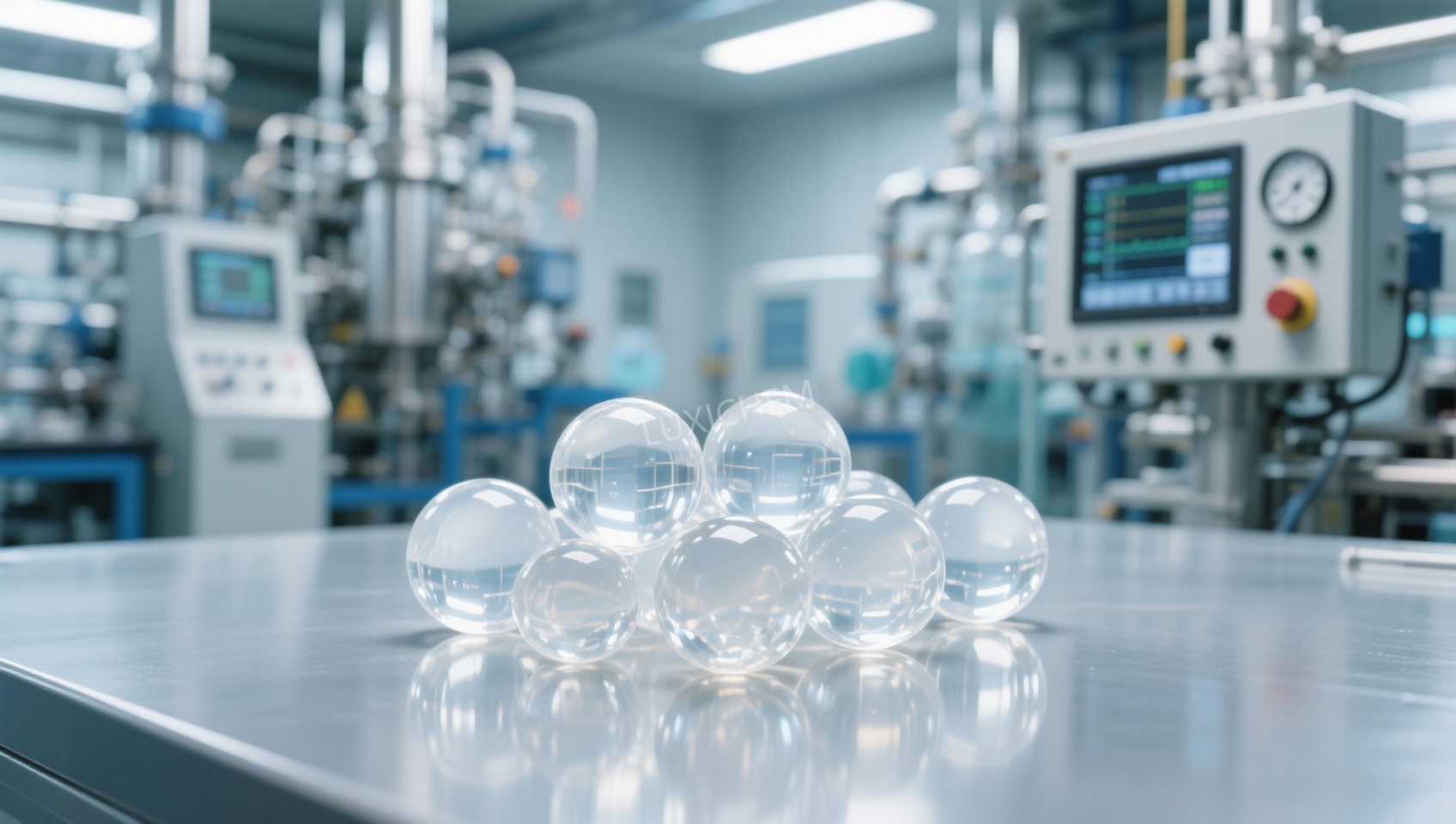
Why Does Polypropylene Pellet Quality Affect the Final Product Performance?
For quality control and safety managers, understanding how polypropylene pellets quality directly impacts final product performance is crucial to ensuring consistent output and minimizing risks. In the chemical industry, even minor variations in pellet purity, melt flow index, or thermal stability can lead to defects in end-use applications, from packaging to automotive components. This article explores the key quality parameters and their influence on manufacturing outcomes, helping you make informed sourcing decisions.
The Direct Link Between Pellet Purity and End-Product Integrity
For quality control managers, the first check point is always purity. Polypropylene pellets with high purity levels ensure that the final product exhibits consistent mechanical strength and chemical resistance. Contaminants, even at trace levels, can act as stress concentrators, leading to premature failure in critical applications. This is particularly important in sectors like food packaging or medical devices, where regulatory compliance is non-negotiable.
Impurities can also alter the polymer's crystallization behavior, resulting in inconsistent shrinkage or warpage. When you source pellets from a reliable supplier like Luxi Chemical, you gain access to materials with verified purity specifications. This directly reduces the risk of production downtime and costly rework, ensuring that your output meets stringent industry standards every time.
How Melt Flow Index (MFI) Predicts Processing Consistency
Your production line depends on predictable material behavior, and the melt flow index is the key metric. A narrow MFI specification ensures that polypropylene pellets flow uniformly during injection molding or extrusion. If the MFI varies between batches, your process parameters—such as temperature and pressure—will need constant adjustment, increasing the risk of defects.
For safety managers, this consistency is also a safety concern. Unpredictable flow can lead to material degradation or blockages, creating hazardous conditions. By selecting pellets with a tightly controlled MFI, you stabilize your production environment, reduce waste, and protect your equipment. This focus on measurable quality parameters is what separates high-performance manufacturing from guesswork.
Thermal Stability and Its Role in Preventing Degradation
Polypropylene pellets must withstand high processing temperatures without degrading. Thermal stability is critical because even slight degradation can release volatile organic compounds or cause discoloration. For applications in automotive interiors or food contact materials, this is a deal-breaker. Quality control managers should always request thermal stability data from suppliers.
In our experience, using high-grade pellets with robust antioxidant systems significantly extends the lifespan of the final product. This directly impacts your bottom line by reducing warranty claims and customer complaints. Moreover, stable materials reduce the frequency of cleaning cycles for your machinery, which is a direct operational cost saving.
Mechanical Property Consistency: The Foundation of Reliable Products
Tensile strength, impact resistance, and flexural modulus are all influenced by the quality of the raw polypropylene pellets. Inconsistent pellet quality leads to batch-to-batch variation in these critical properties. For a safety manager, this means that a product that passed quality tests one day might fail the next, creating a serious liability.
To mitigate this, you need a supplier who can guarantee lot-to-lot consistency. This is not just about sourcing a raw material; it is about building a partnership with a company that understands your quality requirements. When you integrate stable, high-quality pellets into your supply chain, you build a reputation for reliability that your customers can trust.
Practical Steps for Evaluating Polypropylene Pellet Suppliers
When evaluating a supplier, do not just look at the price per kilogram. Request a certificate of analysis that includes the MFI, density, and additive package details. For critical applications, ask for thermal stability data and impact test results. A supplier that cannot provide this data is likely not investing in the quality control you need.
Additionally, consider the supplier's logistics and storage capabilities. Improper storage can degrade polypropylene pellets, even if they were initially high quality. Working with a comprehensive chemical enterprise like Luxi Chemical ensures that your materials are handled with care from production to delivery, maintaining their integrity throughout the supply chain.
Connecting Raw Material Quality to Final Application Performance
The relationship between pellet quality and final product performance is direct and measurable. For example, in the production of pharmaceutical intermediates or specialty chemicals, the purity of your raw materials can determine the success of a synthesis. This is where the role of high-purity chemical intermediates, such as Ethyl vinyl ether CAS#109-92-2, becomes relevant. While not a polypropylene pellet, this product exemplifies the importance of sourcing high-purity intermediates for your manufacturing processes, whether for the formulation of fragrances, lubricating oil additives, or flavor preparations.
This product, with a purity of ≥ 99%, demonstrates the same principle: the quality of your input directly dictates the quality of your output. For safety managers, using a substance with a flash point of −50 °F and a low boiling point of 35 °C requires rigorous handling protocols. However, its high purity reduces the risk of side reactions, making your production safer and more predictable.
Making Informed Sourcing Decisions for Long-Term Success
As a quality control or safety manager, your decisions have a direct impact on your company's operational efficiency and market reputation. Investing in high-quality polypropylene pellets is not an expense; it is a strategic move to reduce risk, increase consistency, and enhance customer satisfaction. By prioritizing suppliers who offer transparent quality data and stable products, you build a foundation for sustainable growth.
Remember to always verify the technical parameters of your feedstock. Whether you are sourcing polypropylene pellets or specialty solvents like Ethyl vinyl ether CAS#109-92-2, the same principles apply: check for purity, verify stability, and ensure compatibility with your processes. This disciplined approach is what separates world-class manufacturing from the rest.
Conclusion: Quality as a Competitive Advantage
In conclusion, the quality of polypropylene pellets is not a secondary concern; it is the primary driver of final product performance. For quality control and safety managers, focusing on key parameters like purity, melt flow index, and thermal stability provides a clear path to consistent, high-quality output. By partnering with a reliable supplier, you minimize risks, optimize your processes, and deliver products that meet the highest standards.
Make the choice to prioritize quality today. It is the most effective way to protect your brand, your customers, and your bottom line.
Related Picks
 Butylated Hydroxytoluene Price Drivers: Supply, Purity, and Purchasing Risk FactorsOct 21, 2026Butylated Hydroxytoluene price trends depend on supply stability, purity, logistics, and purchasing risk. Learn how to compare quotes wisely and reduce sourcing costs.
 Sodium Tripolyphosphate Price Trends: Raw Material and Energy ExposureOct 20, 2026Explore sodium tripolyphosphate price trends, from phosphate and soda ash costs to energy exposure. Learn how to compare quotes, manage sourcing risks, and make smarter purchasing decisions.
 Acetonitrile Shipment to Vietnam Successfully Dispatched; RCEP Benefits Boost Fine Chemical Trade with ASEANSep 16, 2026A shipment of industrial-grade acetonitrile from our company has recently been loaded and dispatched following the completion of standardized hazardous material packaging and container securing procedures.
 Nigerian Client’s Order of 4 Containers of Vinyl Acetate Successfully Loaded and Shipped to West AfricaSep 16, 2026We recently completed the loading of a vinyl acetate order for a Nigerian client; four containers of the product have been successfully packed and are ready for shipment to Nigeria.




Question Consultation
Send Us Your Inquiry Today

Luxi Chemical is a professional chemical product supplier with ample stock of all chemical categories and excellent quality, welcome your purchase inquiry.

