News
How to Choose Polyvinyl Chloride for 2026 Projects
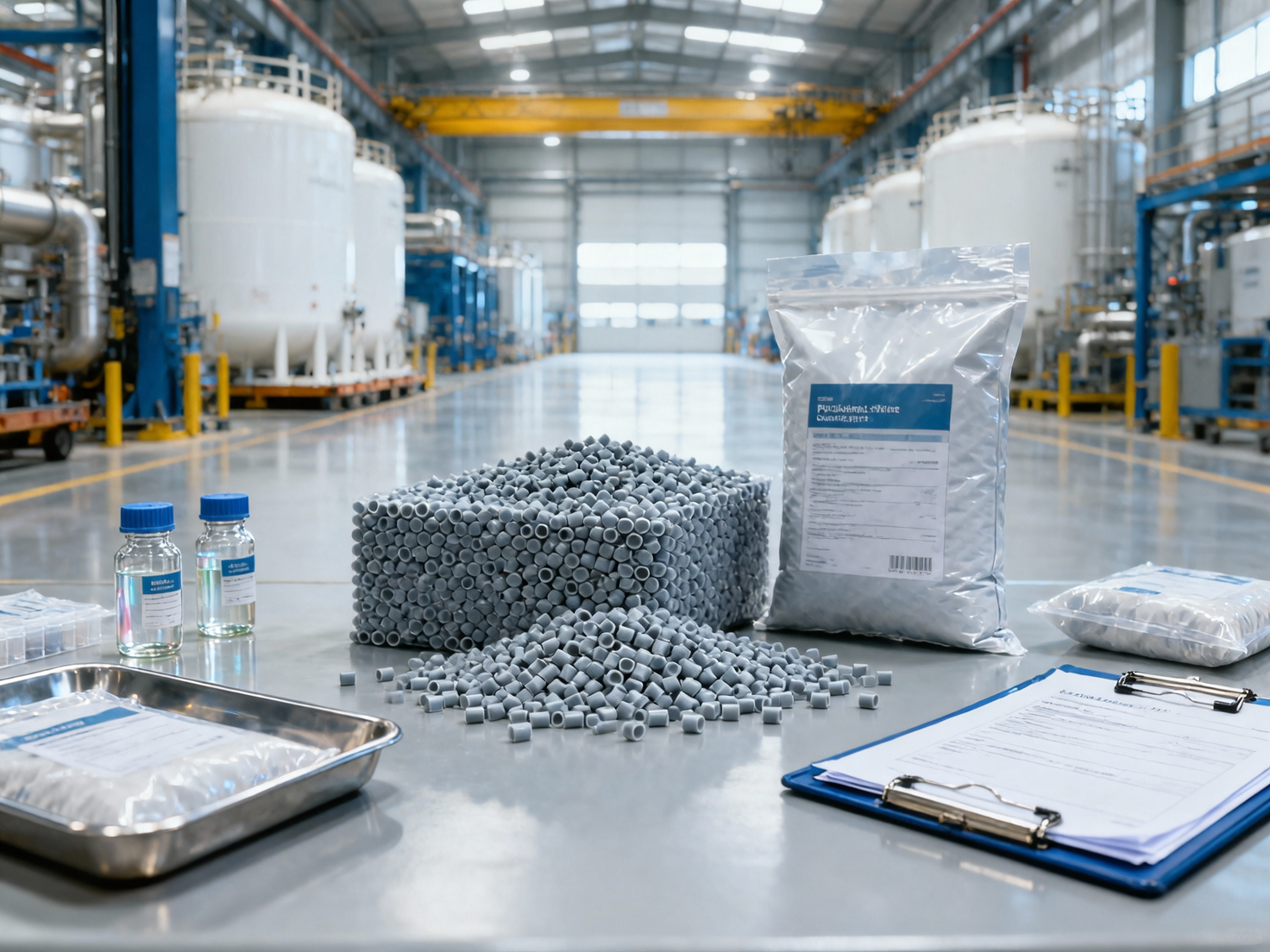
Choosing the right Polyvinyl Chloride for 2026 projects is not just about finding a competitive price. For procurement teams, distributors, and business evaluators, the better question is whether a PVC supplier can meet your required grade, compliance expectations, delivery schedule, and long-term sourcing needs without adding hidden risk. In most cases, the best choice is a supplier that combines stable quality, clear documentation, flexible trade support, and the ability to support broader chemical procurement across related categories. This article explains how to evaluate Polyvinyl Chloride more practically, so your 2026 purchasing decisions are based on application fit and business value—not price alone.
What buyers should evaluate first when choosing Polyvinyl Chloride for 2026 projects
If you are sourcing Polyvinyl Chloride for industrial, processing, or distribution purposes, the first priority is to confirm fit for use. Many purchasing problems happen because buyers compare offers before clarifying technical and commercial requirements. A low quote is not useful if the PVC grade does not match your process, local standards, or downstream customer expectations.
Start with four core checks:
- Application suitability: confirm whether the PVC is appropriate for rigid products, flexible applications, pipes, profiles, films, sheets, cables, or other end uses.
- Specification consistency: review resin properties, particle characteristics, viscosity or K-value ranges where relevant, and production consistency between batches.
- Compliance and documentation: ensure the supplier can provide the required product documentation, test reports, and export support for your destination market.
- Supply reliability: assess whether the supplier can support repeated orders, not just one successful shipment.
For 2026 projects, this first-stage evaluation matters even more because many buyers are planning longer-term procurement strategies rather than spot purchases. Market volatility, changing regulatory expectations, and tighter customer audits all make supplier screening more important than before.
How to match Polyvinyl Chloride to the actual application
Different projects require different performance priorities, so buyers should avoid treating all PVC products as interchangeable. The right Polyvinyl Chloride selection depends on how the material will be processed and what the final product must achieve.
For example, buyers may need to consider:
- Processing method: extrusion, injection molding, calendaring, or other manufacturing methods may require different resin characteristics.
- Mechanical performance: rigidity, flexibility, durability, and impact resistance can affect grade selection.
- Appearance needs: color stability, surface finish, and uniformity may matter for visible end products.
- Environmental exposure: some projects require better performance under moisture, heat, or outdoor conditions.
- Formulation compatibility: the PVC should work well with plasticizers, stabilizers, fillers, and other additives used in the customer’s process.
For information researchers and commercial evaluators, this means supplier discussions should include application context early. A supplier that asks detailed questions about end use is often better prepared to support real project outcomes than one that only sends a price sheet.
Why compliance and documentation matter more in 2026 sourcing decisions
Compliance is increasingly part of the purchasing decision, especially for importers, distributors, and companies supplying regulated industries. Even when Polyvinyl Chloride itself is a standard industrial raw material, documentation quality can directly affect customs clearance, downstream audits, and customer trust.
Before selecting a supplier, buyers should verify whether the company can provide:
- Certificate of analysis and standard product specifications
- Safety documentation and transport-related information
- Export documents aligned with destination country requirements
- Packaging and labeling support for international shipments
- Clear communication on quality standards and batch traceability
For distributors and agents, reliable documentation is not just an internal requirement—it is part of resale value. Your own customers may ask for technical files, compliance statements, and consistent product records before confirming repeated purchases.
That is why experienced chemical buyers often prefer suppliers with mature export experience and cross-border service capability, especially when building long-term supply chains.
How to compare suppliers beyond price
Price matters, but total procurement value matters more. A supplier offering a slightly lower unit price may still create higher overall cost through unstable delivery, inconsistent quality, poor communication, or incomplete paperwork.
When comparing Polyvinyl Chloride suppliers, consider these business factors:
- Batch stability: consistent material quality helps reduce production adjustment and quality complaints.
- Lead time reliability: delayed shipments can interrupt production schedules or customer delivery commitments.
- Service responsiveness: fast replies and practical problem-solving reduce sourcing friction.
- Export and trade experience: this lowers operational risk, especially in multi-country procurement.
- Packaging options: suitable packaging improves storage, handling, and distribution efficiency.
- Long-term cooperation potential: a stable partner can support cost planning and reduce supplier-switching risk.
For procurement teams, a useful method is to score suppliers using a weighted matrix. Instead of giving price 100% of the decision weight, assign points to quality consistency, compliance support, delivery performance, communication, and commercial flexibility. This produces a more realistic comparison and supports stronger internal approval.
What risks purchasers and distributors should watch for
In chemical sourcing, the most common problems usually appear after the order is placed, not during quotation review. That is why risk screening should be part of supplier selection from the beginning.
Key risks include:
- Grade mismatch: the supplied PVC does not perform as expected in the buyer’s production process.
- Inconsistent batches: quality variation creates manufacturing instability or downstream complaints.
- Weak export support: incomplete documents delay shipping or customs procedures.
- Overdependence on spot supply: short-term availability does not guarantee future continuity.
- Communication gaps: unclear technical or commercial communication increases transaction risk.
To reduce these risks, buyers should request samples when practical, confirm specifications in writing, evaluate supplier response quality, and review whether the supplier has a proven international business record. For larger 2026 projects, it is also wise to discuss forecast volume, replenishment cycles, and contingency plans before signing long-term agreements.
Why one-stop sourcing can improve procurement efficiency
For many buyers, Polyvinyl Chloride is not the only product being sourced. Procurement teams often manage multiple categories at the same time, including additives, intermediates, and application-related chemicals. In this situation, a supplier with broader chemical supply capability can create meaningful savings in time, communication effort, and coordination cost.
This is especially relevant for companies that also evaluate products such as Sodium Tripolyphosphate, Polyglutamic Acid, food additives, organic intermediates, or fertilizers across different business units or market segments. While these products serve different applications, sourcing through a capable chemical trade partner can simplify vendor management and improve purchasing efficiency.
Benefits of one-stop procurement support may include:
- Fewer supplier relationships to manage
- Lower communication and administrative costs
- Better alignment of shipping and export coordination
- Stronger negotiation efficiency across product lines
- Greater supply-chain flexibility as purchasing needs change
For distributors and commercial buyers, this broader sourcing model can also support portfolio expansion. A supplier that understands different chemical product categories may be better positioned to support future business growth, not just one current order.
How to identify a reliable chemical supply partner for 2026
A reliable Polyvinyl Chloride supplier should offer more than a product catalog. The best partners combine product quality, trade execution, communication discipline, and the ability to support long-term cooperation.
When evaluating potential partners, look for evidence of the following:
- Experience in chemical raw materials and international trade
- A stable product portfolio and clear supply capability
- Professional handling of specifications, documents, and shipment details
- Responsive communication before and after the order
- Willingness to support long-term business relationships
Luxi Chemical (Shandong) Co., Ltd. operates as a comprehensive chemical enterprise focused on chemical raw materials, chemical products, and import/export trade. With a product range covering multiple compliant chemical categories and service experience across more than 60 countries and regions, the company is positioned to support customers seeking stable quality, efficient sourcing, and practical international trade cooperation. For buyers who value both product reliability and procurement convenience, working with a supplier that can support multiple chemical categories may offer stronger long-term value than fragmented purchasing from multiple disconnected sources.
A practical checklist before you place a Polyvinyl Chloride order
Before finalizing your 2026 sourcing decision, use this checklist to improve purchasing accuracy:
- Define the exact PVC application and processing requirements
- Confirm the required grade and specification details
- Review available technical documents and compliance materials
- Check packaging, loading, and shipping arrangements
- Compare lead times and supply continuity, not just quoted price
- Assess communication speed and professionalism
- Consider whether the supplier can support broader chemical sourcing needs
- Evaluate long-term cooperation value for your business model
This approach helps information researchers build better internal reports, supports procurement personnel in supplier selection, and gives distributors a clearer way to evaluate resale and partnership potential.
Choosing Polyvinyl Chloride for 2026 projects requires a business-focused decision process. The best option is rarely the cheapest on paper. Instead, buyers should prioritize application fit, documentation quality, stable supply, and long-term procurement efficiency. For companies managing broader chemical purchasing needs, partnering with an experienced supplier that offers reliable products and one-stop sourcing support can reduce risk and improve total value. If your goal is smarter sourcing rather than short-term price comparison, a qualified chemical partner will make a measurable difference.
Related Picks
 Common PVC Buying Mistakes and How to Avoid ThemApr 20, 2026Polyvinyl chloride buying mistakes can raise cost and risk. Learn how to compare specs, suppliers, and logistics while sourcing Sodium tripolyphosphate and Polyglutamic Acid more confidently.
 Polyglutamic Acid: Who Is It Best Suited For?Apr 20, 2026Polyglutamic Acid: discover who benefits most, key B2B uses, and sourcing tips—plus smart comparisons with Sodium tripolyphosphate and Polyvinyl chloride for better buying decisions.
 Sodium Tripolyphosphate Price Risks Before You BuyApr 20, 2026Sodium tripolyphosphate price risks explained before you buy. Compare supply, compliance, and sourcing factors across Polyvinyl chloride and Polyglutamic Acid for smarter chemical purchasing.
 How to Choose Polyvinyl Chloride for 2026 ProjectsApr 20, 2026Polyvinyl chloride sourcing for 2026 starts with grade fit, compliance, and supply reliability. Discover how Sodium tripolyphosphate and Polyglutamic Acid sourcing support one-stop chemical procurement.

Question Consultation
Send Us Your Inquiry Today

Luxi Chemical is a professional chemical product supplier with ample stock of all chemical categories and excellent quality, welcome your purchase inquiry.