


Can a polyester polyol manufacturer scale up your custom grade?
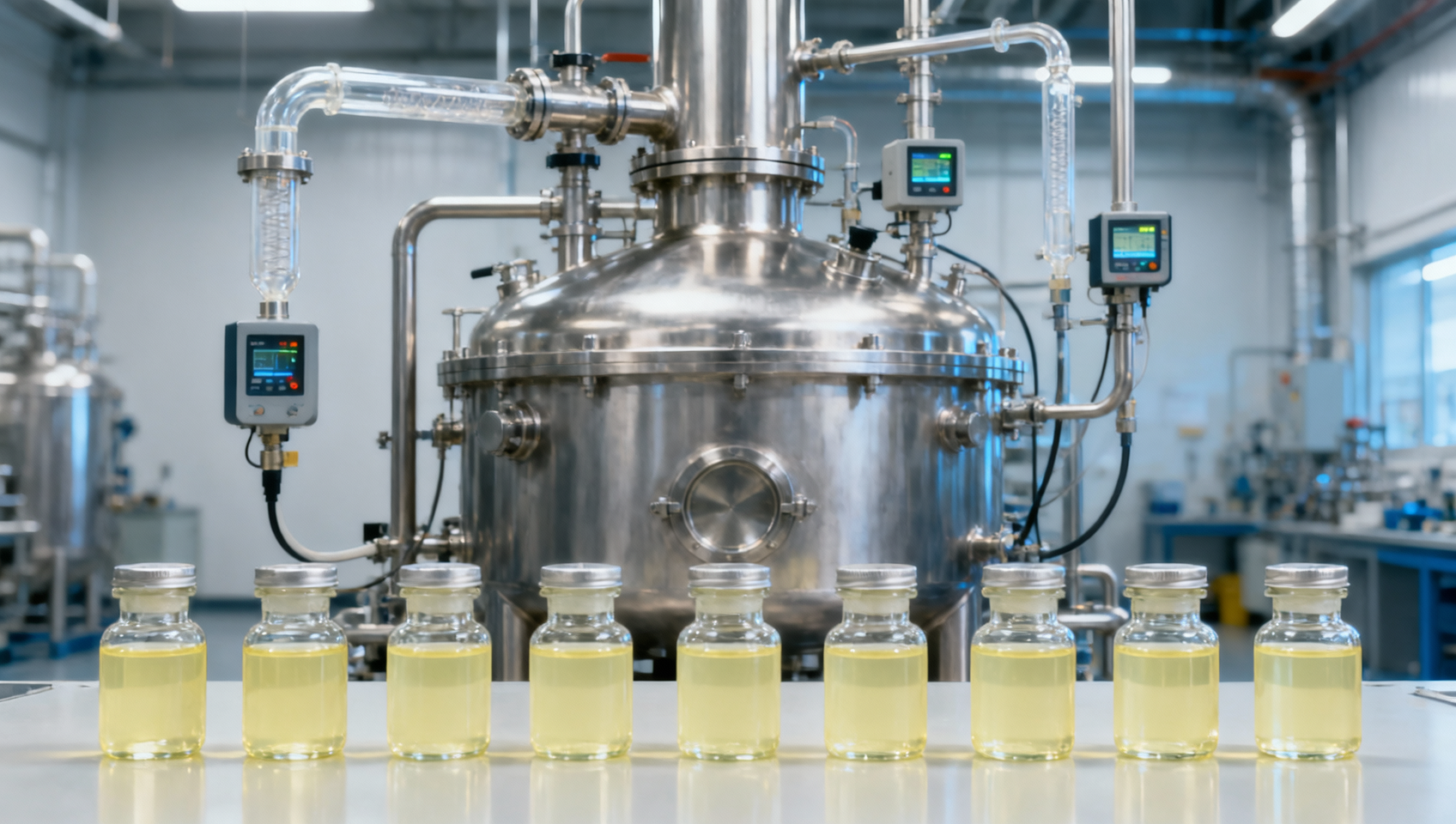
A polyester polyol manufacturer can scale up your custom grade if its production equipment, process controls, and supply arrangements can reproduce the properties that made the laboratory sample successful. A larger reactor alone does not establish that capability. The useful evidence is material from representative production batches that meets an agreed specification and performs correctly in your formulation.
Before committing to commercial supply, connect three decisions: what the material must do, how the manufacturer will reproduce it, and what happens if a batch or delivery falls outside the agreement. This approach helps prevent an approved sample from becoming a production problem when order volumes increase.
Define what must survive the move to commercial production
A custom polyester polyol should have a specification built around its intended application. Hydroxyl value, acid value, viscosity, and moisture are common starting points, but matching these properties does not automatically establish equivalence. Differences in functionality, molecular weight distribution, residual components, or crystallization behavior can still affect processing and finished-product performance.
Hydroxyl value indicates the concentration of hydroxyl groups available to react with isocyanates. It helps determine formulation proportions, but it does not describe the complete polymer structure. Two materials with similar hydroxyl values can produce different processing behavior or mechanical properties.
Acid value measures residual acidity. Depending on the polyurethane system, this can influence catalyst response, reaction behavior, and storage stability. Moisture deserves separate control because water reacts with isocyanates and can change gas generation and reaction balance. In applications where bubbles are unwanted, a small moisture shift can create visible defects.
Viscosity must be tied to a measurement temperature and method. A value measured under different conditions offers little basis for comparison. For materials that crystallize or require warming, sample conditioning also matters: the thermal history can affect the result and the material’s handling behavior.
Separate essential limits from preferences. Tightening every property without a demonstrated need can increase cost and restrict manufacturing flexibility. Acceptance ranges should reflect the variation your process can tolerate, established through formulation trials rather than copied from a single sample’s certificate.
Ask how the manufacturer will control the larger batch
For polyester polyols made by condensation, scale-up changes the relationship between vessel volume, heat transfer, mixing, and removal of reaction by-products. A laboratory procedure cannot simply be multiplied by the increase in batch weight.
Water removal is a useful example. The manufacturer must manage vapor handling, condensation, and any vacuum stage while maintaining suitable mixing as viscosity develops. If removal becomes less effective, the reaction may take longer or reach a different endpoint. Longer heating can also affect color or other properties, depending on the chemistry.
Ask the supplier to explain how it will control the temperature profile, charging sequence, agitation, vacuum conditions, and endpoint determination on the proposed production equipment. The discussion should identify what changes from the laboratory route and how those changes will be evaluated. Detailed proprietary recipes may remain confidential, but the scale-up risks and control strategy should be clear.
Endpoint control needs particular attention. Does the manufacturer use in-process measurements to determine completion? How does it handle a batch approaching a specification limit? If adjustments or reprocessing are permitted, define the conditions and the additional release testing. Routine adjustment should follow an agreed procedure with traceable records.
Also discuss equipment compatibility, cleaning, and previous production on shared vessels. Residues from another grade can affect color, reaction behavior, or impurity levels. A dedicated reactor may be unnecessary, but an effective cleaning and contamination-control procedure is part of reliable custom production.
Require evidence from the route that will supply your orders
An excellent laboratory sample proves that a formulation can work. It provides limited evidence about repeatability at commercial scale. The next sample should come from equipment and operating conditions that meaningfully represent the planned manufacturing route.
A practical approval sequence is:
- Approve the development sample. Establish the specification, reference material, and application tests.
- Evaluate a representative scale-up batch. Compare analytical results, handling behavior, and formulation performance with the approved reference.
- Validate commercial production. Review independently produced batches and trial the material under intended processing conditions.
- Authorize routine supply. Finalize release requirements, traceability, change notification, and delivery arrangements.
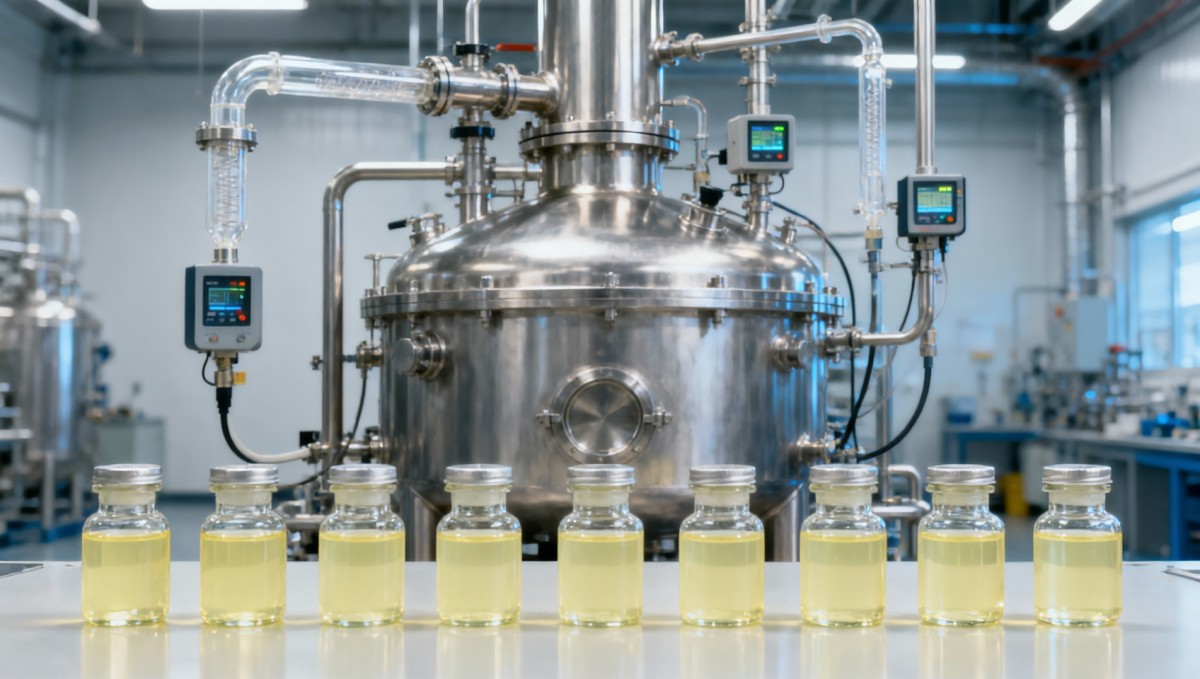
The number of batches and depth of testing should follow the consequences of failure. A sensitive adhesive system, for example, may need closer evaluation of cure development and storage behavior than an application with a wider operating window. A single successful production batch establishes feasibility; repeated production provides stronger evidence of consistency.
Request actual results from relevant batches rather than a statement that all batches passed. Where confidentiality limits access to another customer’s information, anonymized data from comparable chemistry may help assess process capability. Your own grade still needs validation.
Application testing should use the intended formulation, mixing conditions, and processing temperature. For an elastomer, this may include cure behavior and the properties relevant to service. For foam, it may include rise behavior and cell structure. Select tests around plausible failure modes rather than creating an extensive test list with little decision value.
Keep retained samples from both the supplier and receiving site. If a discrepancy appears later, these samples help distinguish a manufacturing issue from changes during transport, storage, or handling.
Confirm that the supplier is offering the right chemistry
Polyester and polyether polyols can both be used in polyurethane formulations, but they are distinct material families. A matching hydroxyl value or an overlapping application description does not make them interchangeable. Changing the polyol family can alter compatibility, processing, hydrolysis resistance, and finished-product properties.
For example, Polyether polyol CAS#9082-00-2 is described as a glycerol-initiated EO-PO copolymer with applications including polyurethane formulations and industrial emulsification. It belongs in a separate material evaluation if the formulation allows a polyether option. It does not demonstrate that a supplier can reproduce a custom polyester grade.
The same distinction applies within the polyester family. An existing standard grade may reduce development time if its chemistry and performance fit your requirements. It becomes a poor shortcut when similarity is judged only from a few headline properties. Any proposed substitute should pass the same application criteria used to approve the custom material.
Check usable capacity, feedstock continuity, and delivery conditions
Annual plant capacity says little about when your grade can be produced. Ask which equipment will make it, the practical batch size, the minimum campaign quantity, and how production slots are allocated. A custom grade may compete with established products for reactor time even when the site has substantial total capacity.
Distinguish manufacturing time from total replenishment time. Raw-material procurement, campaign scheduling, quality release, packaging, and transport all contribute to delivery. A supply plan should explain both the normal schedule and the response to an urgent repeat order.
Feedstock continuity matters because changes in acids, glycols, or other inputs can affect the finished polyol. Ask which inputs have approved alternative sources and what testing is required before substitution. An alternate feedstock is useful only if its effect on the custom grade has been assessed.
Packaging and transport should match the material’s physical behavior. Agree on suitable containers, moisture protection, temperature conditions, and receiving procedures. If warming is needed before unloading or use, the instructions should define an appropriate handling method. Excessive or uneven heating can introduce new problems.
Luxi Chemical (Shandong) Co., Ltd. provides chemical products and import/export services to customers worldwide. When evaluating a trading or procurement partner alongside a producer, clarify which organization owns the manufacturing process, releases each batch, retains samples, and provides technical support. Procurement coordination can simplify supply, while manufacturing approval still depends on evidence from the production site.
Make the commercial agreement support the technical approval
A quotation should identify the approved grade, specification revision, production location, packaging, order quantity, and delivery terms. Otherwise, the material evaluated by the technical team may differ from what purchasing can order under the final agreement.
Define change notification before routine supply begins. Changes to feedstock sources, formulation, catalysts, manufacturing site, significant equipment, or test methods may require review. The agreement should distinguish changes requiring approval from routine operating adjustments within the validated process.
Custom development also raises ownership questions. Establish who owns the formulation, what manufacturing information is confidential, and whether the grade can be transferred to another producer. These terms affect the feasibility of a future second source and should be resolved before supply dependence develops.
For nonconforming batches, agree on notification, investigation, replacement arrangements, and who can authorize any concession. Material outside the specification should enter your process only after a documented assessment of the actual deviation and its application consequences.
Compare total supply cost rather than unit price alone. Include development work, trial material, minimum orders, inventory, conditioning equipment, transport, and the consequences of interruptions. A cheaper grade that creates processing variability may cost more to use, while unnecessary specification limits can also make an otherwise suitable supply route uneconomic.
Choose according to the evidence still missing
A credible polyester polyol manufacturer can connect the specification to process controls, present a representative validation plan, and explain how commercial orders will be supported. Specific answers about equipment, batch data, feedstocks, and release procedures provide a stronger basis for selection than broad assurances about quality.
If the chemistry works but commercial repeatability remains unproven, authorize a defined scale-up trial with acceptance criteria and a limited commitment. If production batches pass but delivery capacity is unresolved, address scheduling or inventory before launch. If the material repeatedly meets analytical limits yet fails application testing, revisit the specification and chemistry before increasing volume.
Send shortlisted suppliers the approved reference, critical specification, intended application, volume forecast, packaging requirements, and launch schedule. Request a written plan naming the production route, validation work, responsible contacts, and decision points. The supplier ready for commercial scale should be able to show how an accepted sample becomes a repeatable, traceable product that arrives in usable condition.
Related Picks
 Butylated Hydroxytoluene Price Drivers: Supply, Purity, and Purchasing Risk FactorsOct 21, 2026Butylated Hydroxytoluene price trends depend on supply stability, purity, logistics, and purchasing risk. Learn how to compare quotes wisely and reduce sourcing costs.
 Sodium Tripolyphosphate Price Trends: Raw Material and Energy ExposureOct 20, 2026Explore sodium tripolyphosphate price trends, from phosphate and soda ash costs to energy exposure. Learn how to compare quotes, manage sourcing risks, and make smarter purchasing decisions.
 Acetonitrile Shipment to Vietnam Successfully Dispatched; RCEP Benefits Boost Fine Chemical Trade with ASEANSep 16, 2026A shipment of industrial-grade acetonitrile from our company has recently been loaded and dispatched following the completion of standardized hazardous material packaging and container securing procedures.
 Nigerian Client’s Order of 4 Containers of Vinyl Acetate Successfully Loaded and Shipped to West AfricaSep 16, 2026We recently completed the loading of a vinyl acetate order for a Nigerian client; four containers of the product have been successfully packed and are ready for shipment to Nigeria.




Question Consultation
Send Us Your Inquiry Today

Luxi Chemical is a professional chemical product supplier with ample stock of all chemical categories and excellent quality, welcome your purchase inquiry.

