


Fungicides for Crop Disease Management: Choosing Products by Disease Pressure
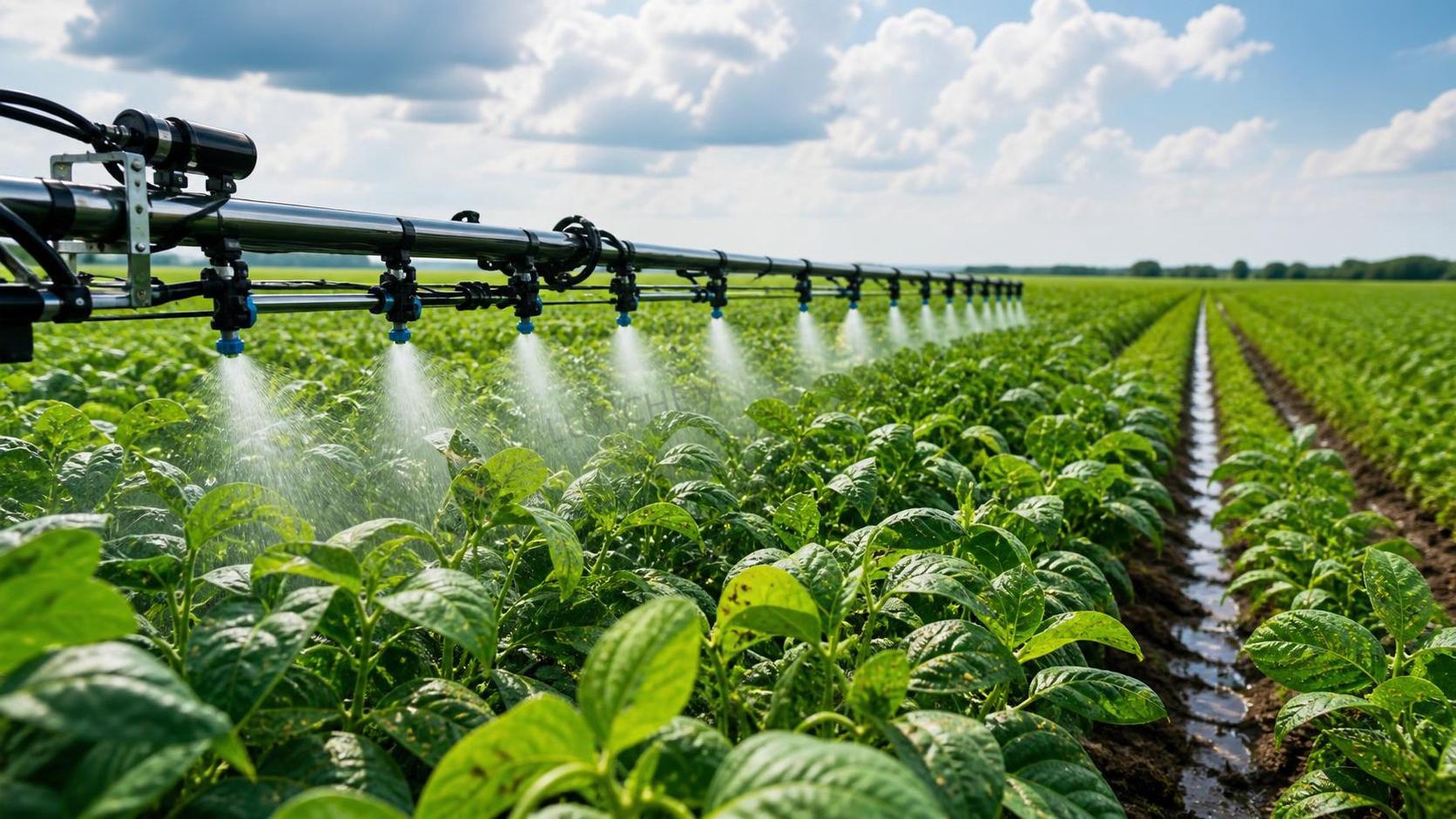
A fungicide program should change as disease pressure changes. A product that is appropriate for a preventive spray in a low-risk field may be inadequate once symptoms are established, while an aggressive curative-style response can add cost and selection pressure when the disease risk is still low. For operators, the practical question is not simply which product controls a named disease. It is whether the product, rate, timing, spray coverage, and resistance-management position fit what is happening in that field today.
Disease pressure is best understood as the combined effect of disease presence, crop susceptibility, weather, inoculum level, canopy conditions, and the likely speed of spread. A forecast alone does not determine the decision, and visible symptoms alone may arrive too late for the best preventive options. Sound crop disease management therefore starts with field observation and ends with an application plan that can be executed accurately under label directions.
Start with the pressure level, not the product label
Before selecting among Fungicides, classify the situation as low, moderate, or high pressure. This does not need to be a formal scoring system, but it should be based on evidence rather than routine calendar spraying.
Low pressure usually describes a field where the target disease has not been found or is present only in isolated areas, the crop is outside its most susceptible stage, and weather has not been consistently favorable for infection. In this situation, the purpose of treatment is prevention. A protectant or locally systemic option with an appropriate residual period may be sufficient, provided it is registered for the crop and target disease. The operator should focus on covering new growth and scheduling the next inspection before the protection interval is exhausted.
Moderate pressure occurs when weather and crop stage favor disease, nearby fields or prior crop history suggest inoculum is present, or early symptoms are found beyond a few isolated plants. This is where product selection becomes more consequential. A fungicide with strong activity against the confirmed or suspected pathogen may be needed, often chosen from a different mode-of-action group than the previous application. Coverage, interval timing, and treatment of the whole at-risk area become more important than simply increasing spray volume.
High pressure means disease is active and likely to spread quickly, crop tissue is highly susceptible, or conditions are repeatedly favorable for infection. At this point, a program should be reviewed promptly against the specific crop label. Products with activity on existing infections may have a role, but they should not be expected to restore already damaged tissue. The priority is to protect healthy tissue, slow further spread, and avoid making an application that is poorly timed, poorly covered, or incompatible with the crop stage.
A common operational error is treating all visible leaf spots, blights, mildews, and rots as a single “fungal problem.” Similar symptoms can arise from different pathogens, nutritional stress, herbicide injury, waterlogging, or bacterial disease. If diagnosis is uncertain, inspect symptom pattern, plant part affected, distribution in the field, recent weather, and disease history before choosing an active ingredient. A wrong fungicide may appear to fail when the underlying problem was never fungal or was caused by a pathogen outside the product’s effective spectrum.
Match the mode of action to the disease stage
Product selection is often discussed in terms of systemic versus contact activity. That distinction is useful, but it is not enough. Operators should also consider whether the product is intended primarily to prevent infection, suppress early disease development, protect untreated new growth, or provide residual protection under continuing pressure.
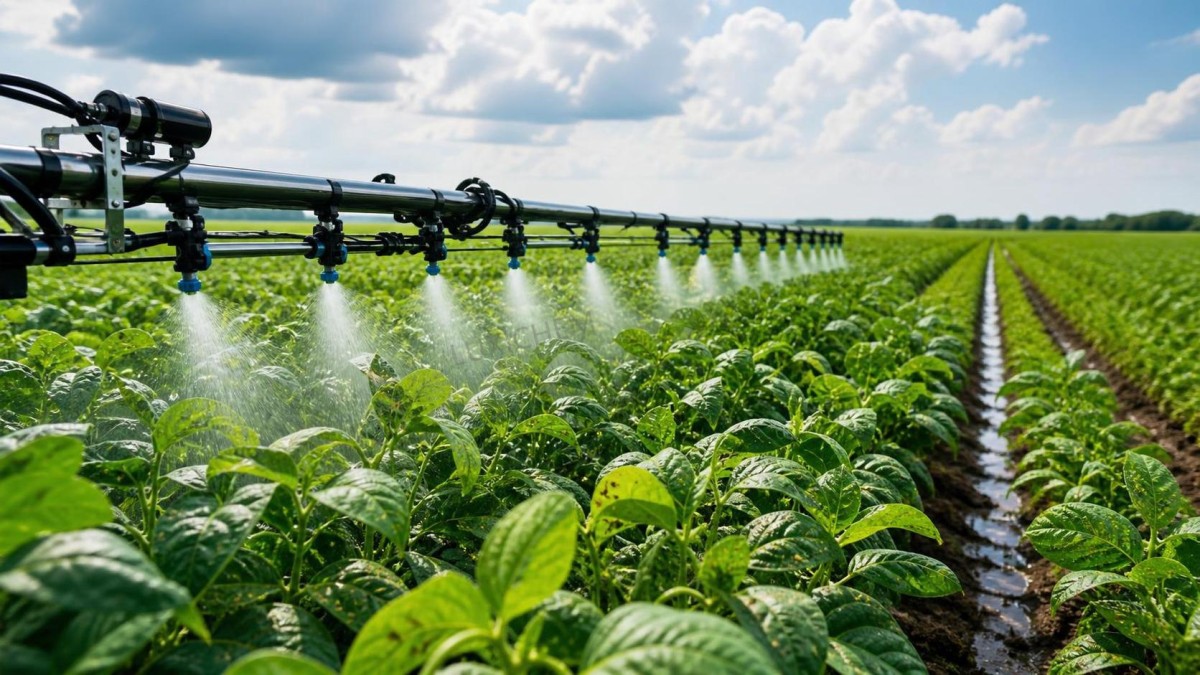
Contact protectants generally remain on the plant surface and depend heavily on uniform deposition. They can be valuable when used before infection or as part of a resistance-management program, but missed surfaces remain unprotected. Dense canopies, curled leaves, lower leaf surfaces, and fruit clusters can all reduce performance if nozzle selection, travel speed, pressure, or water volume are poorly matched to the crop.
Systemic or translaminar products may redistribute within or through plant tissue to varying degrees, but movement is not unlimited. A label description of systemic activity should not be interpreted as permission to accept poor coverage. New leaves emerging after application, tissue shielded inside a canopy, or leaves that received little spray may still need protection through correctly timed follow-up applications.
The disease stage also changes expectations. Preventive applications are made before infection becomes established or before infection periods are likely. Early intervention may suppress disease development where the label supports that use. Once lesions are extensive, a fungicide may reduce additional spread without making the crop look healthy again. Operators assessing efficacy should examine new growth and untreated disease progression rather than judging success only by whether old lesions disappear.
Resistance management is part of product selection
Repeated use of the same fungicide group can favor pathogen populations that are less sensitive to that mode of action. This risk is highest when a single-site mode of action is applied frequently, used repeatedly at reduced rates, or relied on after visible control problems begin. Switching trade names does not solve the problem when the active ingredients share the same resistance classification.
Check the label and resistance-management classification for every application. Build sequences around different effective groups, respect limits on consecutive and total applications, and use mixtures only when each active ingredient is relevant to the target disease and applied according to label directions. Adding a partner that does not control the pathogen does not create meaningful resistance protection.
Rotation should also be practical. If disease pressure will remain high through a susceptible growth stage, reserve enough effective modes of action for the full period rather than using the strongest available option repeatedly at the beginning. Where disease pressure declines, a lower-intensity protective approach may help preserve more targeted options for a later infection period. Crop residue management, resistant varieties, ventilation, irrigation timing, sanitation, and crop rotation can further reduce the number of fungicide applications needed.
Coverage and formulation can decide the outcome
Many apparent fungicide failures are application failures. The active ingredient may be suitable, but the spray does not reach the infection sites, is applied after the optimal window, or is lost through drift, runoff, or unsuitable weather. Before filling the tank, confirm nozzle condition, calibration, agitation requirements, water quality, canopy penetration, and the label’s instructions for spray volume and timing.
Adjuvants and formulation aids can affect wetting, spreading, emulsification, and dispersion. Their value depends on the product formulation, the target crop, leaf surface, application equipment, and label instructions. They should not be added automatically. A material that improves wetting may also increase uptake or crop response under hot, humid, drought-stressed, or otherwise stressful conditions. Tank-mix compatibility should be checked in the order recommended by the pesticide label, including any restrictions on oils, fertilizers, micronutrients, or other crop-protection products.
In agrochemical formulation, nonionic surfactants may be used to support dispersion and surface wetting. For example, Nonylphenol Ethoxylate CAS#9016-45-9 is a nonionic surfactant associated with wetting, emulsifying, and dispersing functions. However, operators should not treat a formulation ingredient as a universal field adjuvant. Nonylphenol ethoxylates can be subject to environmental and regulatory restrictions that vary by market and use. The registered product label, local requirements, and formulation guidance take precedence over any general assumption about surfactant performance.
Water conditions deserve similar attention. High alkalinity, excessive hardness, sediment, or incompatible pH adjustment can affect some pesticide mixtures. The correct response is not to modify every spray solution, but to follow the label and use a jar test when permitted and when a new mixture is being considered. A jar test can reveal physical incompatibility such as separation, sediment, excessive foam, or gel formation; it does not establish crop safety or biological efficacy.
Build decisions around the field, not a fixed spray calendar
A calendar can help organize scouting and labor, but it should not replace disease assessment. A useful field record captures the crop growth stage, disease symptoms, field location, recent weather, prior application date, active ingredient group, application conditions, and any visible coverage limitations. This information makes the next decision more reliable and helps distinguish disease progression from a spray-quality problem.
When pressure is low, scouting frequency may matter more than immediate treatment. When the disease risk begins to rise, shorten inspection intervals and watch the most vulnerable parts of the field. In high-risk periods, confirm that equipment capacity allows treatment within the necessary window. There is little benefit in selecting a product with a short preventive window if labor, water supply, or sprayer capacity means part of the crop will be treated too late.
Consider the following questions before committing to an application:
- Has the target disease been identified with reasonable confidence?
- Is the crop at a growth stage covered by the product label?
- Are symptoms limited, increasing, or already widespread?
- Does the product provide the type of activity needed at this point: preventive protection, early suppression, or residual coverage?
- Which resistance-management group was used previously, and what options must be preserved for later sprays?
- Can the selected equipment deliver coverage to the plant surfaces where infection is occurring?
- Do weather, irrigation, and re-entry or pre-harvest requirements allow the application to be made and managed properly?
Do not confuse more product with more control
High disease pressure can create pressure to increase rates, shorten intervals without authorization, or combine multiple products in the hope of a stronger result. These actions can increase residue, phytotoxicity, cost, operator exposure, and resistance risk without solving the underlying timing or coverage issue. Use only registered products on the labeled crop and disease, at labeled rates and intervals. Observe personal protective equipment, restricted-entry requirements, pre-harvest intervals, and disposal instructions.
Similarly, a broad-spectrum option is not automatically the best choice. A narrower product can be more appropriate when the pathogen is known, disease pressure is contained, and its mode of action fits the rotation plan. A broader approach may be justified when multiple labeled fungal diseases threaten the same crop, but only if the application is supported by diagnosis and label use directions.
For operators, the most reliable fungicide decision is usually a disciplined sequence: inspect, identify, estimate pressure, select a labeled mode of action, protect coverage, and review the result on new tissue. That sequence is more useful than relying on a product name alone, especially when disease conditions shift quickly across fields, crop stages, and weather windows.
Related Picks
 Butylated Hydroxytoluene Price Drivers: Supply, Purity, and Purchasing Risk FactorsOct 21, 2026Butylated Hydroxytoluene price trends depend on supply stability, purity, logistics, and purchasing risk. Learn how to compare quotes wisely and reduce sourcing costs.
 Sodium Tripolyphosphate Price Trends: Raw Material and Energy ExposureOct 20, 2026Explore sodium tripolyphosphate price trends, from phosphate and soda ash costs to energy exposure. Learn how to compare quotes, manage sourcing risks, and make smarter purchasing decisions.
 Acetonitrile Shipment to Vietnam Successfully Dispatched; RCEP Benefits Boost Fine Chemical Trade with ASEANSep 16, 2026A shipment of industrial-grade acetonitrile from our company has recently been loaded and dispatched following the completion of standardized hazardous material packaging and container securing procedures.
 Nigerian Client’s Order of 4 Containers of Vinyl Acetate Successfully Loaded and Shipped to West AfricaSep 16, 2026We recently completed the loading of a vinyl acetate order for a Nigerian client; four containers of the product have been successfully packed and are ready for shipment to Nigeria.




Question Consultation
Send Us Your Inquiry Today

Luxi Chemical is a professional chemical product supplier with ample stock of all chemical categories and excellent quality, welcome your purchase inquiry.

