


How to Audit a PVC Resin Manufacturer Before Signing a Long-Term Contract
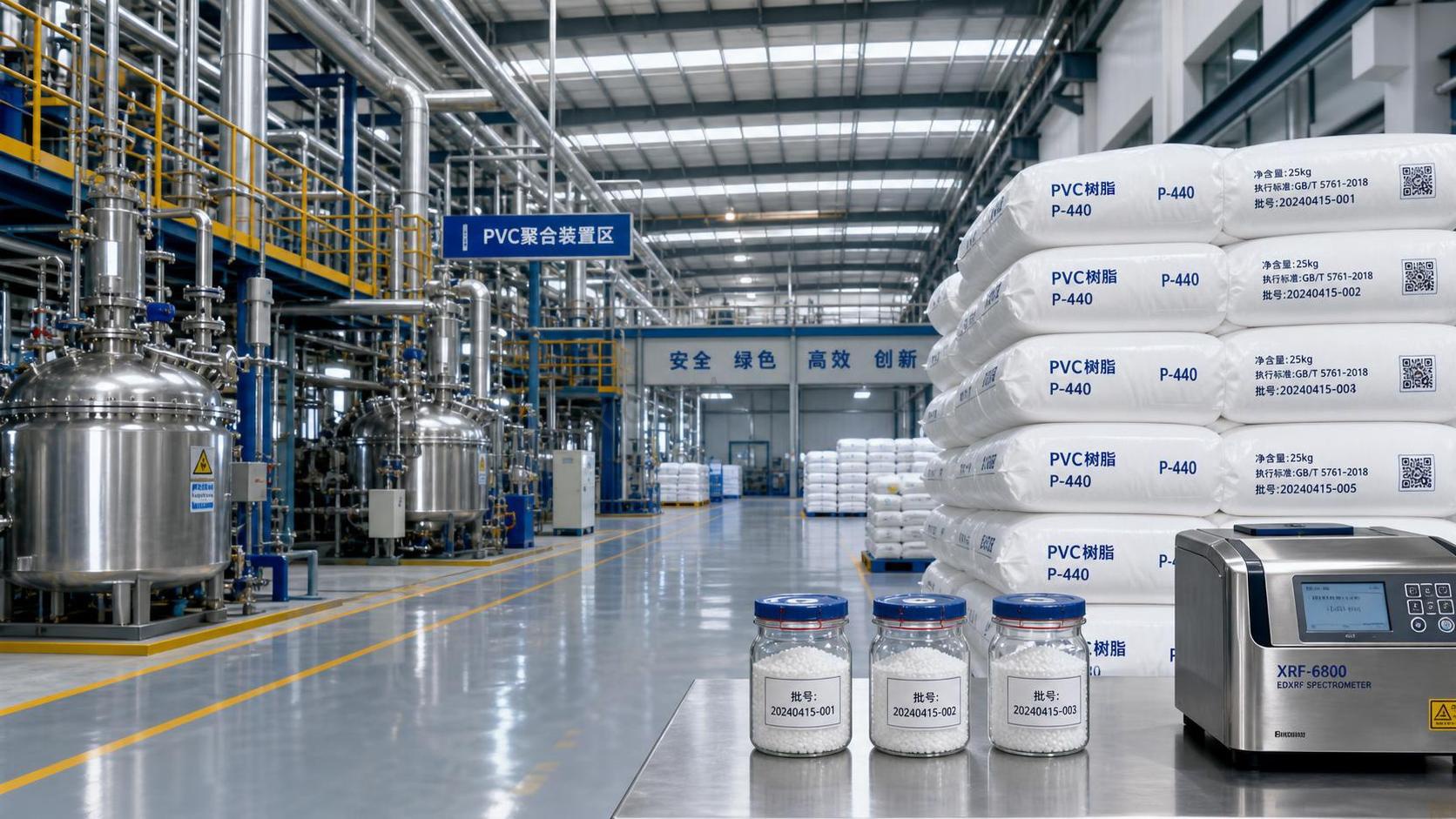
Selecting a reliable pvc resin manufacturer is a high-impact decision for procurement and business evaluation teams considering multi-year supply agreements.
The central question is not whether a supplier can provide resin today, but whether it can deliver conforming material consistently through disruptions, market cycles, and regulatory changes.
A credible audit combines document review, site verification, technical testing, commercial analysis, and reference checks into one evidence-based supplier qualification process.
Buyers should prioritize controllable risk factors, including quality stability, feedstock security, compliance, logistics resilience, financial capacity, and dispute-handling discipline before negotiating contract volume or price.
Start With a Risk-Based Supplier Screening Framework
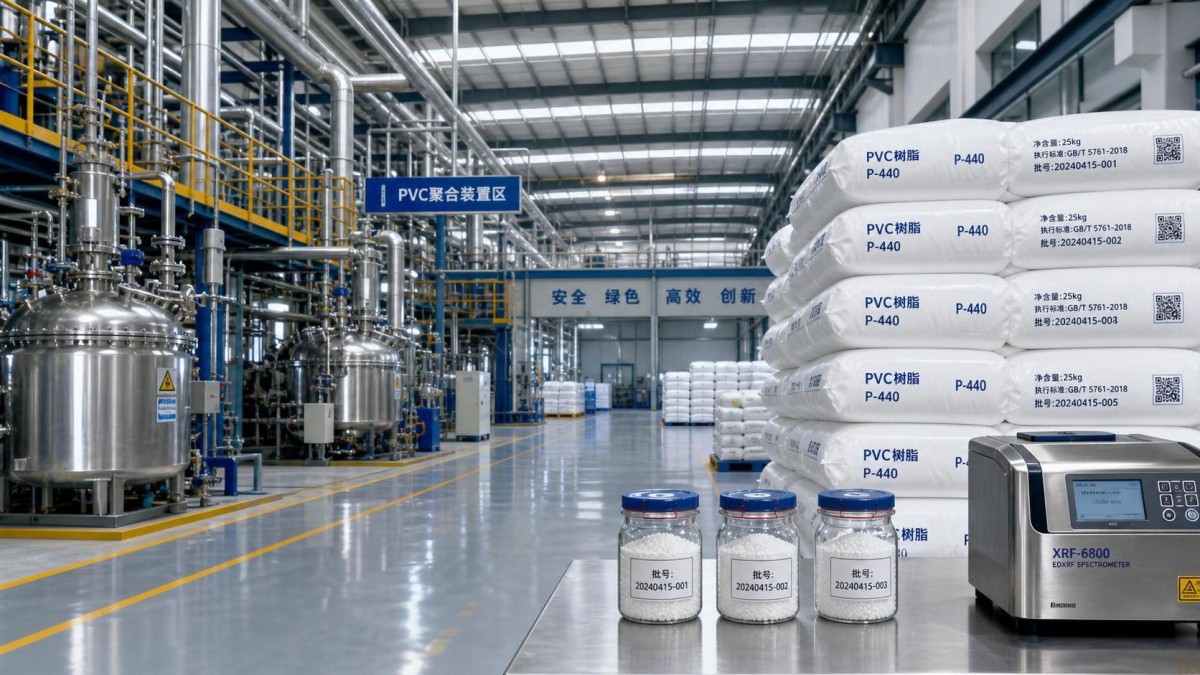
Before arranging a factory audit, define which supply failures would create the greatest operational, financial, or reputational impact for your organization.
For PVC processors, the most serious risks usually include unstable K value, contamination, inconsistent bulk density, late shipments, unavailable documentation, and sudden capacity allocation changes.
Build a weighted scorecard that distinguishes mandatory requirements from preferred characteristics. This prevents a low quoted price from obscuring serious long-term supply weaknesses.
Mandatory criteria should include legal registration, product conformity, quality-system evidence, export eligibility, traceability, acceptable payment risk, and adequate production capacity for contracted demand.
Preferred criteria may include technical support, flexible packaging, local warehousing, multilingual communication, sustainable sourcing information, and demonstrated experience serving comparable overseas customers.
Ask the pvc resin manufacturer to provide supporting records before the visit. Early document review saves travel cost and reveals whether management controls are formal or improvised.
Useful initial documents include company registration certificates, product specifications, recent certificates of analysis, factory certifications, safety data sheets, export records, and organization charts.
Also request a three-year production and sales overview. Compare annual output, domestic sales, export volume, major destination markets, and reported capacity utilization.
A supplier operating near full utilization may struggle to protect contractual customers during peak demand. Excess capacity, however, should be tested for commercial sustainability.
Verify Manufacturing Capability Beyond Nameplate Capacity
Nameplate capacity is only a starting point. Auditors need to understand actual operating output, maintenance practices, product grades, and the reliability of critical production equipment.
During the site visit, ask for production records covering several months rather than accepting a single-day demonstration arranged specifically for visitors.
Compare stated annual capacity with monthly production, downtime, sales shipments, inventory changes, and maintenance schedules. Large unexplained differences require further investigation.
PVC resin production depends on integrated control of vinyl chloride monomer supply, polymerization conditions, stripping, drying, screening, storage, and packaging operations.
Inspect whether process equipment appears adequately maintained and whether operators can explain key control points, alarm procedures, deviations, and product-release responsibilities.
Ask how the manufacturer manages planned shutdowns, unplanned outages, utility interruptions, and shortages of VCM, ethylene, chlorine, power, steam, or additives.
A strong supplier will provide a documented business continuity plan, backup sourcing arrangements, outage communication procedures, and practical allocations for contracted customers.
Review the relationship between the plant and its feedstock sources. Captive or long-term feedstock arrangements can improve reliability, but concentration risk still matters.
Where feedstocks are externally purchased, assess supplier diversification, contractual protections, transport exposure, regional infrastructure constraints, and historical supply interruption records.
Do not assume that a large plant guarantees stable supply. Maintenance quality, utility dependence, working capital, and customer allocation policies often determine actual reliability.
Test Product Consistency, Not Just Sample Compliance
A laboratory sample can meet specification while routine production remains variable. Long-term buyers need evidence that the resin performs consistently across batches and seasons.
Request certificates of analysis from multiple lots produced over at least six months. Include different production lines, shipment destinations, and periods following maintenance activity.
Review key properties relevant to the intended application, such as K value, apparent bulk density, volatile matter, particle size, fish eyes, impurities, and residual VCM.
For suspension PVC, variation in porosity and plasticizer absorption can materially affect compounding behavior, processing efficiency, energy consumption, surface finish, and final-product performance.
Ask for the manufacturer’s internal control limits, not merely customer-facing specification ranges. Narrow internal limits generally indicate stronger process discipline and earlier corrective intervention.
Confirm how nonconforming material is identified, quarantined, reprocessed, downgraded, or destroyed. Weak segregation controls increase the possibility of accidental shipment.
Witness sampling procedures where possible. Samples should be traceable to production lots, handled under documented methods, sealed appropriately, and available for independent verification.
Arrange third-party testing for initial qualification and periodically thereafter. The selected laboratory should be competent for PVC-related analyses and independent from the supplier’s commercial interests.
Run plant trials using representative lots rather than a specially selected sample. Record extrusion, calendering, molding, or compounding results against your normal acceptance criteria.
For buyers sourcing several chemical categories, a supplier’s broader portfolio may simplify vendor management. Evaluate cross-category quality systems independently, including products such as Resin epoxy CAS#24969-06-0.
Audit the Quality Management System on the Factory Floor
Certificates such as ISO 9001 are useful signals, but they do not replace a practical examination of how quality decisions are made during routine operations.
Follow the material flow from incoming feedstocks to finished bags. At each stage, identify sampling points, testing frequency, acceptance limits, release authority, and record retention.
Inspect calibration labels on laboratory instruments and ask to see calibration schedules, maintenance logs, out-of-tolerance investigations, and corrective actions for critical equipment.
Review recent customer complaints in anonymized form. Pay attention to recurring issues, response time, root-cause analysis, corrective actions, and verification of effectiveness.
A mature pvc resin manufacturer should distinguish between process deviations, product defects, transport damage, documentation errors, and customer handling issues in its complaint records.
Check lot traceability by selecting a finished-product batch and tracing it backward through packaging, warehouse location, production records, laboratory results, and feedstock information.
Traceability should work in both directions. The supplier must be able to identify every customer shipment affected by a potential quality or compliance issue.
Evaluate warehouse conditions carefully. Damaged bags, unclear labels, mixed lots, excessive dust, moisture exposure, or poor stock rotation can compromise otherwise acceptable material.
Ask whether release testing is performed before shipment and whether quality personnel can block dispatch. Commercial departments should not override documented quality holds without formal escalation.
Confirm Regulatory, Safety, and Export Compliance
Compliance risk can stop shipments even when product quality is acceptable. Audit the supplier’s ability to support the regulatory requirements of your destination markets.
Request current safety data sheets, technical data sheets, certificates of analysis, transport classifications, country-of-origin records, and declarations required by your application or jurisdiction.
For PVC resin, residual vinyl chloride monomer control deserves particular attention. Confirm relevant test methods, reporting units, routine frequency, and maximum permitted values.
Ask how the supplier tracks changing rules on chemical registration, restricted substances, food-contact applications, packaging, customs declarations, and sanctions screening where applicable.
For food, medical, child-care, or consumer-sensitive uses, do not rely on generic statements. Obtain application-specific declarations supported by testing and controlled change procedures.
Inspect environmental and occupational safety practices during the factory visit. Serious deficiencies can indicate operational instability, enforcement exposure, insurance risk, and weak management accountability.
Review permits, emissions monitoring, hazardous-material storage, emergency response planning, worker training, and incident reporting. Confirm that documents match visible site conditions.
Export competence should be verified through shipment evidence. Ask for anonymized bills of lading, packing lists, customs records, container-loading procedures, and destination-market experience.
A supplier serving many countries may have useful logistics experience, but audit the specific regions, incoterms, documents, and shipment modes relevant to your planned contract.
Evaluate Commercial Strength and Contract Execution Discipline
A technically capable producer can still become a weak long-term partner if it lacks financial resilience, disciplined order management, or transparent commercial governance.
Request audited financial statements where feasible, or review credit reports, banking references, payment history, litigation records, ownership structure, and debt exposure.
Assess whether the supplier has sufficient working capital to purchase feedstocks, maintain inventories, manage receivables, and absorb temporary price or currency volatility.
Understand how pricing is set. PVC prices may move with energy, chlorine, ethylene, VCM, freight, currency, and regional demand conditions.
Long-term contracts should specify a transparent pricing mechanism, review frequency, benchmark sources, adjustment triggers, currency treatment, and a documented dispute-resolution process.
Clarify minimum and maximum volume commitments, forecast windows, allocation rules, lead times, packaging standards, shipment tolerances, and consequences for missed delivery obligations.
Demand clear procedures for material claims. The contract should define notification periods, sample retention, independent testing, investigation timelines, replacement obligations, and credit-note rules.
Service responsiveness is measurable. During qualification, monitor how quickly the supplier answers technical questions, provides revised documents, addresses discrepancies, and escalates urgent matters.
Reference checks should include customers with comparable contract volumes and export destinations. Ask specifically about consistency, communication, claims, documentation, and delivery recovery after disruptions.
Turn Audit Findings Into a Defensible Contract Decision
Do not reduce the audit to a pass-or-fail checklist. A useful evaluation separates manageable gaps from risks that threaten supply continuity or product suitability.
Classify findings as critical, major, minor, or improvement opportunities. Critical findings should prevent approval until independently verified corrective actions are complete.
Major findings may be acceptable only with time-bound corrective plans, accountable owners, documented evidence, and contractual protections that limit buyer exposure.
Score each supplier across quality, capacity, compliance, logistics, financial health, commercial discipline, technical support, and strategic fit with your sourcing requirements.
Use cross-functional approval. Procurement, quality, technical operations, legal, finance, logistics, and sustainability teams often identify different risks that a single evaluator may miss.
Where strategic dependence is high, avoid relying on one source without contingency planning. Qualify an alternative pvc resin manufacturer or maintain safety stock for critical grades.
Contract terms should reflect audit results. Strong suppliers may earn longer commitments, while conditional approvals should include shorter terms, performance reviews, and exit rights.
Schedule periodic reassessments after contract award. Supplier performance can change following ownership changes, expansions, feedstock disruptions, new export restrictions, or financial pressure.
Track objective supplier KPIs, including on-time delivery, accepted-lot rate, claim frequency, corrective-action closure, documentation accuracy, response time, and shipment variance.
Conclusion: Audit for Evidence, Then Contract for Accountability
The best long-term supplier is not simply the lowest-cost option or the producer with the largest reported capacity. It is the partner with verifiable control.
A rigorous audit should prove that the manufacturer can repeatedly produce compliant PVC resin, manage disruptions, support export requirements, and resolve problems transparently.
For business evaluation teams, evidence from records, factory observations, independent testing, customer references, and financial review should outweigh sales presentations and broad assurances.
When audit findings are translated into measurable contract obligations, buyers gain stronger supply continuity, clearer accountability, and a more sustainable PVC resin sourcing strategy.
Related Picks
 Butylated Hydroxytoluene Price Drivers: Supply, Purity, and Purchasing Risk FactorsOct 21, 2026Butylated Hydroxytoluene price trends depend on supply stability, purity, logistics, and purchasing risk. Learn how to compare quotes wisely and reduce sourcing costs.
 Sodium Tripolyphosphate Price Trends: Raw Material and Energy ExposureOct 20, 2026Explore sodium tripolyphosphate price trends, from phosphate and soda ash costs to energy exposure. Learn how to compare quotes, manage sourcing risks, and make smarter purchasing decisions.
 Acetonitrile Shipment to Vietnam Successfully Dispatched; RCEP Benefits Boost Fine Chemical Trade with ASEANSep 16, 2026A shipment of industrial-grade acetonitrile from our company has recently been loaded and dispatched following the completion of standardized hazardous material packaging and container securing procedures.
 Nigerian Client’s Order of 4 Containers of Vinyl Acetate Successfully Loaded and Shipped to West AfricaSep 16, 2026We recently completed the loading of a vinyl acetate order for a Nigerian client; four containers of the product have been successfully packed and are ready for shipment to Nigeria.




Question Consultation
Send Us Your Inquiry Today

Luxi Chemical is a professional chemical product supplier with ample stock of all chemical categories and excellent quality, welcome your purchase inquiry.

