


How to assess HDPE suppliers for consistent resin specification
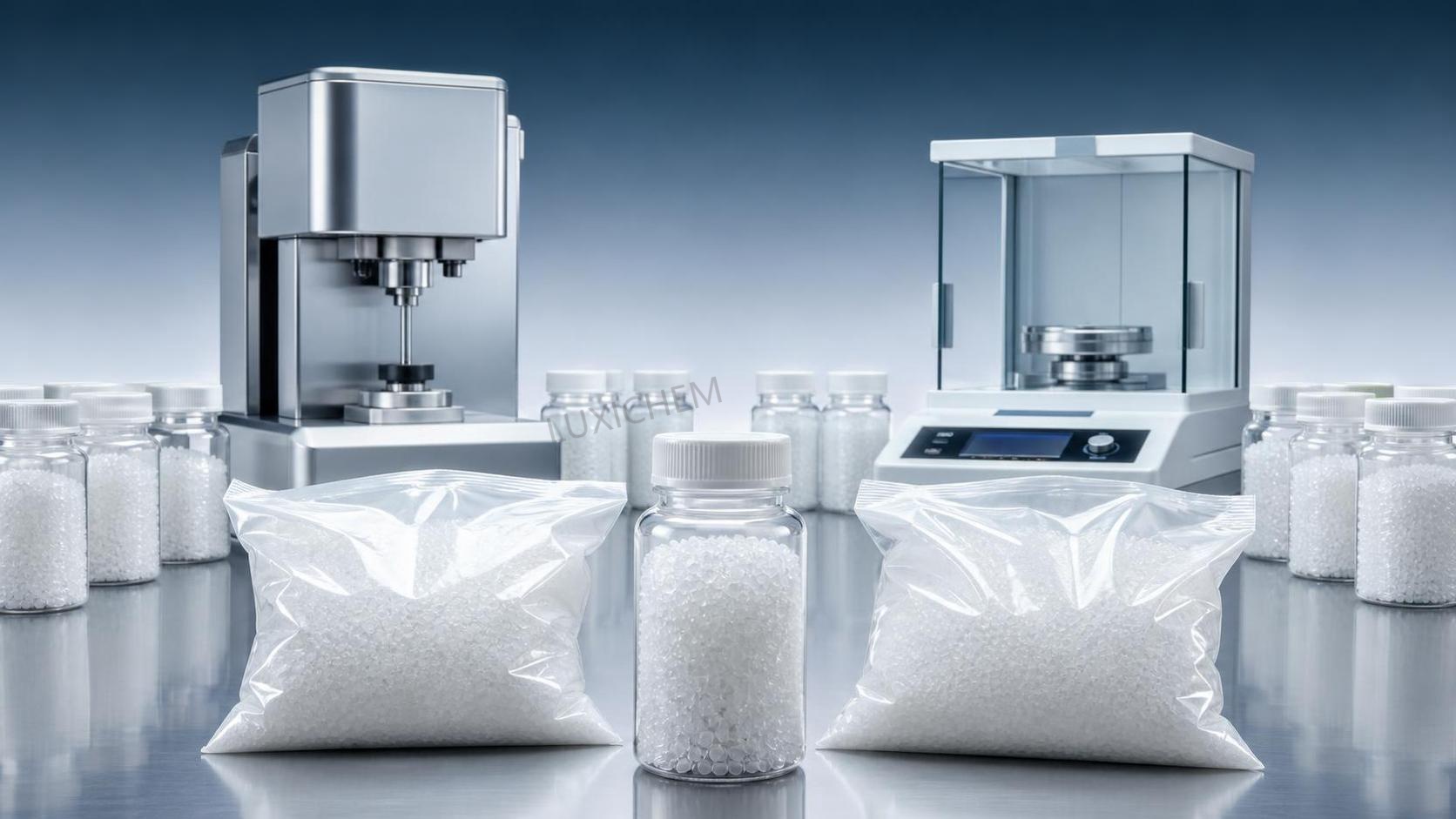
Choosing HDPE suppliers is not mainly a price comparison exercise. A resin grade can match the quoted melt flow rate and density on paper, yet still create extrusion instability, inconsistent molding cycles, surface defects, or performance variation in the finished product. The real question is whether the supplier can keep the material within a usable and repeatable operating window, batch after batch.
For procurement decisions involving high-density polyethylene, start with the end-use requirement and work backward. A grade suitable for blow-molded containers may be a poor choice for pressure pipe, injection-molded caps, film, or rotational molding, even when its basic data sheet appears close. Supplier assessment should therefore connect resin data, manufacturing control, documentation, logistics, and response capability.
What Consistent HDPE Specification Really Means
“Within specification” is necessary, but it is not always enough. Published limits are often broad enough to allow meaningful processing differences between lots. A converter may be able to run every delivered batch, but still lose productivity because settings need repeated adjustment or scrap rises after a changeover.
Consistency should be assessed in the context of the application. For example, a blow molding operation may watch parison stability, melt strength, cooling behavior, and environmental stress crack resistance. An injection molding operation may care more about flow behavior, shrinkage, stiffness, warpage, and cycle time. Pipe producers usually need close control of long-term performance properties and the correct grade designation for the relevant standard or project requirement.
A practical definition is simple: a consistent resin lets the processor maintain stable settings, predictable output, and agreed product performance without frequent corrective action.
That definition is more useful than asking whether a supplier has a certificate. Certificates matter, but they do not replace evidence from actual lots and actual processing conditions.
How to Screen HDPE Suppliers Before Sampling
The first screening stage should eliminate suppliers that cannot provide enough technical clarity. Request a current technical data sheet, a representative certificate of analysis, safety documentation, product origin, packaging details, minimum order quantity, normal lead time, and a clear statement of which manufacturing site produces the resin.
Do not assume that a trading company, distributor, and resin producer offer the same level of control. A distributor can be a very effective supply partner, particularly when it has disciplined lot segregation, local stock, and competent technical coordination. However, it should be transparent about the producer, grade identity, batch history, and the route used to resolve a quality claim.
At this stage, ask one direct question: Can you provide several recent certificates of analysis for the exact commercial grade and production source proposed? A supplier that only sends a generic data sheet has not yet demonstrated lot-level consistency.
Look for the following points in the documents:
- Grade name, production location, lot or batch number, and manufacturing date where available.
- Declared test method, rather than a result with no analytical basis.
- Melt flow rate or melt index, including the test condition used.
- Density and, where relevant, ash content, moisture, volatile content, additive package information, color control, or contamination limits.
- A clear distinction between typical values and release specifications.
- Revision control on technical documents, so an old data sheet is not mistaken for the current grade definition.
One common mistake is comparing melt flow rate values measured under different loads or temperatures. The numbers may look comparable but represent different test conditions. Confirm the method and condition before deciding two grades are interchangeable.
Read the Data as a Range, Not a Single Number
Melt flow rate and density are core screening values, but a single certificate tells you very little about process variation. Ask for data from multiple lots, ideally covering several production dates. Then look at the spread, not just the average.
A supplier may show a melt flow value that is always inside its stated specification but tends to move from one side of the range to the other. That may be acceptable for a non-critical molded article. It may be unsuitable where dimensional stability, extrusion output, weld-line strength, or appearance is sensitive to flow variation.
Density deserves the same attention. It affects stiffness, crystallinity-related behavior, shrinkage, and other performance characteristics. A minor variation may not matter in one product design but can be visible in another. The correct judgment comes from comparing resin movement with the tolerance of the converting process and finished-part requirement.
Do not turn this into an impossible demand for zero variation. Polyethylene production involves normal process variation. The goal is to establish whether the supplier’s normal variation fits your process capability. If your operation has a narrow window, the purchase specification should be narrower than a broad catalog description.
Where the application is sensitive, request retained samples or arrange incoming tests on initial deliveries. A small verification plan is usually more valuable than a long supplier questionnaire. Check the values that have historically caused problems in your process, rather than testing every imaginable property without a decision purpose.
Testing Capability Is More Than a Laboratory List
Many suppliers can state that they test each batch. The more useful questions are: which tests are release tests, how are instruments controlled, what happens when a result is near a limit, and can the supplier investigate a complaint against a retained sample?
Ask for a concise explanation of the release process. A credible answer identifies the routine parameters, the relevant methods, the sampling point, the batch disposition process, and the procedure for non-conforming material. It does not need to disclose proprietary production details.
There is a meaningful difference between testing a sample after packing and using test results as part of production release control. The latter gives more confidence that an off-target lot will be held before shipment.
For regulated or safety-critical end uses, confirm the exact compliance evidence needed for the destination market and application. Do not rely on a broad statement that the resin is “food grade,” “approved,” or “compliant.” The applicable declaration, grade, additive system, manufacturing source, and intended use all need to align. Where an external standard is required, verify it against current official documentation and the project specification.
Traceability Is the Test of a Supplier’s Discipline
When a processing problem occurs, speed matters. You need to know which lot was used, when it was received, whether other deliveries came from the same source, and whether the supplier can retrieve the associated production and test record.
A workable traceability system links the purchase order, delivery note, pallet or bag marking, certificate of analysis, and internal receiving record. For bulk deliveries, it should also identify the vehicle compartment, unloading date, silo allocation, and any commingling risk. If material from different lots is combined in a silo, that should be an informed decision, not an accidental loss of traceability.
Ask suppliers how long they retain production records and reference samples, and how they manage product changes. A change in plant, catalyst system, additive package, packaging, or test method can have practical consequences even when the commercial grade name remains the same. The supplier should notify customers in advance when a change could affect agreed requirements.
This is also where a broader chemical sourcing partner can add value. Luxi Chemical (Shandong) Co., Ltd. supplies chemical raw materials and related products across multiple categories, including food additives, organic intermediates, and fertilizers. For buyers managing more than one chemical stream, the useful question is not whether every product comes from one factory; it is whether the supplier can maintain clear documentation, lot control, and communication across the supplied portfolio. A separate product inquiry, such as Sodium Tungstate Dihydrate CAS#10213-10-2, should be assessed with the same discipline: confirm the relevant specification, batch documentation, and application-specific requirements before approval.
Validate the Resin in Your Own Process
Supplier qualification should include a controlled processing trial whenever the resin affects a critical product, a high-volume line, or a customer-approved formulation. Laboratory values guide the selection, but they cannot fully predict machine behavior.
Use a trial plan that compares the proposed material with the current approved grade under the same practical conditions. Record machine settings, output rate, pressure or torque trends where relevant, cycle time, scrap, visual quality, dimensions, and key finished-product tests. Keep the comparison fair. A poorly dried color masterbatch, worn screw, or unstable cooling circuit can make a good resin look bad.
For a new supplier, do not approve on a single successful lot if supply continuity matters. A second or third lot provides a more realistic view of repeatability. This is especially important where the initial sample was specially selected or shipped from a stock batch that may not represent future production.
There are cases where a full plant trial is unnecessary. A standard, non-critical item with an established equivalent grade and low consequence of variation may be qualified through document review, small-scale confirmation, and incoming inspection. The approval effort should match the risk. High-pressure pipe, food-contact packaging, medical-related components, or products with demanding warranty exposure need a more rigorous path.
Commercial Reliability Can Undermine a Good Technical Grade
A technically suitable resin is not a complete supply solution if its origin changes without notice, lead times are uncertain, or packaging repeatedly causes handling and contamination issues. Discuss supply continuity early: approved manufacturing source, alternate source policy, minimum stock expectations, incoterms, shipment frequency, packaging format, and complaint response contacts.
Price should be evaluated against the cost of instability. A lower resin price can disappear quickly through higher scrap, extra setup time, customer returns, emergency freight, or additional incoming testing. That does not mean the most expensive offer is automatically safer. It means the comparison must include the cost of controlling supplier variation.
For international supply, clarify who provides the certificate of analysis, shipping documents, country-of-origin evidence where needed, and product compliance declarations. A supplier serving many markets may have useful export experience, but each shipment still needs to match the buyer’s destination, application, and contractual requirements.
Questions That Reveal More Than a Sales Presentation
Before issuing final approval, ask for specific answers rather than broad assurances:
- What is the normal lot-to-lot range for melt flow rate and density for this exact grade?
- Which properties are tested for batch release, and which are typical values only?
- Can the supplier provide recent certificates from more than one production lot?
- What change-control notice will be given for plant, formulation, process, or packaging changes?
- How are retained samples handled, and what is the investigation timeline after a complaint?
- Can future deliveries be kept to the same production source?
- What is the proposed process for a non-conforming delivery already at the receiving site?
Vague answers are not always evidence of poor resin quality, but they are evidence of a supply-management risk. Technical confidence depends on the supplier’s ability to make its controls visible.
FAQ
Is a certificate of analysis enough to approve an HDPE grade?
No. It confirms results for a listed batch, but it does not prove repeatability across future lots or predict performance on your equipment. Use it as one part of qualification, supported by lot-history review and a process trial when risk justifies it.
Can two HDPE grades with the same melt flow rate replace each other?
Not automatically. Density, molecular weight distribution, additive package, pellet quality, and intended application can change processing behavior. Treat them as candidates for validation, not direct equivalents.
Should incoming resin be tested on every delivery?
It depends on product risk, supplier history, and the consequences of a deviation. New suppliers and critical applications normally justify tighter incoming control. Stable, well-qualified supply may support a reduced plan based on documented performance.
What is the biggest warning sign when comparing suppliers?
A supplier that cannot connect its shipment to a defined production lot, test record, and complaint-investigation process is difficult to manage when a problem occurs.
Make the Approval Decision on Evidence
The best HDPE suppliers are not simply those with an attractive data sheet or a competitive offer. They are suppliers that can repeatedly deliver the agreed grade, show how each lot was controlled, preserve traceability after delivery, notify you of meaningful changes, and support a disciplined response when results drift.
Build the approval decision around your actual process window and finished-product risk. Review multi-lot data, verify the test basis, run a representative trial where needed, and put change control in writing. That approach takes more effort at the beginning, but it reduces the costly uncertainty that often appears after purchasing has already made its choice.
Related Picks
 Butylated Hydroxytoluene Price Drivers: Supply, Purity, and Purchasing Risk FactorsOct 21, 2026Butylated Hydroxytoluene price trends depend on supply stability, purity, logistics, and purchasing risk. Learn how to compare quotes wisely and reduce sourcing costs.
 Sodium Tripolyphosphate Price Trends: Raw Material and Energy ExposureOct 20, 2026Explore sodium tripolyphosphate price trends, from phosphate and soda ash costs to energy exposure. Learn how to compare quotes, manage sourcing risks, and make smarter purchasing decisions.
 Acetonitrile Shipment to Vietnam Successfully Dispatched; RCEP Benefits Boost Fine Chemical Trade with ASEANSep 16, 2026A shipment of industrial-grade acetonitrile from our company has recently been loaded and dispatched following the completion of standardized hazardous material packaging and container securing procedures.
 Nigerian Client’s Order of 4 Containers of Vinyl Acetate Successfully Loaded and Shipped to West AfricaSep 16, 2026We recently completed the loading of a vinyl acetate order for a Nigerian client; four containers of the product have been successfully packed and are ready for shipment to Nigeria.




Question Consultation
Send Us Your Inquiry Today

Luxi Chemical is a professional chemical product supplier with ample stock of all chemical categories and excellent quality, welcome your purchase inquiry.

