


Taurine Powder Price: What Purity, Order Size, and Packaging Add to Cost
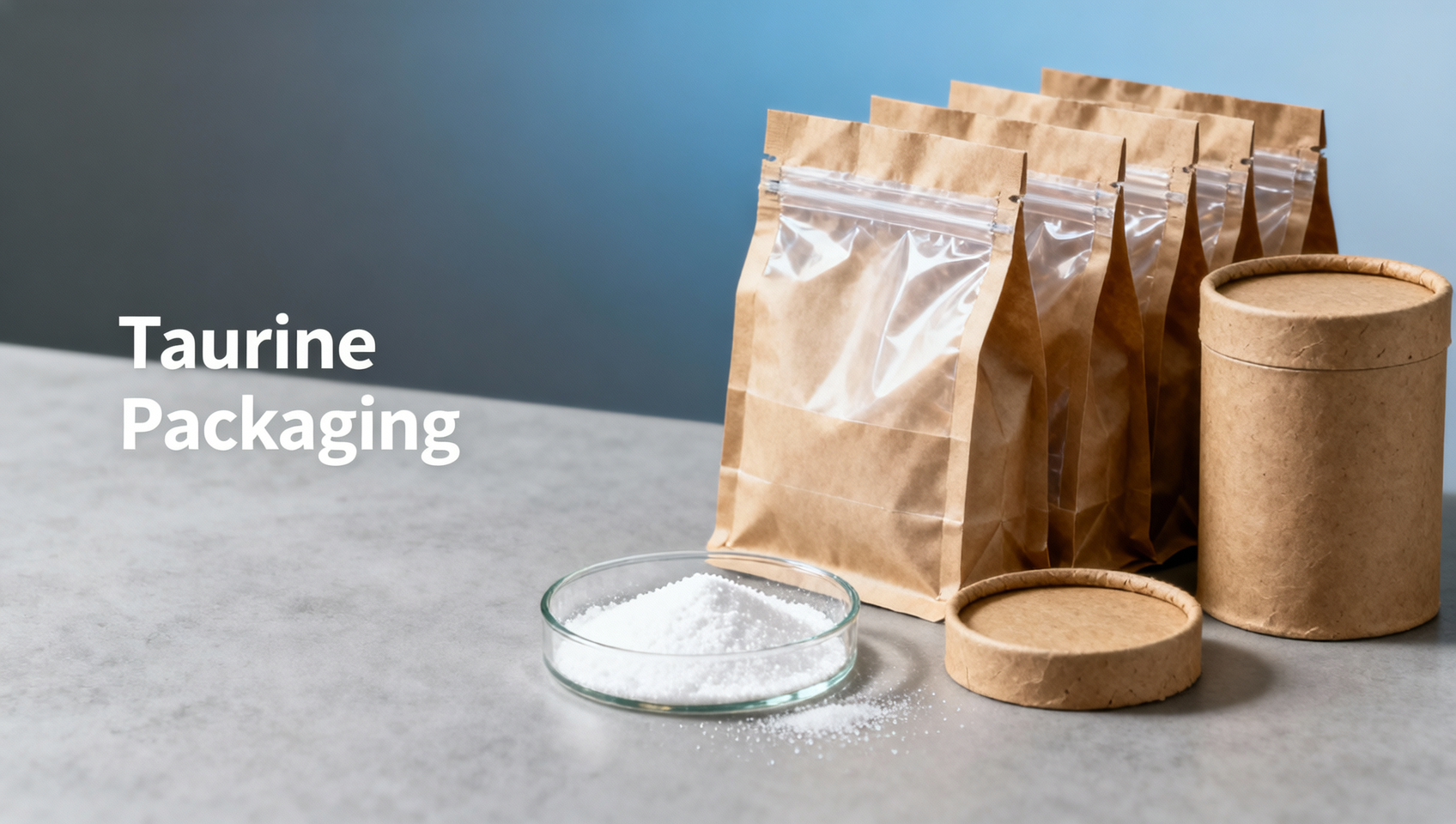
A low taurine powder price can become an expensive purchase when the quotation covers a different assay basis, a larger minimum order, or packaging that does not suit your receiving and production process. When two offers look similar on a spreadsheet, compare the approved specification, delivery basis, and usable quantity before negotiating the price per kilogram.
Purity requirements can add testing and production-control costs; larger orders may reduce unit costs but increase inventory exposure; packaging adds material and freight costs while potentially reducing handling losses. The right comparison is therefore total cost per accepted, usable kilogram, not simply the supplier’s headline price. A meaningful current price requires a dated quotation tied to these conditions rather than a generic market figure.
Establish a comparable quotation before discussing discounts
A purchasing team replenishing taurine for food or beverage production may receive one offer for bagged material at the supplier’s premises and another for palletized material delivered to a named port. Those prices do not describe the same purchase. Neither do quotations with different quality specifications, payment terms, or shipment quantities.
Start with one written request for quotation and ask every supplier to identify exceptions. Taurine should be identified by its chemical name and CAS number, 107-35-7, alongside the intended application. Identity alone does not establish suitability: the specification and supporting documentation must match your production and market requirements.
Ask suppliers to separate product price from optional services where practical. Otherwise, a premium for special testing or export packaging may be mistaken for a higher raw-material price.
Purity: pay for the required specification, not a larger number
Higher assay requirements can increase manufacturing, purification, and quality-control demands, but the printed percentage is only one part of the purchase specification. Two certificates showing the same assay may still differ in moisture, related impurities, or test methods.
Check whether assay is reported on the same basis
An assay reported on a dried basis is not directly interchangeable with an as-received result. The former corrects for the material removed during the specified drying procedure; the latter describes the sample as tested. Without the reporting basis and moisture or loss-on-drying limits, a nominally higher assay may not represent a better purchase.
Request the analytical method or referenced standard, specification limits, and a representative certificate of analysis. Confirm that the actual shipment will receive lot-specific documentation. A sample certificate helps assess capability, but it does not establish the quality of a future batch.
Separate essential controls from unnecessary upgrades
Food-use procurement may require controls for specified contaminants and microbiological quality, depending on the application and destination. Other applications may have different requirements. A description such as “high purity” or “food grade” cannot replace an agreed specification and a review of applicable requirements.
Before accepting a premium, identify what it buys:
- A tighter acceptance limit: useful when required by the formulation, quality system, or destination market.
- Additional testing: establish whether it is performed for every lot, periodically, or only on request.
- Physical consistency: particle-size distribution or bulk density may matter to feeding, mixing, and dust control even when assay is unchanged.
- Documentation: confirm which declarations are included and whether their scope matches the manufacturing site and supplied material.
Do not upgrade purity merely because a higher figure sounds safer. Equally, do not relax an approved limit to secure a discount without quality authorization. The purchasing decision should begin with the minimum acceptable specification, then compare suppliers that can reliably meet it.
Order size changes more than the price break
Larger orders can spread setup, testing, documentation, and handling costs over more kilograms. Transport may also become more efficient. However, savings are not automatic: a shipment near a freight capacity threshold can cost disproportionately more if additional cargo requires another pallet position or transport unit.
Request prices at quantities that reflect actual demand rather than arbitrary purchasing targets. Compare a qualification quantity, a normal replenishment order, and a larger planned order using the same specification and packaging. Ask whether the price tier depends on one shipment or a committed volume over several deliveries.
The larger order should be evaluated against consumption before the required retest or expiry date, available storage, payment timing, and the consequences of a production-plan change. Material waiting for quality release also ties up cash and warehouse space.
The discount must exceed the additional carrying and exposure costs. These include financing, storage, extra handling, and potential write-offs. Use your own inventory data rather than a generic holding-cost assumption.
Scheduled releases may offer a useful alternative to receiving the full commitment immediately. Confirm whether stock is reserved, when ownership transfers, how long the price is fixed, and what happens to uncalled quantities. A volume agreement can reduce purchasing uncertainty, but it can also create an obligation that survives a change in demand.
Packaging premiums can prevent costs elsewhere
Packaging affects both the delivered price and the amount of material production can use efficiently. A cheaper pack may require more opening, weighing, resealing, or internal transfer. A more protective container may add tare weight and occupy more freight space without providing a meaningful benefit on your route.
Match the package to the exposure conditions and handling method. Review the inner liner, closure integrity, outer protection, and pallet arrangement rather than relying on a container description alone. Humid transit conditions, warehouse practices, repeated opening, and mechanical handling can all influence the appropriate choice.
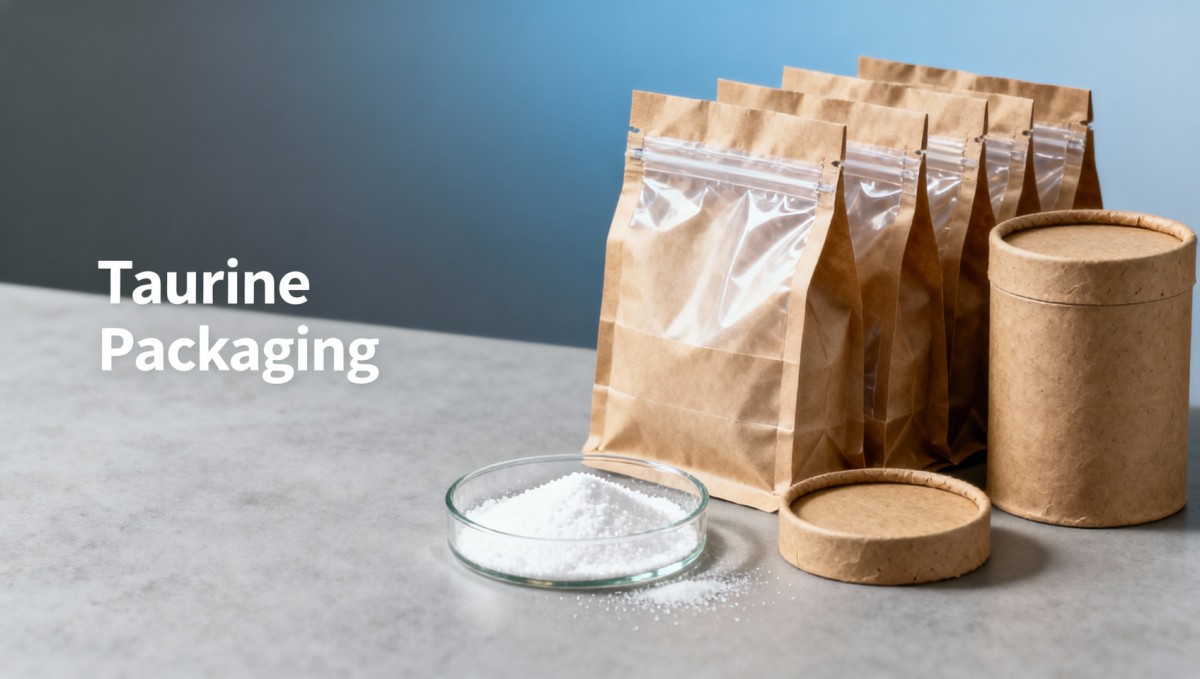
Ask for net and gross shipment weights, external dimensions, pack count, and pallet configuration. Freight comparisons based only on net product weight can miss charges associated with volume or pallet space.
Also define the delivered pack count and quantity tolerance. A pack size aligned with batch consumption may reduce weighing and leftover handling. Where production uses partial packs, confirm how remaining material will be identified, resealed, and stored under the supplier’s instructions.
Calculate landed cost without double-counting
Once the offers meet the same technical requirements, build a cost sheet using a common delivery point and currency. Keep recoverable taxes separate from nonrecoverable costs, while recording their cash-flow effect where relevant.
Comparable cost per usable kilogram = total attributable procurement cost ÷ accepted usable kilograms.
The numerator may include product, packaging surcharges, transport, insurance, customs clearance, applicable duties, inspection, receiving tests, financing, and internal handling. Include each item only once. A freight charge already covered by the quoted delivery term should not be added again.
The denominator should reflect your documented acceptance and handling basis. Do not invent a loss allowance to make one supplier appear cheaper. Where historical data show pack damage, incomplete discharge, or rejection losses, use that evidence consistently. For a new supplier, identify uncertainty separately until qualification provides a defensible basis.
Keep risk visible rather than burying it in a speculative surcharge. An offer can have a low calculated landed cost yet remain unsuitable because the supplier cannot confirm lot traceability, shipment timing, or a replacement procedure for rejected material.
Qualify the offer before committing to production volume
A low initial quotation is not necessarily representative of repeat supply. Verify whether it applies to regular production, available stock, a trial order, or a time-limited promotion. Ask for the manufacturing site, expected dispatch date, and remaining shelf-life or retest period at shipment, where applicable.
- Review documents first. Check the specification, representative certificate of analysis, safety data sheet, packaging details, and application-relevant declarations.
- Assess a representative sample. Evaluate the characteristics that affect your process, not just identity and assay. Clarify whether the sample represents the proposed supply.
- Approve written acceptance terms. Define sampling, release criteria, discrepancy notification, and the treatment of rejected or damaged goods.
- Confirm the production-order quotation. Recheck price validity, quantity tier, packaging, lead time, and payment terms after qualification.
For food and beverage procurement involving several ingredients, consolidating purchases may simplify administration or shipping. However, taurine and a sweetener such as Sucralose CAS#56038-13-2 perform different formulation functions and require separate specifications. Any combined-order saving should remain visible by line item; it should not obscure taurine’s quality requirements or landed cost.
Send a quotation request that suppliers can price accurately
The fastest route to a useful taurine powder price is a complete purchasing brief. State the application and destination, approved quality specification, estimated consumption, shipment quantity, preferred pack format, delivery location, and required arrival window. Include any supplier-qualification documents needed before an order can be released.
Ask suppliers to mark each requirement as included, excluded, or available at additional cost. Request an alternative packaging or quantity option only where it could realistically fit your operation. This makes the commercial effect of each change visible instead of producing several incompatible offers.
When a quotation exceeds the budget, negotiate the cost driver rather than automatically lowering the specification. A different shipment schedule, standard pack format, or clearer testing scope may provide savings without changing product acceptance limits. If the only affordable offer requires an unapproved quality concession, return it for technical review before placing the order.
Related Picks
 Butylated Hydroxytoluene Price Drivers: Supply, Purity, and Purchasing Risk FactorsOct 21, 2026Butylated Hydroxytoluene price trends depend on supply stability, purity, logistics, and purchasing risk. Learn how to compare quotes wisely and reduce sourcing costs.
 Sodium Tripolyphosphate Price Trends: Raw Material and Energy ExposureOct 20, 2026Explore sodium tripolyphosphate price trends, from phosphate and soda ash costs to energy exposure. Learn how to compare quotes, manage sourcing risks, and make smarter purchasing decisions.
 Acetonitrile Shipment to Vietnam Successfully Dispatched; RCEP Benefits Boost Fine Chemical Trade with ASEANSep 16, 2026A shipment of industrial-grade acetonitrile from our company has recently been loaded and dispatched following the completion of standardized hazardous material packaging and container securing procedures.
 Nigerian Client’s Order of 4 Containers of Vinyl Acetate Successfully Loaded and Shipped to West AfricaSep 16, 2026We recently completed the loading of a vinyl acetate order for a Nigerian client; four containers of the product have been successfully packed and are ready for shipment to Nigeria.




Question Consultation
Send Us Your Inquiry Today

Luxi Chemical is a professional chemical product supplier with ample stock of all chemical categories and excellent quality, welcome your purchase inquiry.

