


Understanding the Key Differences Between White PP and Natural Polypropylene for Packaging Applications
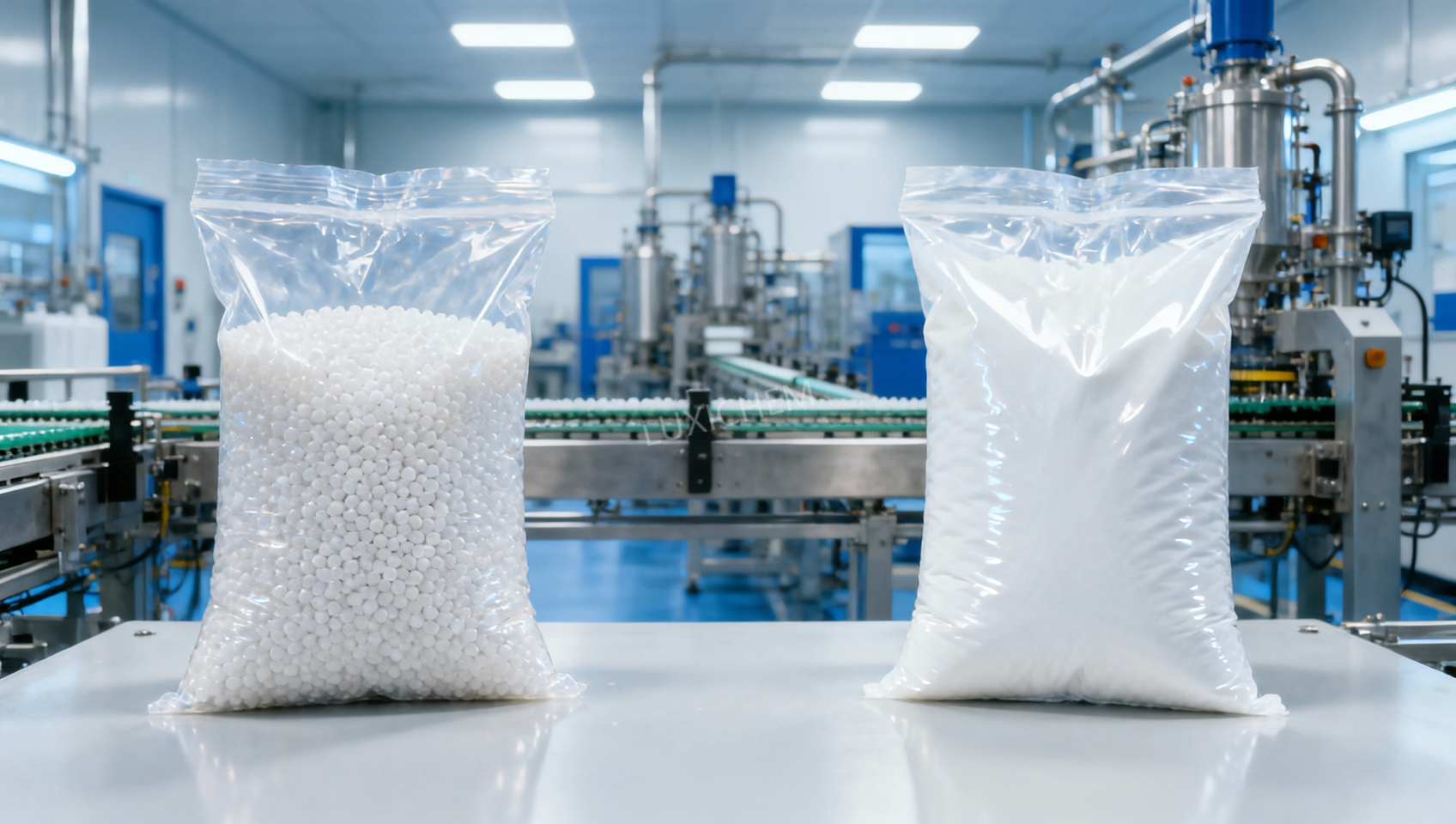
What Really Sets Them Apart: White PP vs. Natural Polypropylene
When you’re evaluating materials for a packaging line, the choice between white polypropylene (PP) and natural polypropylene often comes down to more than just color. Technical evaluators know that the visual difference is the tip of the iceberg. The real distinctions lie in how the material is compounded, how it behaves under processing conditions, and how it protects the product inside.
Natural polypropylene is the base resin—virgin material without added colorants or pigments. It offers a translucent, slightly hazy appearance and is typically the most cost-effective option. White PP, on the other hand, is a compounded variant that includes titanium dioxide (TiO₂) or other whitening agents. This addition changes more than the shade; it alters the material’s opacity, UV stability, and even its mechanical properties.
For a technical evaluator, the question isn’t “which one is better?” It’s “which one is better for this specific application?” Let’s take a closer look at the factors that actually matter.
Opacity and Light Protection: The Core Functional Difference
The most immediate functional difference is light transmission. Natural PP allows light to pass through, which can be a problem for products sensitive to UV or visible light. Think of food products like dairy, edible oils, or certain pharmaceuticals that degrade when exposed to light. For these, white PP is often the go-to choice because it provides a physical barrier against light.
However, not all white PP is created equal. The level of opacity depends on the concentration of TiO₂ and the quality of the dispersion during compounding. A poorly compounded white PP can have inconsistent opacity, leading to “hot spots” where light still penetrates. This is where supplier quality control becomes critical. A supplier like Luxi Chemical, which handles a broad portfolio of chemical raw materials and additives, understands the importance of consistent compounding. While we are not a PP producer, our experience in supplying intermediates for packaging and food-grade applications—including products like Methyl acetoacetate CAS#105-45-3 used in synthesis and food additive applications—gives us perspective on the rigorous standards required for materials that come into contact with sensitive goods.
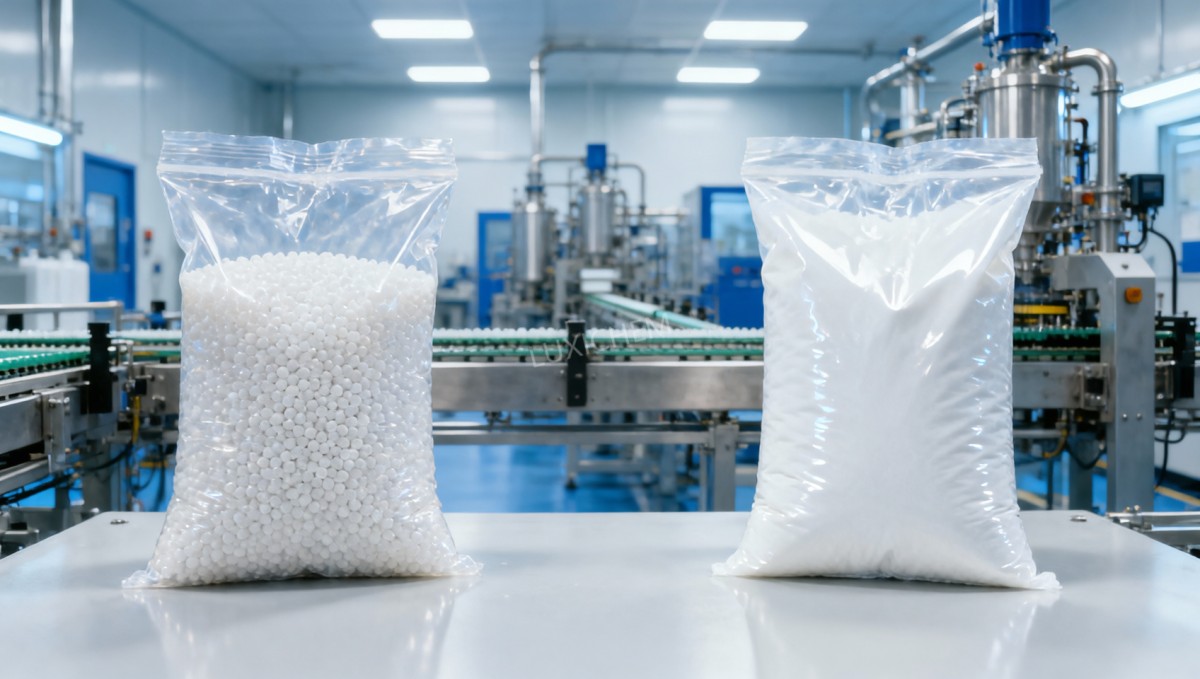
For applications where visual inspection of the product is required—like checking the fill level of a clear liquid—natural PP is the obvious choice. If you sacrifice clarity for opacity, you lose that ability. So, the choice is a trade-off between protection and visibility.
UV Resistance and Long-Term Stability
White PP naturally offers better UV resistance than natural PP, but only if the formulation is done correctly. The TiO₂ particles reflect and scatter UV radiation, which slows down the polymer degradation process. This is why white PP is often preferred for outdoor packaging or storage applications. Natural PP, without UV stabilizers, will become brittle and discolored much faster when exposed to sunlight.
But here’s a nuance that many overlook: the addition of TiO₂ can also act as a pro-oxidant under certain conditions, especially if the particles are not properly coated or if the resin is not stabilized. This means that a low-quality white PP could actually degrade faster than a well-stabilized natural PP. Always verify the UV stabilizer package with your supplier. In our experience working with clients in the food and pharmaceutical sectors, we often recommend requesting a UV-accelerated aging test report before committing to a large order.
Mechanical and Processing Considerations
From a mechanical standpoint, natural PP generally has slightly higher impact strength and elongation at break compared to white PP. The reason is simple: the addition of mineral fillers like TiO₂ can create stress concentration points in the polymer matrix. This doesn’t mean white PP is weak—it just means you may need to adjust your processing parameters or mold design.
Processing-wise, white PP requires more careful temperature control. The TiO₂ can affect the melt flow index (MFI), and inconsistent dispersion can lead to “die drool” or surface defects during extrusion or injection molding. Natural PP is more forgiving in this regard, making it a preferred choice for high-speed, high-volume production lines where consistency is king.
One thing we often see in technical evaluations is the assumption that white PP is automatically “stronger” because it looks more opaque. That’s not the case. The strength depends on the base resin, the additive package, and the processing history. If you need a specific mechanical property, you’re better off looking at the data sheet for the specific grade rather than making assumptions based on color.
Cost and Supply Chain Reality
Natural PP is almost always cheaper on a per-kg basis because it skips the compounding step. But the total cost of ownership needs to include more than just the raw material price. White PP can reduce the need for secondary packaging like labels or printed films, especially if the brand requires a clean, white background. It can also reduce product waste if light sensitivity is a real issue.
On the supply side, natural PP is a commodity product with many suppliers and stable pricing. White PP, being a specialty compound, often has longer lead times and minimum order quantities (MOQs). For companies that need a one-stop procurement model to reduce costs and time, working with a partner that understands both the chemical intermediates and the finished material markets is an advantage. Luxi Chemical, for instance, serves over 60 countries with a diverse product range that includes food additives and organic intermediates. We understand that the reliability of your supply chain is just as important as the material specs.
It’s also worth noting that the regulatory landscape can differ between the two. If your packaging is intended for food contact, you need to ensure that the white PP’s additive package is compliant with FDA or EU regulations. Natural PP, being a pure resin, is often easier to qualify, but it still requires a declaration of compliance. Don’t skip this step—it’s a common source of project delays.
Making the Decision: A Practical Framework
So how do you choose? Start by asking these questions in order:
- Does the product need light protection? If yes, white PP is the default. But also consider if a UV-blocking additive or a secondary packaging layer could achieve the same effect at a lower cost.
- Is visual inspection of the product required? If yes, natural PP is the way to go, unless you can use a transparent window or a different inspection method.
- What are the processing constraints? If you have a high-speed line and no room for processing adjustments, natural PP might be safer. If you can tune the parameters, white PP is viable.
- What is the total cost, including waste and secondary packaging? Run the numbers. Sometimes the cheaper material leads to a more expensive system.
There is no universal answer. The best choice depends on the specific application, the regulatory environment, and the supply chain capabilities. As a technical evaluator, your job is to balance these factors. The good news is that both materials are well-understood, and with the right supplier, you can get the performance you need without surprises.
If you’re still uncertain, the next step is to request a small trial batch of each material and run a side-by-side comparison under your actual production conditions. That data will tell you more than any spec sheet ever could.
Related Picks
 Butylated Hydroxytoluene Price Drivers: Supply, Purity, and Purchasing Risk FactorsOct 21, 2026Butylated Hydroxytoluene price trends depend on supply stability, purity, logistics, and purchasing risk. Learn how to compare quotes wisely and reduce sourcing costs.
 Sodium Tripolyphosphate Price Trends: Raw Material and Energy ExposureOct 20, 2026Explore sodium tripolyphosphate price trends, from phosphate and soda ash costs to energy exposure. Learn how to compare quotes, manage sourcing risks, and make smarter purchasing decisions.
 Acetonitrile Shipment to Vietnam Successfully Dispatched; RCEP Benefits Boost Fine Chemical Trade with ASEANSep 16, 2026A shipment of industrial-grade acetonitrile from our company has recently been loaded and dispatched following the completion of standardized hazardous material packaging and container securing procedures.
 Nigerian Client’s Order of 4 Containers of Vinyl Acetate Successfully Loaded and Shipped to West AfricaSep 16, 2026We recently completed the loading of a vinyl acetate order for a Nigerian client; four containers of the product have been successfully packed and are ready for shipment to Nigeria.




Question Consultation
Send Us Your Inquiry Today

Luxi Chemical is a professional chemical product supplier with ample stock of all chemical categories and excellent quality, welcome your purchase inquiry.

