


Is Sodium Bicarbonate Hazardous? Key Safety Guidelines for Industrial Handling
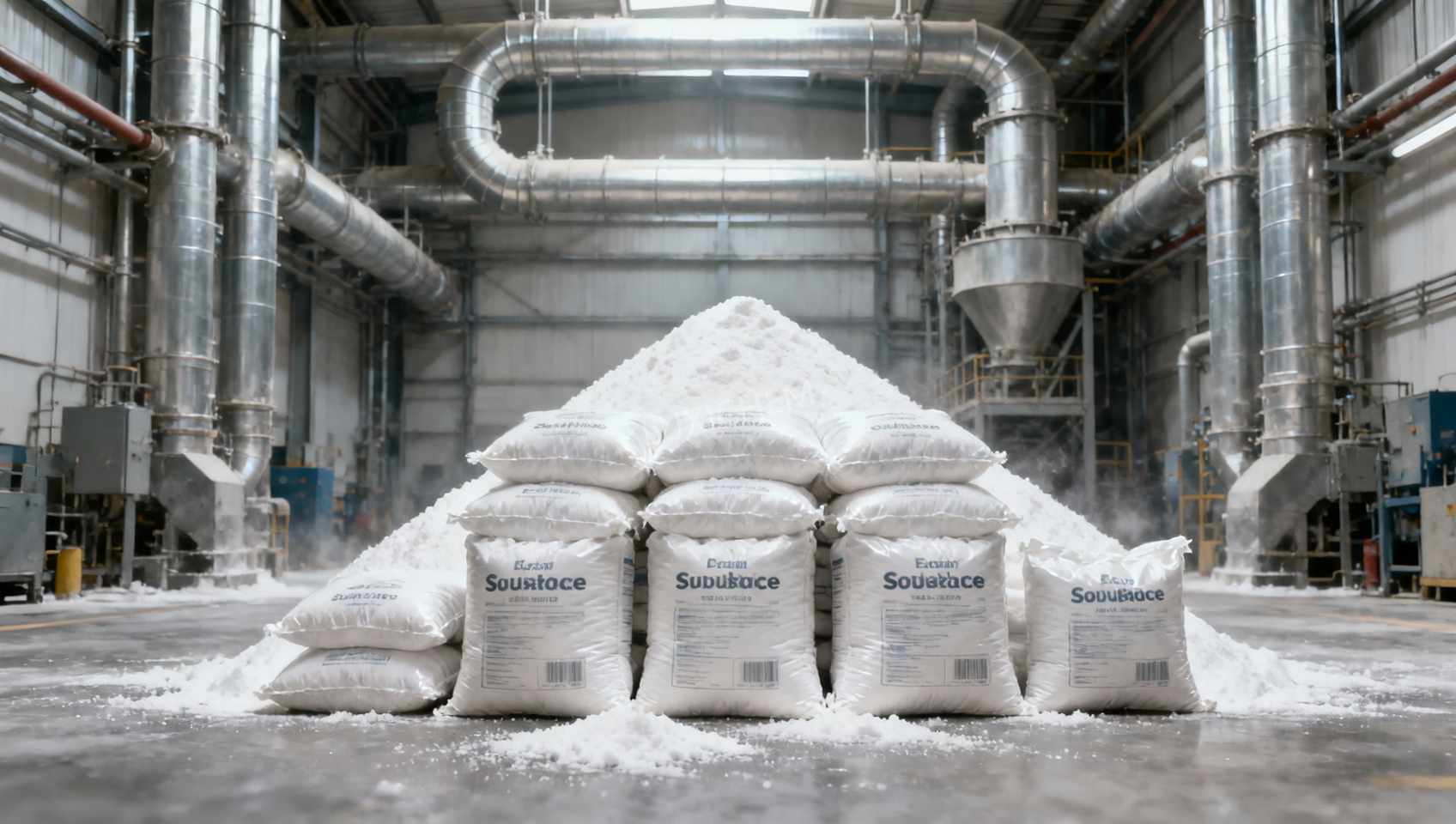
Sodium bicarbonate is a common industrial chemical, but is it hazardous? For operators handling this compound in bulk, understanding key safety guidelines is essential to prevent risks. This guide addresses sodium bicarbonate’s properties, potential hazards, and best practices for safe handling, ensuring you can work confidently with this versatile substance.
What Makes Sodium Bicarbonate Different from a Hazardous Chemical?
The short answer is that sodium bicarbonate is not classified as a hazardous substance under most regulatory frameworks, including OSHA’s Hazard Communication Standard (29 CFR 1910.1200) or the EU’s CLP Regulation. It does not carry hazard pictograms like the flame, skull-and-crossbones, or health hazard symbols. This is an important distinction for operators who may be used to handling acids, solvents, or caustic materials.
However, “not hazardous” in the regulatory sense does not mean it is completely inert or risk-free in every industrial setting. The real concern for operators handling bulk quantities is not acute toxicity, but rather the physical and environmental conditions that can turn a benign powder into a safety issue. The key is to understand the line between a nuisance dust and a respiratory hazard, and between a stable solid and a reactive material under specific conditions.
The Real Risks Operators Face with Sodium Bicarbonate
When you search for whether sodium bicarbonate is hazardous, you are likely trying to figure out what personal protective equipment (PPE) you need, how to store it, or whether you can mix it with other chemicals in your process. The risks fall into three main categories: physical irritation, environmental reactivity, and decomposition hazards.
Physical Irritation and Respiratory Concerns
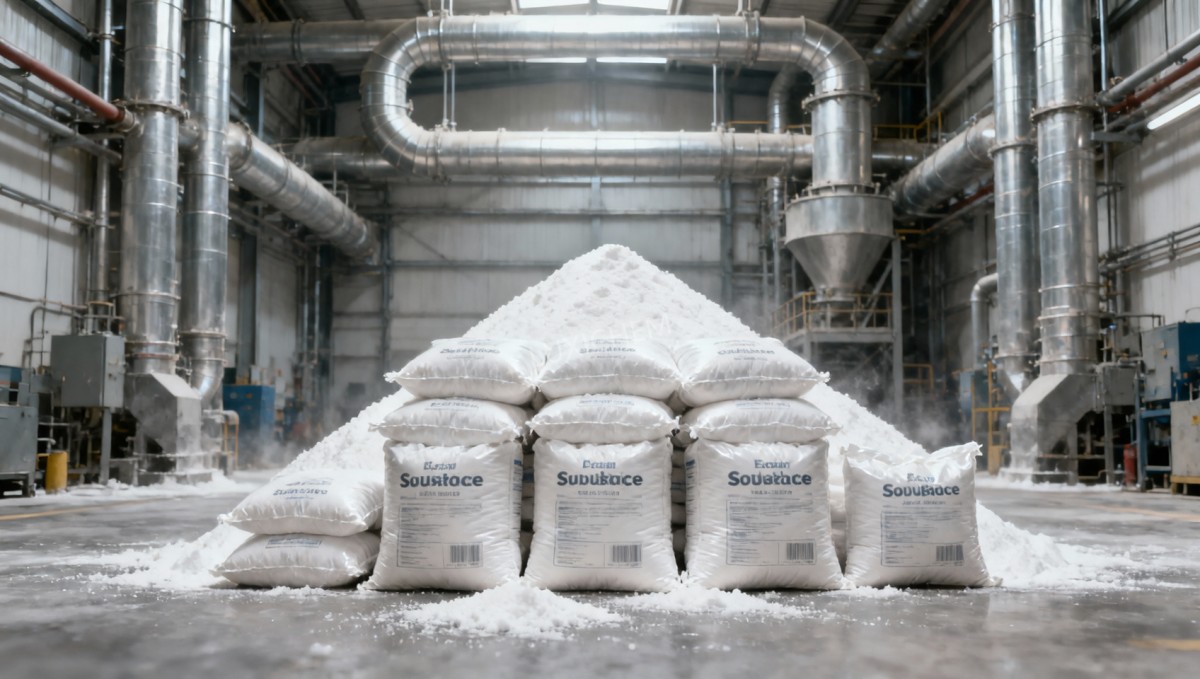
The most common issue operators encounter is dust. Sodium bicarbonate is a fine, white powder. When handled in bulk—during loading, unloading, bagging, or mixing—it generates airborne particles. These particles are not classified as toxic, but they can still cause irritation.
- Eye Contact: Direct contact with dust can cause mechanical irritation, redness, and a gritty sensation. It is not corrosive, but the physical abrasion is uncomfortable.
- Skin Contact: Prolonged contact with dry powder can dry out the skin due to its mild alkalinity. For most operators, this is a minor issue. However, if the skin is already broken or wet, the powder can cause mild irritation.
- Inhalation: This is the primary concern. Inhalation of high concentrations of dust can irritate the nose, throat, and respiratory tract. Operators working in enclosed spaces with poor ventilation, or those handling large volumes without dust control, are most at risk. The condition is often described as a dry cough or a feeling of stuffiness. It is not the same as inhaling a toxic fume, but it is a genuine occupational health issue that can affect productivity and comfort.
It is important to note that sodium bicarbonate is actually used as a treatment for certain types of acidosis and is even a component in some antacids. The hazard is not the substance itself, but the physical form (dust) and the concentration in the air.
Reactivity and Environmental Conditions
Another area where operators get confused is reactivity. Sodium bicarbonate is a stable compound under normal storage and handling. But it is not unreactive. It is a base, and it will react with acids. This is a simple chemical fact.
If sodium bicarbonate comes into contact with a strong acid, the reaction produces carbon dioxide gas, water, and a salt. In a confined space or a poorly ventilated area, this rapid gas evolution can create a pressure buildup or cause splashing if the acid is liquid. The risk is not an explosion, but rather a sudden release of gas that can displace oxygen or cause a container to rupture. This is a common oversight: operators assume that because the material is safe on its own, it is safe to store near any other chemical. That is not the case.
Moisture is another factor. While sodium bicarbonate is not hygroscopic in the same way as calcium chloride, it can absorb moisture from the air over time. Once wet, it can cake or form hard lumps. More importantly, a moist environment can promote the decomposition of the material if it is heated or stored improperly.
Safety Guidelines for Industrial Handling
If you are an operator, you need to know what to do before you start your shift. The following guidelines are based on common industrial practices and are applicable to facilities that handle sodium bicarbonate in bulk, whether in bags, super sacks, or silos.
1. Control Dust at the Source
This is the single most effective measure. Instead of relying entirely on respirators, invest in engineering controls.
- Local Exhaust Ventilation (LEV): Use a dust collection system at transfer points, such as bag dump stations, conveyor belts, and mixer inlets.
- Enclosed Systems: Where possible, use closed-loop conveying systems (pneumatic or screw) to minimize airborne dust.
- Wet Suppression: In some applications, a fine mist of water can be used to suppress dust without dissolving the material. This is common in food processing environments.
If you are operating in a space without these controls, you should be wearing a respirator. For most sodium bicarbonate dust, a basic N95 or P2 disposable respirator is sufficient. If you are in a very dusty environment, a half-face respirator with P100 filters provides better protection.
2. Use the Right PPE, Not the Wrong One
Because the material is not hazardous, there is a tendency to skip PPE entirely. This is a mistake. The minimum PPE should include:
- Safety Glasses or Goggles: To prevent dust from getting into your eyes.
- Gloves: Lightweight disposable gloves (nitrile or latex) are sufficient to prevent skin dryness and irritation. Heavy-duty chemical gloves are not necessary.
- Respiratory Protection: As mentioned, use a dust mask or respirator if you are in a dusty environment or if you are handling large quantities.
- Long Sleeves and Pants: To prevent dust from settling on bare skin.
One thing to avoid: using a full-face respirator with organic vapor cartridges. Those cartridges are designed for solvents and vapors, not for particulate dust. You need a particulate filter (N, R, or P series) for dust.
3. Store Separately from Acids and Strong Oxidizers
This is a critical safety rule. Sodium bicarbonate should be stored in a cool, dry area, away from any source of acid. In storage, keep it separated from:
- Hydrochloric acid, sulfuric acid, nitric acid, and other mineral acids.
- Organic acids such as acetic acid or citric acid.
- Strong oxidizers, because the reaction can be more vigorous.
In practice, this means not storing sodium bicarbonate next to a cleaning chemical storage area or a lab where acids are used. The ideal storage is a dedicated dry chemical warehouse or a separate section of the plant with a clear separation barrier.
4. Understand Thermal Decomposition
Sodium bicarbonate is stable at room temperature, but it begins to decompose when heated above 50-60°C (122-140°F). At approximately 100°C (212°F), the decomposition rate increases significantly, producing carbon dioxide, water vapor, and sodium carbonate. This is not a fire or explosion risk in the traditional sense, but it can create a problem if the material is stored in a hot environment or near a heat source.
If you are handling sodium bicarbonate in a process that involves heat (for example, as a pH buffer in a hot solution), you need to account for the fact that it will break down. The gas evolution can cause foaming or unexpected pressure increases in closed vessels. This is particularly relevant if you are using it in a reactor or a mixing tank that is not vented properly.
Common Misconceptions About Sodium Bicarbonate Safety
There are a few misunderstandings that operators often have when they first encounter this material in an industrial setting. Knowing these can prevent errors.
Misconception 1: It is completely safe to breathe.
The reality is that any dust, even from a non-toxic substance, can cause lung irritation over time. This is known as a "nuisance dust" effect. While it will not cause chemical pneumoconiosis like silica or asbestos, chronic exposure to high levels can lead to symptoms similar to bronchitis. The workplace exposure limit (PEL) for sodium bicarbonate is typically measured as a nuisance dust, often around 15 mg/m³ for total dust and 5 mg/m³ for respirable dust. You should not exceed these levels.
Misconception 2: It can be mixed with everything.
Because it is a base, it is used to neutralize acids. But mixing it with the wrong material can be dangerous. For example, mixing it with ammonium compounds can release ammonia gas. Always check the Safety Data Sheet (SDS) for incompatibility information before introducing it into a new process.
Misconception 3: It is not a fire hazard.
It is not a flammable solid, and it is often used in dry chemical fire extinguishers. However, it is a combustible dust. Like any fine organic or inorganic powder, it can form a dust cloud that, if ignited by a spark or heat source, can cause a deflagration. The risk is low compared to flour or aluminum powder, but it is not zero. Facilities handling large quantities should follow standard combustible dust safety practices: grounding equipment, controlling ignition sources, and using explosion-proof electrical equipment in dust-prone areas.
Choosing the Right Material for Your Application
When you are sourcing sodium bicarbonate, you might be surprised to find that there are different grades. The choice of grade affects both safety and performance. The most common grades are:
- Technical Grade: Used for industrial applications like pH control, flue gas treatment, and cleaning. It has a coarser particle size, which generates less dust.
- Food Grade (USP/NF): Used in food processing, pharmaceuticals, and personal care. It is finer and may generate more dust, but it meets purity standards for human consumption.
- Fine Powder: Used for specific chemical reactions or as a blowing agent. This is the dustiest form and requires the most stringent dust control measures.
If your primary concern is operator safety, and the application does not require high purity, the technical grade is often the better choice because it produces less airborne dust. However, if you are working in a food or pharmaceutical environment, you must use the food-grade material, and you will need to manage the dust through ventilation and PPE.
In many industrial settings, operators also work with other powdered ingredients that require similar handling precautions. For example, in food processing or beverage production, you might encounter acidulants like D-(+)-Glucono-1,5-lactone CAS#90-80-2. This compound, commonly used as a leavening agent or acidifier, is a white crystalline powder that is stable under normal conditions. Like sodium bicarbonate, it requires careful handling to avoid dust inhalation and should be stored in a dry, sealed environment. Understanding the handling requirements of such materials helps build a more comprehensive safety culture for your facility.
What to Do in an Emergency
Even with good practices, accidents happen. Here is a quick guide for common scenarios:
- Eye Contact: Flush eyes with plenty of clean water for at least 15 minutes. Seek medical attention if irritation persists.
- Skin Contact: Wash the affected area with soap and water. If irritation occurs, apply a moisturizing cream.
- Inhalation: Move the person to fresh air. If symptoms like coughing or shortness of breath persist, seek medical evaluation.
- Spill: Sodium bicarbonate can be swept up or vacuumed. Do not use compressed air to clean up dust, as this will create a dust cloud. Use a HEPA vacuum instead. If the material is wet, it can be shovelled into a disposal container. It is not environmentally hazardous, but large quantities should not be released into drains.
To summarize, sodium bicarbonate is not a hazardous chemical in the legal sense, but it is a material that requires respect. The risks are manageable: control the dust, keep it away from acids, and store it in a cool, dry place. When you do that, you can handle it safely and effectively for years.
Related Picks
 Butylated Hydroxytoluene Price Drivers: Supply, Purity, and Purchasing Risk FactorsOct 21, 2026Butylated Hydroxytoluene price trends depend on supply stability, purity, logistics, and purchasing risk. Learn how to compare quotes wisely and reduce sourcing costs.
 Sodium Tripolyphosphate Price Trends: Raw Material and Energy ExposureOct 20, 2026Explore sodium tripolyphosphate price trends, from phosphate and soda ash costs to energy exposure. Learn how to compare quotes, manage sourcing risks, and make smarter purchasing decisions.
 Acetonitrile Shipment to Vietnam Successfully Dispatched; RCEP Benefits Boost Fine Chemical Trade with ASEANSep 16, 2026A shipment of industrial-grade acetonitrile from our company has recently been loaded and dispatched following the completion of standardized hazardous material packaging and container securing procedures.
 Nigerian Client’s Order of 4 Containers of Vinyl Acetate Successfully Loaded and Shipped to West AfricaSep 16, 2026We recently completed the loading of a vinyl acetate order for a Nigerian client; four containers of the product have been successfully packed and are ready for shipment to Nigeria.




Question Consultation
Send Us Your Inquiry Today

Luxi Chemical is a professional chemical product supplier with ample stock of all chemical categories and excellent quality, welcome your purchase inquiry.

