


What Is PP Raw Material? A Comprehensive Guide for Beginners in the Plastics Industry
What Exactly Is Polypropylene (PP) Raw Material?
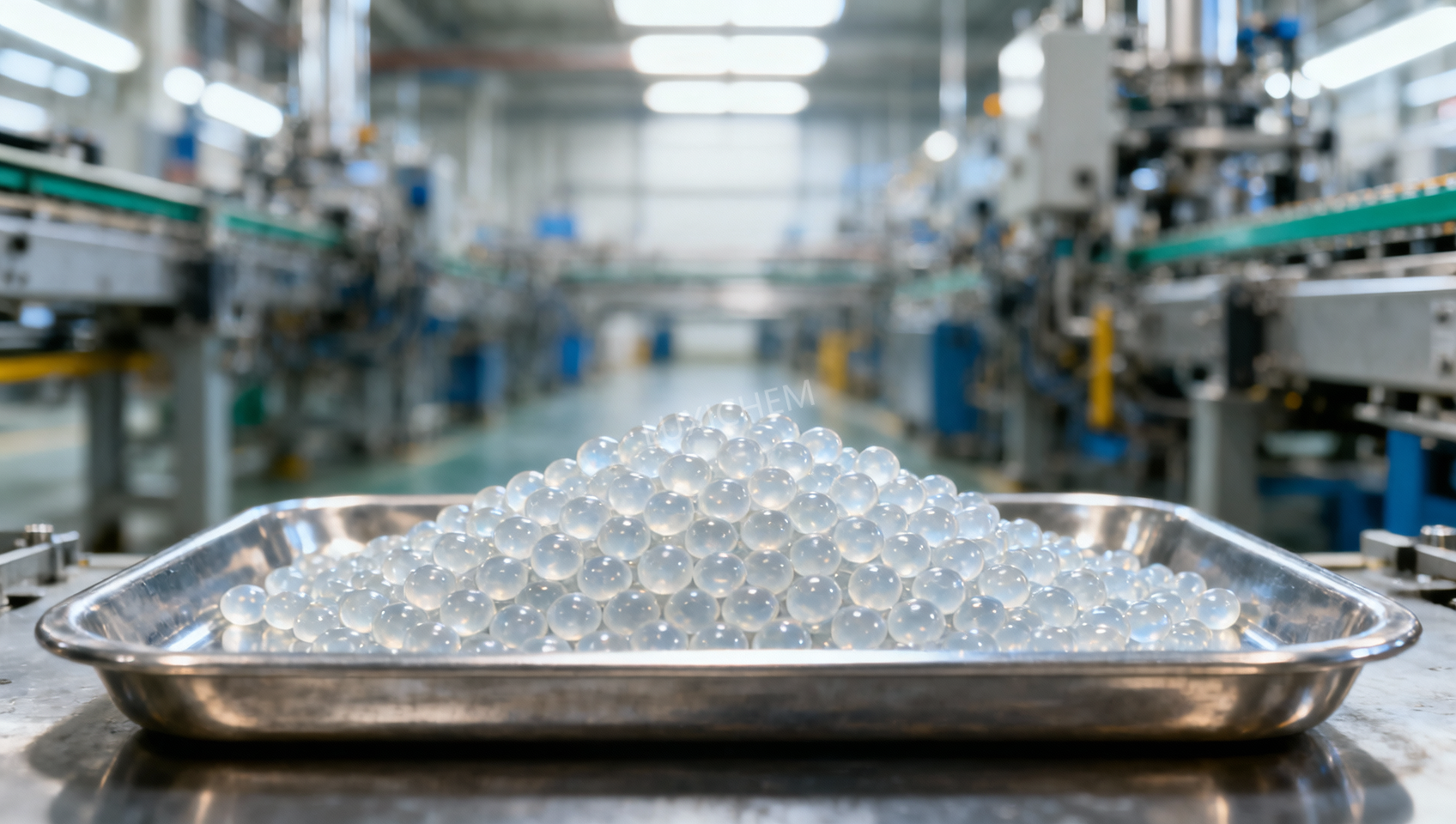
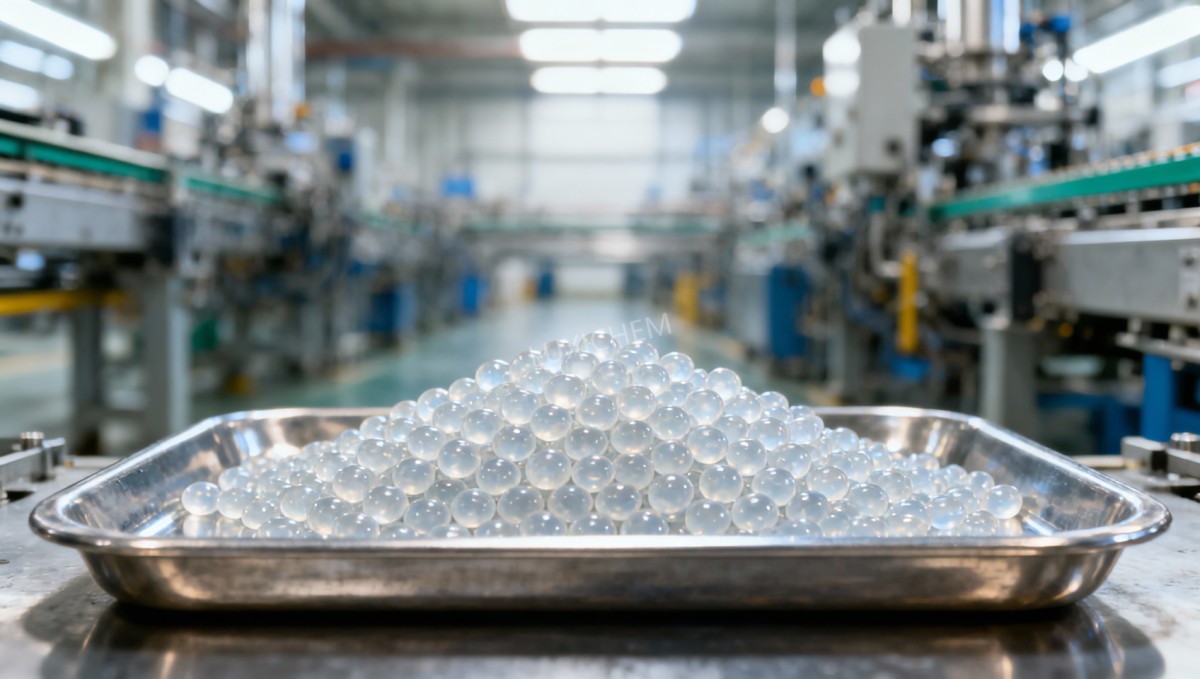
If you're just starting out in plastics, one of the first materials you'll encounter is polypropylene (PP). It's a thermoplastic polymer that shows up in everything from yogurt containers and automotive parts to medical devices and packaging films. But "PP raw material" isn't a single, uniform substance. The term refers to the base resin in its raw, unprocessed form—typically delivered as small pellets or granules—that gets melted and molded into finished products.
What makes PP so widely used comes down to a few core characteristics. It's lightweight, resistant to chemicals and fatigue, and has a high melting point relative to other common plastics. That combination means it can handle hot liquids, repeated bending, and exposure to many solvents without degrading quickly. For a beginner, the most important thing to understand is that PP raw material is not a "one-size-fits-all" product. Different grades exist for different manufacturing processes and end-use requirements.
Why Is PP So Commonly Used in Manufacturing?
Polypropylene's popularity isn't accidental. It strikes a balance between cost, performance, and ease of processing that few other thermoplastics can match.
One of the key reasons is its excellent chemical resistance. PP can withstand exposure to acids, bases, and many organic solvents that would cause other plastics, like polystyrene or ABS, to crack or dissolve. This makes it a default choice for laboratory equipment, battery cases, and chemical storage containers.
Another major advantage is its fatigue resistance. PP can be flexed repeatedly without breaking, which is why it's used in living hinges—the thin plastic joint that connects the lid of a bottle to its body. You can open and close that hinge thousands of times before it fails.
From a processing standpoint, PP raw material flows well when melted, making it suitable for a wide range of manufacturing methods. Injection molding, blow molding, extrusion, and thermoforming all work reliably with PP. The material also has a relatively low density compared to other plastics, which translates to lighter finished products and lower shipping costs.
One thing beginners often overlook is that PP's performance depends heavily on its molecular structure. The way the polymer chains are arranged—whether they are isotactic, syndiotactic, or atactic—determines properties like crystallinity, clarity, and impact strength. For most commercial applications, isotactic PP is the standard because it offers the best balance of stiffness and heat resistance.
Key Properties You Should Know About PP Raw Material
When evaluating PP raw material for a project, you need to look beyond its basic description. Here are the properties that actually affect your choice:
- Melting Point: PP typically melts around 160-170°C (320-338°F). This is higher than polyethylene but lower than engineering plastics like nylon. It means PP can be used in applications that involve hot water or steam sterilization, but it's not suitable for high-temperature environments exceeding its melting range.
- Rigidity and Stiffness: Standard PP is relatively stiff, but not brittle. If you need more flexibility, you can blend it with elastomers. If you need more rigidity, you can add fillers like talc or glass fibers. These modifications change the material's behavior significantly, so don't assume all PP grades behave the same way.
- UV Sensitivity: Unmodified PP degrades under prolonged exposure to ultraviolet light. It becomes brittle and discolored over time. If your application is outdoors, you'll need UV-stabilized grades or protective coatings. This is a common oversight that leads to premature product failure.
- Moisture Resistance: PP absorbs very little water, which is good for dimensional stability. However, this also means it's difficult to bond with adhesives or paints without surface treatment.
- Transparency: Standard PP is translucent, not crystal clear. If you need optical clarity, you can use clarified PP grades, which add nucleating agents to control crystal formation. These grades are used in clear food containers and medical syringes.
Common Applications and Where Each Grade Fits
PP raw material is categorized primarily by its melt flow index (MFI) and its copolymer content. The MFI tells you how easily the material flows when melted. High MFI grades are used for thin-walled injection molded parts, while low MFI grades are better for extrusion and blow molding.
Here are the most common application categories:
Packaging: This is the largest market for PP. Films, bottles, caps, and containers all rely on PP's clarity, moisture barrier, and food safety compliance. For food packaging, you need grades that meet food contact regulations, such as FDA or EU standards. Random copolymer PP is often used here because it offers better clarity and lower haze than homopolymer PP.
Automotive: Interior trim, battery cases, bumpers, and under-the-hood components often use PP. The material's low weight helps improve fuel efficiency, and its chemical resistance protects against oil and fuel exposure. For automotive applications, impact-modified PP or PP filled with talc or glass fibers is common.
Medical and Healthcare: PP is widely used in syringes, IV components, diagnostic devices, and packaging for medical supplies. Its ability to withstand steam sterilization (autoclaving) without deforming is a critical advantage. Medical-grade PP must meet strict purity and biocompatibility standards, so it's essential to source from suppliers who can provide the necessary certifications.
Textiles and Nonwovens: PP fibers are used in ropes, carpets, geotextiles, and disposable hygiene products like diapers and wipes. The material is drawn into fine fibers and then woven or bonded. For these applications, the PP raw material must have a specific molecular weight distribution to achieve the desired fiber strength and softness.
Consumer Goods: Furniture, luggage, toys, and household appliances all use PP. The material's ability to take color well, its scratch resistance, and its low cost make it a practical choice for high-volume production.
What Beginners Often Misunderstand About PP
One of the most common mistakes is treating all PP as interchangeable. A grade that works perfectly for injection molding a bottle cap may fail completely if you try to use it for extrusion blow molding. The MFI, copolymer type, and additive package all matter.
Another frequent misunderstanding is about PP's recyclability. PP is technically recyclable, but the infrastructure for collecting and processing it is less developed than for PET or HDPE. Many recycling facilities accept PP, but the material is often downcycled into lower-value products. If you're designing for recyclability, you need to consider the labeling and sorting requirements in your target market.
Beginners also tend to assume that PP is always the cheapest option. While it is generally cost-effective, specialized grades—like those with high impact resistance, UV stabilization, or food contact compliance—can be significantly more expensive. The base resin cost is only part of the equation. Processing costs, scrap rates, and the need for additives or post-processing can change the total cost dramatically.
How to Choose the Right PP Raw Material for Your Project
If you're evaluating PP raw material for the first time, start by asking these questions:
- What process will you use? Injection molding, blow molding, extrusion, and thermoforming all require different MFI ranges. Get the MFI wrong, and your parts will either be too difficult to mold or will have poor surface finish.
- What are the mechanical requirements? Does the part need to withstand impact, flexing, or heat? Do you need stiffness or flexibility? This determines whether you need a homopolymer, a random copolymer, or an impact copolymer.
- What regulatory standards apply? If the product contacts food, skin, or medical substances, you need grades that are certified for those applications. Verification is critical—do not assume compliance without documentation.
- What is the expected service environment? Will the part be exposed to UV light, chemicals, moisture, or extreme temperatures? Each condition requires specific additives or modifications.
- What is the target cost? Balance performance requirements with material cost. Sometimes a slightly more expensive grade can reduce processing time or improve yield, which saves money overall.
For a broad range of chemical raw materials used in plastics and other industries, companies like Luxi Chemical (Shandong) Co., Ltd. provide reliable sourcing and one-stop procurement services. They serve customers in over 60 countries, covering categories such as organic intermediates, food additives, and specialty chemicals. If your project extends beyond PP into other raw materials, working with a supplier that understands the full supply chain can simplify procurement and reduce costs.
When PP Is Not the Right Choice
PP is versatile, but it's not suitable for every application. It has poor resistance to chlorinated solvents and aromatic hydrocarbons. It also has relatively low impact strength at low temperatures—below about -20°C, it becomes brittle. If your application involves extreme cold, consider polycarbonate or a specialty elastomer.
PP also has a high coefficient of thermal expansion, which can cause dimensional changes in precision parts. It's not ideal for applications requiring tight tolerances unless you use filled grades to reduce shrinkage.
In the pharmaceutical and life science research space, the need for high-purity raw materials extends beyond plastics. For example, β-Nicotinamide Mononucleotide CAS#1094-61-7 is a key intermediate used in NAD⁺ biosynthesis research and anti-aging studies. It is applied in health supplements, pharmaceuticals, cosmetics, and biochemical research. If your work involves such specialized compounds, sourcing from a supplier with experience in chemical raw materials and regulatory compliance is essential.
What You Should Do Next
If you're researching PP raw material for a new project, the first actionable step is to request a data sheet from your supplier. Look at the MFI, tensile strength, flexural modulus, and heat deflection temperature. Compare these numbers against your product requirements. Don't rely on general descriptions—the numbers tell the real story.
Next, run a small-scale trial using the actual processing conditions you plan to use. PP's behavior can shift with changes in temperature, cooling rate, and mold design. What works in theory may not work in practice.
Finally, consider the supply chain. PP raw material is a commodity resin, but not all suppliers offer the same consistency, lead times, or support. A reliable partner who can provide consistent quality and technical guidance is worth more than a marginal price difference.
Related Picks
 Butylated Hydroxytoluene Price Drivers: Supply, Purity, and Purchasing Risk FactorsOct 21, 2026Butylated Hydroxytoluene price trends depend on supply stability, purity, logistics, and purchasing risk. Learn how to compare quotes wisely and reduce sourcing costs.
 Sodium Tripolyphosphate Price Trends: Raw Material and Energy ExposureOct 20, 2026Explore sodium tripolyphosphate price trends, from phosphate and soda ash costs to energy exposure. Learn how to compare quotes, manage sourcing risks, and make smarter purchasing decisions.
 Acetonitrile Shipment to Vietnam Successfully Dispatched; RCEP Benefits Boost Fine Chemical Trade with ASEANSep 16, 2026A shipment of industrial-grade acetonitrile from our company has recently been loaded and dispatched following the completion of standardized hazardous material packaging and container securing procedures.
 Nigerian Client’s Order of 4 Containers of Vinyl Acetate Successfully Loaded and Shipped to West AfricaSep 16, 2026We recently completed the loading of a vinyl acetate order for a Nigerian client; four containers of the product have been successfully packed and are ready for shipment to Nigeria.




Question Consultation
Send Us Your Inquiry Today

Luxi Chemical is a professional chemical product supplier with ample stock of all chemical categories and excellent quality, welcome your purchase inquiry.

