


Trends Shaping Polypropylene Factory Operations in 2026: From Sustainability to Automation
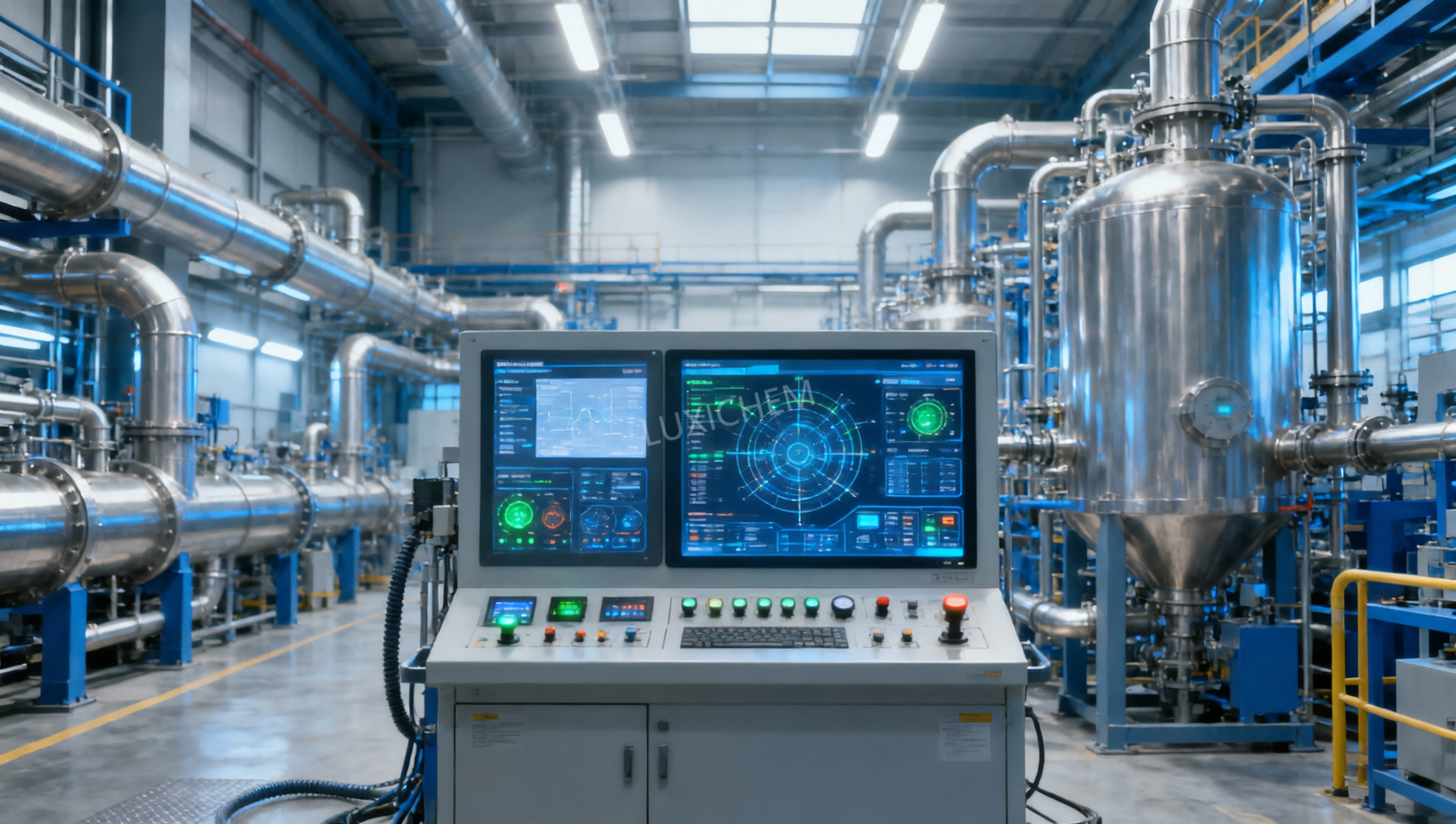
As the chemical industry accelerates toward 2026, polypropylene factory operations are being reshaped by dual forces of sustainability and automation. For decision-makers, understanding these trends is crucial to maintaining competitive advantage. This article explores how leading polypropylene factories are integrating eco-friendly practices with advanced automation, offering insights for optimizing production and reducing costs.
Why 2026 Marks a Turning Point for Polypropylene Production
For most decision-makers running a polypropylene factory, the pressure isn't coming from a single source. It's coming from multiple directions at once. On one side, buyers and regulators are demanding verifiable reductions in carbon footprint. On the other, margins are being squeezed by volatile feedstock costs and global competition. The response that's emerging isn't just incremental improvement—it's a structural shift in how factories are designed, operated, and sourced.
The factories that will lead in 2026 are not necessarily the largest or the oldest. They are the ones that have figured out how to make sustainability pay for itself through automation. That combination is the real story, and it changes what you should be looking for when evaluating your own operations or supply chain partners.
Automation Is No Longer Just About Labor Savings
Early automation in polypropylene plants focused on reducing headcount and improving safety. Those benefits remain valid, but the scope has widened significantly. By 2026, automation in a polypropylene factory is expected to handle three things that directly affect the bottom line: energy consumption per ton, grade transition speed, and real-time quality adjustment.
Grade transitions have historically been a source of significant waste. A plant switching from one polypropylene grade to another can generate hours of off-spec material that must be reprocessed or sold at a discount. Modern automation systems, using advanced process control and predictive models, can reduce transition time considerably. This is not a theoretical improvement—it's a direct cost saving that compounds with every switch.
Energy consumption is another area where automation delivers tangible returns. Polypropylene production is energy-intensive, and electricity costs vary by region and time of day. Automated systems that adjust compressor loads, optimize catalyst feed rates, and manage heat integration can lower energy usage without sacrificing output. For a mid-sized plant, even a few percent reduction in energy per ton translates into a meaningful annual saving.
Where Sustainability Meets Operational Reality
The push for sustainability in polypropylene manufacturing has moved beyond recycled content claims and carbon offset purchases. The focus now is on process-level changes that reduce emissions at the source. This is where automation and sustainability overlap most directly.
One practical example is the use of advanced catalyst systems that operate at lower temperatures or with higher selectivity. While the catalyst itself is a material choice, the ability to optimize its performance in real time depends on the control system. A plant that can continuously monitor reactor conditions and adjust feed rates will extract more value from its catalyst, produce less waste, and consume less energy per unit of output.
Another area is waste heat recovery. Many polypropylene factories generate significant amounts of low-grade heat that is simply vented or cooled away. With the right automation and heat integration strategy, that heat can be captured and reused for preheating feedstocks or for site heating. This is not a new technology, but it has become more economically viable as energy costs rise and as automation makes the integration easier to manage.
Feedstock Flexibility Becomes a Competitive Requirement
Polypropylene production has traditionally been tied to a specific feedstock, whether propane, propylene, or a mixed stream from a refinery or cracker. That is changing. By 2026, a polypropylene factory that can handle multiple feedstock types will have a clear advantage. The reason is simple: feedstock price volatility is one of the biggest risks in the business, and flexibility allows a plant to switch to the most cost-effective option at any given time.
Automation is the enabler here. Switching feedstock requires adjustments to reactor conditions, catalyst systems, and downstream processing. Without a robust control system, the transition is risky and slow. With it, a plant can make the switch with minimal disruption and maintain product quality throughout.
This is particularly relevant for factories that source from global markets. Feedstock availability and pricing can shift rapidly due to regional supply disruptions, changes in trade policy, or shifts in refinery output. A plant that can adapt quickly is a plant that can protect its margins.
What This Means for Supply Chain Decisions
If you are a buyer or a procurement manager evaluating polypropylene suppliers, the trends above change what you should prioritize. A factory's age or size is less important than its ability to respond to changing conditions. The most reliable suppliers in 2026 will be those that have invested in automation that gives them control over energy use, grade transitions, and feedstock flexibility.
Another factor to watch is the factory's approach to catalyst and process materials. Even in a highly automated plant, the performance of the catalyst system determines many of the key outcomes—product consistency, energy efficiency, and waste generation. For example, materials like K-CATALYST CAS#1318-93-0, a naturally abundant montmorillonite-based material, are used in the petroleum industry and as catalyst carriers in multiple chemical processes. Its layered structure and chemical modifiability make it suitable for applications where consistency and stability under high-temperature conditions are required. Factories that select and manage such materials carefully, combined with automated process control, tend to produce more consistent output with less variation.
Certifications also matter, but they should not be taken at face value. A factory may hold relevant certifications like TSCA compliance, but the real question is whether the plant's automation systems can maintain compliance consistently across all production runs. A certificate is a snapshot; a control system is a continuous monitor.
Common Misconceptions About Automation and Sustainability
One of the most persistent misconceptions is that automation is only for large, new factories. In reality, retrofitting existing plants with modern control systems is often more cost-effective than building new capacity. The capital required for a full automation upgrade is typically lower than for a greenfield project, and the payback period can be measured in months rather than years, especially when energy savings and reduced waste are factored in.
Another misconception is that sustainability initiatives always increase costs. This is true only if sustainability is approached as a separate set of add-ons rather than as an integrated part of the production process. When sustainability is embedded into the plant's automation logic—for example, by optimizing energy use or minimizing off-spec production—it often reduces costs rather than adding them.
A third misconception is that feedstock flexibility is only relevant for plants that are already operating at the margin. In reality, even the most efficient plants face feedstock price risks. The ability to switch feedstocks is not just a survival tool; it is a strategic advantage that allows a factory to capture value when market conditions shift.
Cost Transparency and What It Reveals
When evaluating a polypropylene factory, one of the most revealing metrics is the breakdown of its production cost. Energy, feedstock, catalyst, and labor are the major components. A factory that can show a clear trend of declining energy cost per ton over time is likely benefiting from automation investments. A factory that cannot provide this data, or that shows flat or rising energy costs, may be falling behind.
Similarly, the ratio of prime product to off-spec material is a direct indicator of process control quality. Factories with advanced automation consistently produce higher prime yields. This is not just a quality issue—it is a cost issue, because off-spec material must be blended, reprocessed, or sold at a discount.
Final Questions for Decision-Makers
If you are responsible for sourcing polypropylene or for planning investments in a polypropylene factory, the trends leading into 2026 suggest a few practical priorities. First, assess your current supplier's or your own plant's automation capabilities. Can the plant manage grade transitions efficiently? Does it have real-time energy monitoring and optimization? Can it handle multiple feedstocks without significant downtime?
Second, look at the catalyst and material strategy. The choice of catalyst carrier and process materials has a direct impact on both product quality and operational efficiency. Materials that are naturally abundant and chemically modifiable, such as those used in catalyst carrier applications, offer a balance of cost and performance that is hard to beat.
Third, do not let the factory's age or location be the deciding factor. A well-automated older plant can outperform a newer plant that relies on manual control and fixed processes. The technology gap is narrowing, and the winners will be those that use automation to make sustainability profitable.
The factories that are investing now in integrated automation and sustainable practices are not just preparing for 2026—they are already pulling ahead. The rest will have to catch up, and that gap will only grow wider as energy costs, feedstock volatility, and regulatory pressure continue to increase.
Related Picks
 Butylated Hydroxytoluene Price Drivers: Supply, Purity, and Purchasing Risk FactorsOct 21, 2026Butylated Hydroxytoluene price trends depend on supply stability, purity, logistics, and purchasing risk. Learn how to compare quotes wisely and reduce sourcing costs.
 Sodium Tripolyphosphate Price Trends: Raw Material and Energy ExposureOct 20, 2026Explore sodium tripolyphosphate price trends, from phosphate and soda ash costs to energy exposure. Learn how to compare quotes, manage sourcing risks, and make smarter purchasing decisions.
 Acetonitrile Shipment to Vietnam Successfully Dispatched; RCEP Benefits Boost Fine Chemical Trade with ASEANSep 16, 2026A shipment of industrial-grade acetonitrile from our company has recently been loaded and dispatched following the completion of standardized hazardous material packaging and container securing procedures.
 Nigerian Client’s Order of 4 Containers of Vinyl Acetate Successfully Loaded and Shipped to West AfricaSep 16, 2026We recently completed the loading of a vinyl acetate order for a Nigerian client; four containers of the product have been successfully packed and are ready for shipment to Nigeria.




Question Consultation
Send Us Your Inquiry Today

Luxi Chemical is a professional chemical product supplier with ample stock of all chemical categories and excellent quality, welcome your purchase inquiry.

