What causes chemical catalysts to lose activity?

Chemical Catalysts lose activity when their active sites are blocked, chemically altered, physically damaged, or made inaccessible to reactants. Common causes include poisoning by contaminants, fouling and coke deposition, excessive temperature, sintering, and changes in the catalyst’s chemical state. Some apparent activity losses instead originate in feed composition, flow distribution, instrumentation, or downstream equipment.
For a maintenance team responding to falling conversion or a rising reactor temperature requirement, the first task is to separate a genuine catalyst problem from an operating or measurement problem. That distinction matters: increasing temperature may temporarily recover conversion, but it can also accelerate irreversible damage or exceed equipment and catalyst limits.
Start with the operating pattern, not the catalyst bed
Compare current performance with a reliable baseline at similar feed rate, composition, pressure, inlet temperature, and product specification. A lower conversion at a higher throughput, for example, does not by itself prove deactivation: shorter contact time may explain the difference. Check whether the change is reflected in laboratory results as well as online analyzers, and verify sampling points, instrument calibration, and material balances.
Trends are often more useful than a single reading. Record when the loss began and compare it with feed changes, unit upsets, startup or shutdown events, pressure-drop history, and maintenance work. A sudden change after a feed contamination event suggests a different investigation from a gradual decline over a long operating period.
These patterns are diagnostic clues, not proof. Several mechanisms can occur together: deposits can increase pressure drop while also blocking active sites, and a hot spot can both reflect maldistribution and accelerate catalyst damage.

Poisoning: an impurity occupies or changes active sites
A poison is a substance that reduces activity by interacting with catalytic sites or changing their chemical environment. The contaminant may arrive with the normal feed, a new feed source, recycled material, utility leaks, or chemicals introduced during cleaning and maintenance. Depending on the catalyst and reaction, problematic species can include sulfur compounds, chlorine, arsenic, lead, phosphorus, or other metals.
The same substance is not a poison in every process. Sulfur can deactivate some metal catalysts, while other catalysts require a sulfided active phase. Identify the actual catalyst formulation and its contaminant limits before treating a detected element as the root cause.
Investigate the time relationship between the performance decline and any change in feed source, pretreatment operation, guard-bed condition, or upstream equipment. Representative feed and catalyst samples can help establish whether a contaminant is present and where it accumulated. Sampling and analysis need an approved plan: a surface deposit, a radial concentration gradient, or a sample taken from the wrong bed location can give a misleading picture.
Recovery depends on the poison and catalyst. Some effects may be reversible under the supplier’s approved treatment; strongly bound contaminants or deposited metals can make replacement necessary. Do not assume that a routine regeneration will remove a poison, and avoid introducing scavengers or cleaning chemicals without confirming their compatibility with the process.
Fouling and coke: active sites become inaccessible
Fouling occurs when material accumulates on the catalyst or in the spaces between particles. Coke, heavy hydrocarbons, salts, corrosion products, and entrained solids can block pores or restrict flow. A catalyst may retain active material but perform poorly because reactants cannot reach it efficiently. Pressure drop can rise when material collects in the bed, although pore blockage may reduce activity without a conspicuous pressure-drop increase.
Look upstream for failed filtration, corrosion, feed instability, carryover, or conditions that favor deposit formation. Compare the bed temperature profile and pressure drop with feed quality and rate. A plugged distributor or inlet screen can also create a flow problem that resembles bed fouling, so inspect the available evidence from the whole flow path rather than attributing every restriction to the catalyst.
Some deposits can be removed through a controlled regeneration procedure, but the deposit must be identified first. Burning carbon from a bed can produce a substantial heat release and create hot spots; an unsuitable procedure can damage the catalyst or equipment. Regeneration should follow the catalyst supplier’s and site’s approved limits for atmosphere, temperature, flow, monitoring, and shutdown. Some deposits, particularly metals and certain salts, are not removed by ordinary oxidative regeneration.
Thermal damage and physical deterioration
High temperatures can cause active metal particles to agglomerate, a process known as sintering. The available active surface area falls, and normal operation usually cannot restore it. Excessive heat can also alter the support, collapse pore structure, or change the catalyst phase. A brief localized hot spot may be more damaging than the average bed temperature suggests.
Review individual thermocouple histories, temperature differences across the bed, feed distribution, quench or cooling performance, and any loss of flow or control. A missing or failed thermocouple can hide a local excursion; conversely, a faulty reading can suggest a hot spot that is not present. Correlate the temperature indication with neighboring measurements and process behavior before deciding on the cause.
Physical damage is another route to apparent deactivation. Crushing, abrasion, or attrition can generate fines, increase pressure drop, and alter flow distribution. Poor loading, vibration, rapid pressure changes, or repeated thermal cycling may contribute. Evidence from unloading, screens, or a properly collected bed sample can help distinguish damaged catalyst from deposits introduced with the feed. Depending on the extent and location of damage, screening or partial replacement may be considered only where the equipment design and supplier permit it.
The catalyst may be in the wrong chemical state
Some catalysts must be activated, reduced, oxidized, or sulfided before they reach their intended operating state. An incomplete activation, an interruption during startup, or an unexpected change in the process atmosphere can therefore look like permanent loss of activity. The remedy is not a generic chemical addition: it depends on the catalyst’s chemistry and the approved startup procedure.
In refining, certain hydrotreating catalysts are designed to operate in a sulfided state. Dimethyl disulfide CAS#624-92-0 is supplied at a stated purity of at least 99% and can be used as a sulfiding agent for refining catalysts. Its use is relevant only where the catalyst supplier and unit procedure specify an appropriate sulfiding agent; it is not a treatment for every inactive catalyst and can poison sulfur-sensitive systems.
The material is flammable and has a strong sulfurous odor. Handle and store it according to the current safety data sheet, site controls, and applicable requirements. Sulfiding can generate hazardous sulfur-containing gases, including hydrogen sulfide, so the procedure must address exposure monitoring, containment, and emergency response. Odor is not a reliable exposure alarm.
Separate kinetic loss from flow and measurement limitations
A reactor can produce less desired product even when the intrinsic catalyst activity has not changed. Feed bypassing, channeling, blocked distributors, inadequate mixing, or an unexpected liquid phase can reduce effective contact with the bed. At high rates, external mass transfer or internal pore diffusion may limit the observed reaction. Heat-transfer limitations can likewise produce local conditions that differ from the reported inlet temperature.
Check whether the decline tracks throughput, pressure, feed composition, or a change in phase behavior. Compare readings from independent instruments and confirm that temperature, pressure, and flow measurements represent the conditions used in the performance calculation. Where possible, use an approved performance test at defined conditions rather than comparing operating points with substantially different feeds or rates.
Product separation and recycle systems also deserve attention. An analyzer fault, changed recovery efficiency, or altered recycle composition can make reactor performance appear worse. Confirming the location of the loss prevents unnecessary catalyst intervention.
Deciding whether to continue, regenerate, or replace
Once the likely mechanism is established, assess both performance and remaining operating margin. Continuing service may be reasonable when product specifications are met and the required operating conditions remain within approved limits. Do not compensate indefinitely by raising temperature: track the rate of change and the distance to catalyst, reactor, and safety limits.
Regeneration is worth evaluating when the deposit is compatible with an established procedure and the catalyst retains sufficient physical and chemical integrity. It is less likely to restore performance lost to severe sintering, permanent poisoning, or structural collapse. Replacement may be necessary when activity cannot be recovered safely, pressure drop restricts operation, or the bed is mechanically compromised.
Before opening equipment or removing samples, use the site’s isolation, depressurization, cooling, and hazardous-material procedures. Spent catalyst may contain adsorbed hydrocarbons, toxic contaminants, or reactive deposits; some materials can heat or ignite on contact with air. Preserve representative samples and operating records for analysis, and use the findings to address the upstream cause before returning a regenerated or replacement bed to service.
Related Picks
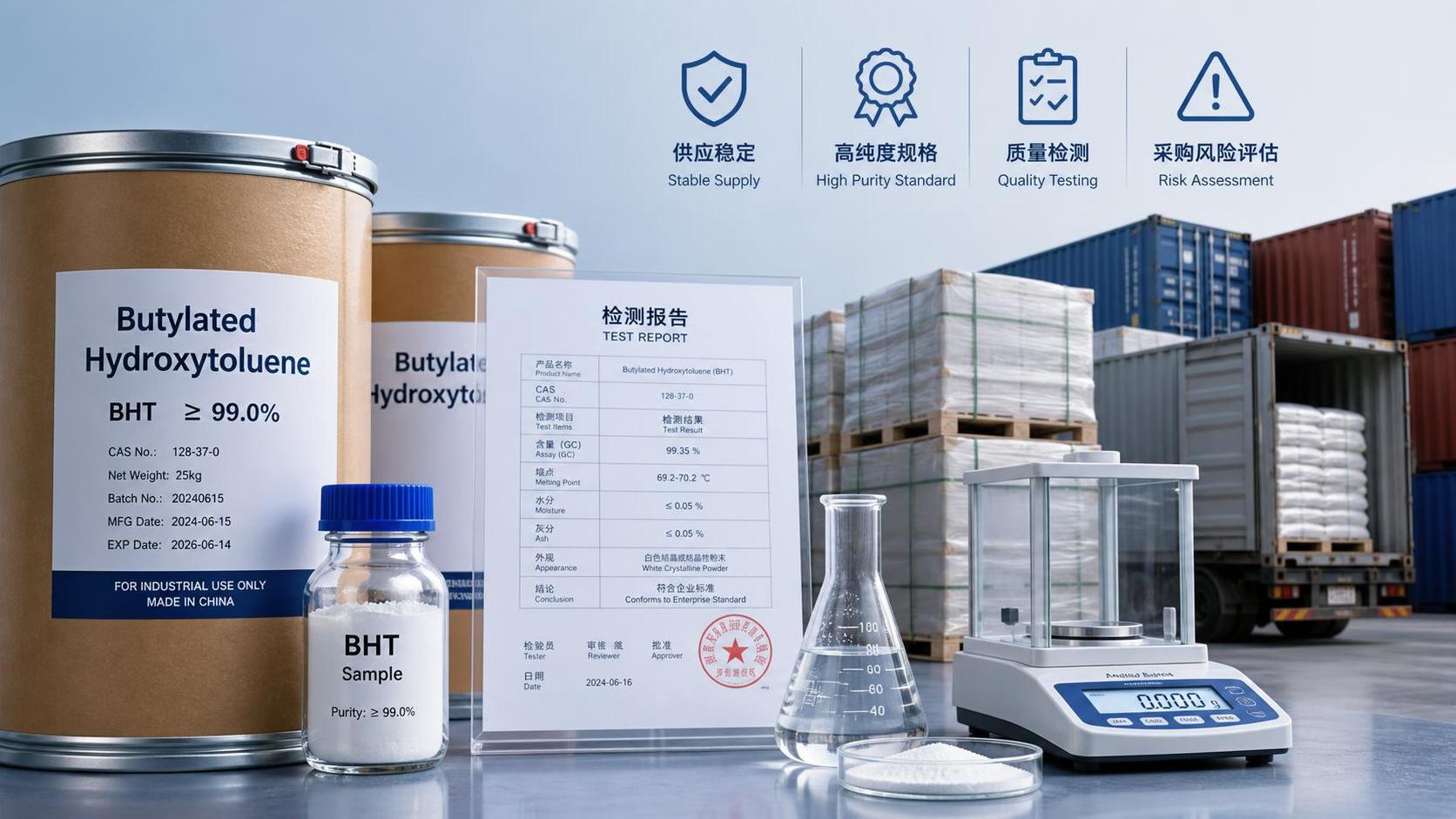
 Butylated Hydroxytoluene Price Drivers: Supply, Purity, and Purchasing Risk FactorsOct 21, 2026Butylated Hydroxytoluene price trends depend on supply stability, purity, logistics, and purchasing risk. Learn how to compare quotes wisely and reduce sourcing costs.
 Sodium Tripolyphosphate Price Trends: Raw Material and Energy ExposureOct 20, 2026Explore sodium tripolyphosphate price trends, from phosphate and soda ash costs to energy exposure. Learn how to compare quotes, manage sourcing risks, and make smarter purchasing decisions.
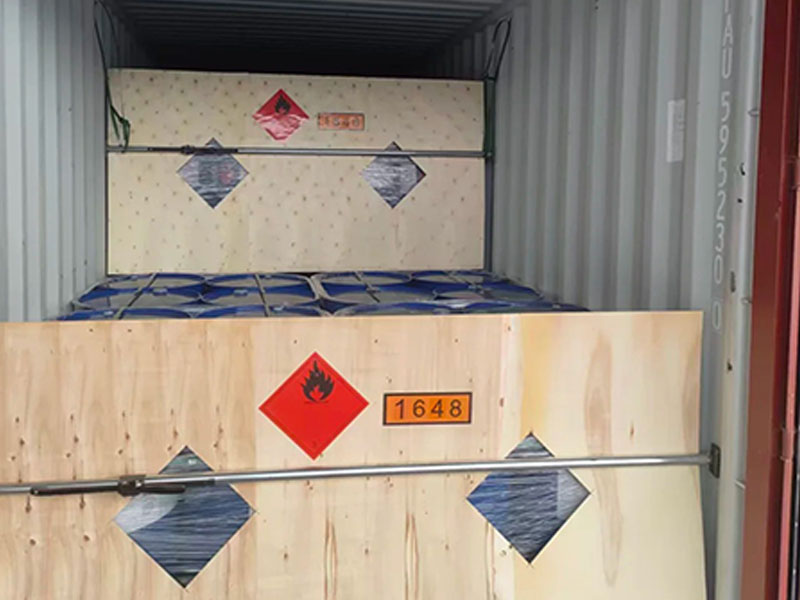
 Acetonitrile Shipment to Vietnam Successfully Dispatched; RCEP Benefits Boost Fine Chemical Trade with ASEANSep 16, 2026A shipment of industrial-grade acetonitrile from our company has recently been loaded and dispatched following the completion of standardized hazardous material packaging and container securing procedures.
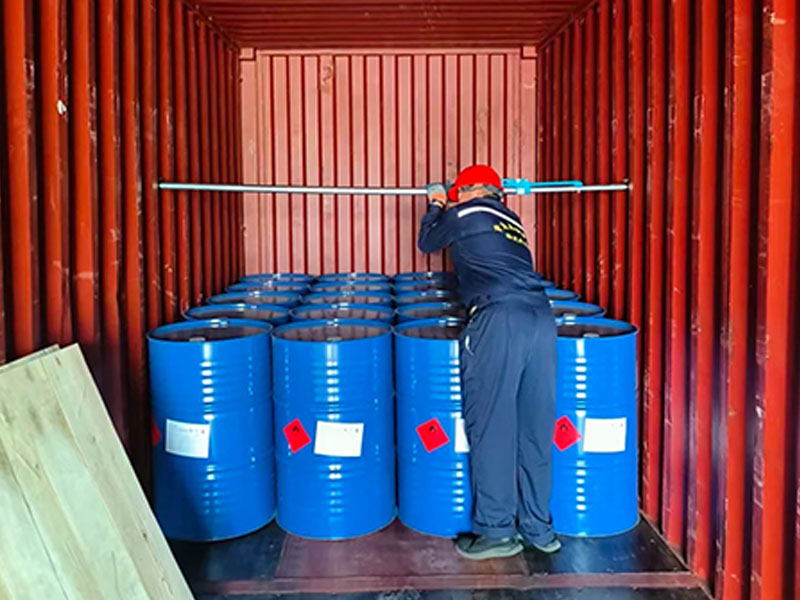
 Nigerian Client’s Order of 4 Containers of Vinyl Acetate Successfully Loaded and Shipped to West AfricaSep 16, 2026We recently completed the loading of a vinyl acetate order for a Nigerian client; four containers of the product have been successfully packed and are ready for shipment to Nigeria.
Question Consultation
Send Us Your Inquiry Today

Luxi Chemical is a professional chemical product supplier with ample stock of all chemical categories and excellent quality, welcome your purchase inquiry.