


What polyester polyol for polyurethane foam suits furniture cushions?
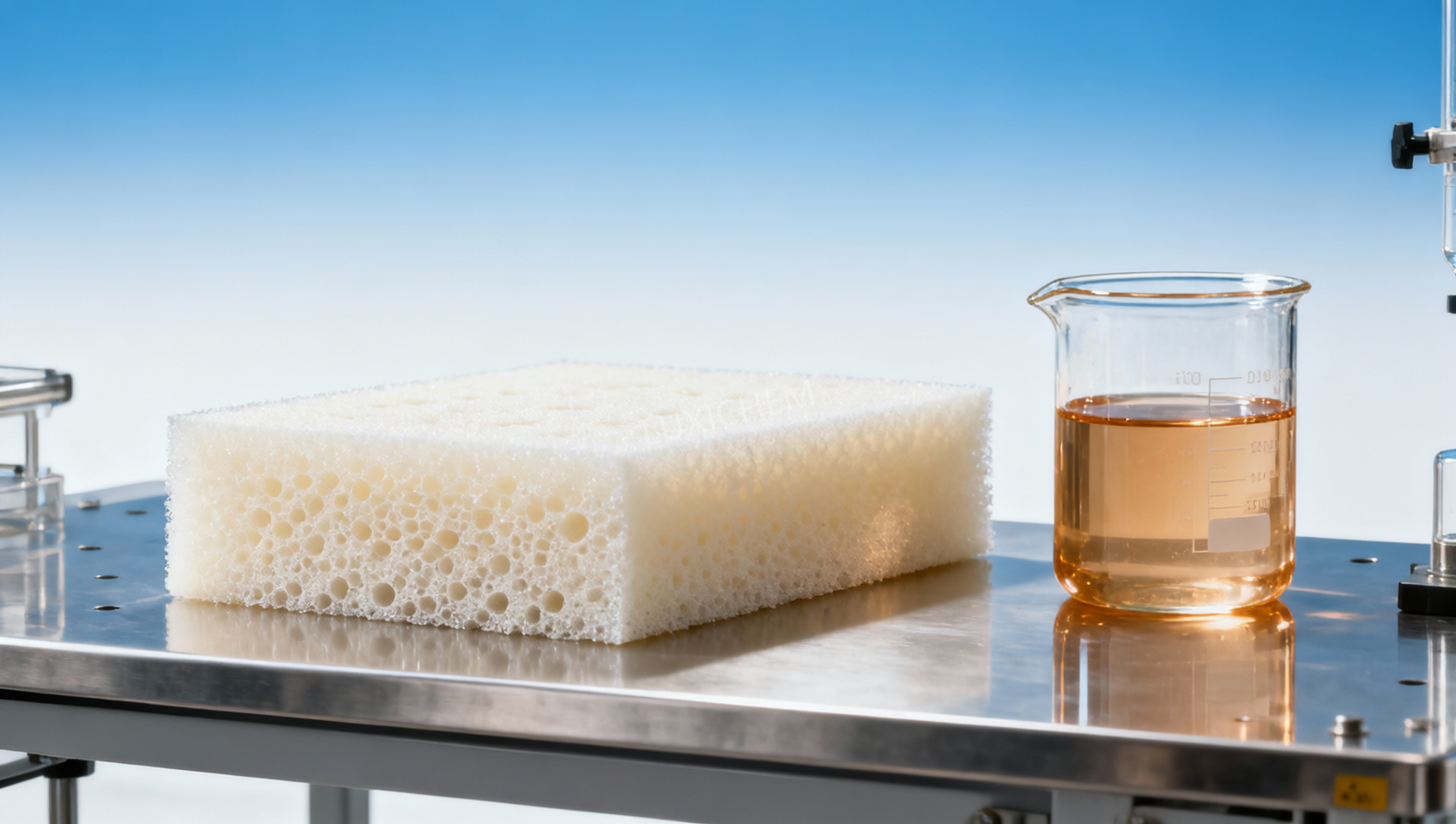
What Polyester Polyol for Polyurethane Foam Suits Furniture Cushions?
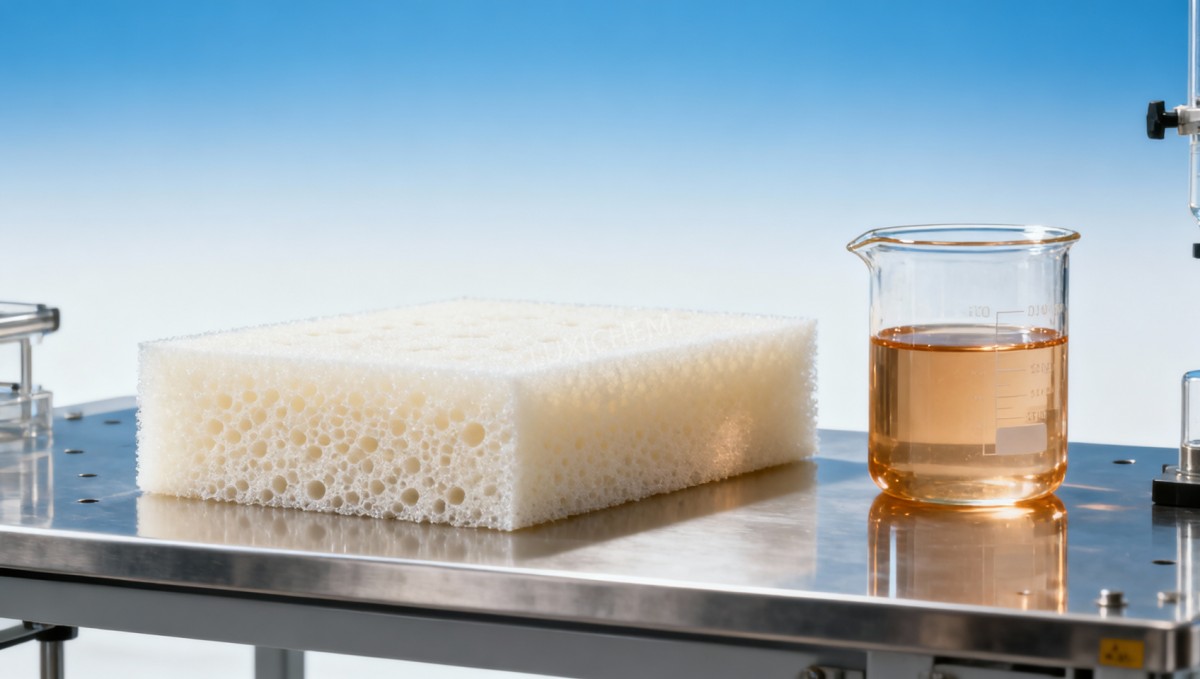
Choosing the right polyester polyol for polyurethane foam begins with the cushion's required feel, durability, density, and manufacturing route, rather than selecting by price alone.
For furniture cushions, the strongest choice is rarely a universal grade. Project managers should specify a polyester polyol system that supports targeted comfort while maintaining production consistency.
The practical question is whether the foam must prioritize deep seating comfort, firm support, high resilience, load-bearing performance, flame-retardant compatibility, or long service life.
A suitable polyester polyol for polyurethane foam can provide excellent mechanical strength and formulation flexibility, but its chemistry must match the foam design and processing conditions.
For engineering leaders, material selection also affects scrap rates, cycle times, quality claims, supplier qualification, inventory planning, and the total cost of cushion production.
This guide explains how to evaluate polyester polyols for furniture cushion foam and how to translate technical properties into sourcing and project decisions.
Start With the Cushion Performance Target
Before comparing polyol data sheets, define what the finished furniture cushion must accomplish in daily use. This prevents technically acceptable materials from creating commercially weak seating products.
Seat cushions normally require controlled firmness, repeated-compression resistance, and stable support. Back cushions may instead emphasize softer comfort, recovery, and lower density without excessive material consumption.
Premium sofas, office seating, hospitality furniture, automotive-inspired recliners, and modular lounge systems all create different foam-performance requirements. Their loading patterns and expected service lives are not interchangeable.
Project teams should document target density, indentation force deflection, compression set, resilience, tensile strength, tear strength, and acceptable odor or emission requirements before procurement begins.
A polyester polyol for polyurethane foam is commonly considered when stronger mechanical properties, abrasion resistance, or hydrolysis performance under defined conditions are important formulation objectives.
However, polyester-based systems can behave differently from polyether-based systems in moisture exposure, processing, and long-term comfort. The final choice depends on the entire formulation, not one ingredient.
For example, a firmer high-load seat may need a polyester polyol structure that supports cell integrity and strength, while a soft back cushion may need greater formulation flexibility.
The purchasing specification should therefore describe functional outcomes. Asking only for “polyester polyol” leaves too much room for variation in molecular design, viscosity, hydroxyl value, and reactivity.
Evaluate Hydroxyl Value Before Comparing Prices
Hydroxyl value is one of the most important indicators when selecting polyester polyol for polyurethane foam because it directly influences crosslink density and foam behavior.
In general, a higher hydroxyl value indicates more reactive hydroxyl groups per unit mass. This can contribute to a more tightly crosslinked polyurethane network.
For cushion production, excessive crosslinking may create foam that feels too hard, brittle, or less forgiving. Insufficient crosslinking can reduce support and durability under repeated loading.
The correct hydroxyl value should be selected alongside isocyanate index, water level, catalysts, blowing agents, surfactants, fillers, and other formulation components.
Project managers should request a recommended formulation window, rather than treating one nominal hydroxyl value as a guaranteed indicator of finished foam quality.
Manufacturers also need to understand batch consistency. Small variation in hydroxyl value can affect cream time, rise profile, cure behavior, hardness, and the repeatability of molded cushions.
A supplier with reliable quality control can provide certificates of analysis and defined tolerance ranges, allowing engineering teams to manage process risk before full-scale production.
When qualifying alternatives, evaluate actual pilot foam data under the same production setup. A lower purchase price can be outweighed by higher reject rates or slower line operation.
Viscosity Determines Handling and Production Stability
Viscosity affects how easily a polyester polyol can be pumped, metered, blended, and mixed with other raw materials. It is therefore an operational issue, not merely a laboratory number.
High-viscosity materials may require heated storage, stronger pumps, adjusted transfer lines, or longer mixing time. These requirements can increase energy use and complicate plant operation.
Low-viscosity grades may improve handling but should still provide the molecular characteristics needed for the target foam. Easier pumping does not automatically mean better cushion performance.
For furniture foam projects, the usable viscosity range depends on ambient temperature, tank design, formulation package, equipment capability, and production volume.
Ask suppliers for viscosity values at the relevant test temperature and confirm whether the material remains stable after storage and transport in local climate conditions.
Cold-weather logistics deserve particular attention. A material that performs well in a controlled plant may become harder to transfer after exposure to lower temperatures during delivery.
Engineering teams should review agitation requirements, storage temperatures, filtration needs, and recommended shelf life before approving a grade for regular purchasing.
These details are especially important for multinational furniture programs, where foam plants may operate under very different climate, equipment, and utility conditions.
Functionality and Molecular Structure Shape Foam Properties
Polyol functionality refers to the average number of reactive hydroxyl groups available on each molecule. It has a major influence on the polyurethane network formed during curing.
Higher-functionality polyester polyols can support more crosslinking and structural strength. This can be useful where cushion components require enhanced load resistance or dimensional stability.
Lower-functionality materials may contribute to softer and more flexible foam structures. They can be useful when the design brief requires a gentler seating response.
Still, functionality cannot be evaluated in isolation. Molecular weight, hydroxyl value, acid value, polyester backbone composition, and the isocyanate system jointly determine final behavior.
A cushion that initially feels comfortable can still fail after repeated compression if its molecular design does not adequately support fatigue resistance and recovery.
For this reason, procurement specifications should require testing against anticipated end-use loading. Laboratory hardness alone is not sufficient for evaluating furniture-cushion suitability.
Ask whether the polyol was designed for flexible foam, semi-rigid foam, integral-skin systems, elastomers, adhesives, or other polyurethane applications. Similar chemistry can have very different intended uses.
Using a general-purpose grade without confirming its application history may create avoidable challenges in cell opening, airflow, demolding, or finished-cushion comfort.
Control Acid Value, Moisture, and Impurities
For reliable polyurethane foam processing, acid value and moisture content require close attention. Both can influence reactivity, storage behavior, and the consistency of the final foam.
Residual acidity can affect catalyst response and may contribute to variation in reaction profiles. It should remain within the supplier's controlled specification for the proposed formulation.
Moisture reacts with isocyanate and generates carbon dioxide. Controlled water can support foam expansion, but unplanned moisture can destabilize density, cell structure, and mechanical performance.
Project leaders should therefore verify packaging integrity, tank cleanliness, transfer procedures, and protection from atmospheric moisture during receiving and storage.
Impurities may also affect foam color, odor, cure consistency, or long-term stability. A supplier’s process control and traceability are important when cushion appearance is highly visible.
Incoming quality checks should include the parameters that matter most to the formulation, typically hydroxyl value, viscosity, acid value, water content, color, and appearance.
For a newly sourced material, retain samples from each approved lot during the qualification period. This supports root-cause analysis if foam performance later changes unexpectedly.
Material quality management is more economical than investigating defects after cushions have been laminated, upholstered, shipped, or installed in finished furniture.
Match the Polyol to Foam Density and Comfort Design
Density is a primary cost and performance variable in furniture cushions, but density alone does not determine comfort. Foam chemistry and cell structure influence how support develops under load.
Higher-density foam can improve durability and perceived quality, yet it may feel uncomfortable if firmness and resilience are not properly balanced within the formulation.
Lower-density foam may reduce material use, but it can increase the risk of premature softening, bottoming out, poor recovery, or inconsistent performance over time.
A polyester polyol for polyurethane foam should be chosen with the target density range and compression profile in mind. The polyol must support the intended foam architecture.
For seat cushions, engineers often assess firmness at different compression levels, because initial softness and deeper support both affect user perception during normal sitting.
For back cushions, airflow, softness, contouring, and recovery may carry greater weight. The appropriate formulation may differ substantially from the seat-cushion formulation within the same sofa.
Specify whether the foam will be cut from slabstock, produced as molded foam, laminated with other materials, or combined with springs, fiber, or fabric structures.
Each manufacturing approach affects the preferred reaction profile and physical properties. The best raw material is the one that works consistently in the actual production process.
Consider Hydrolysis Resistance in the Real Service Environment
Polyester polyols may offer valuable strength characteristics, but moisture and heat exposure must be assessed carefully for the intended furniture environment and construction.
Hydrolysis resistance becomes particularly relevant in humid climates, poorly ventilated spaces, outdoor-adjacent applications, marine environments, or furniture exposed to frequent cleaning.
The risk is not defined by the polyol alone. Foam formulation, additives, fabric layers, adhesive systems, moisture barriers, and end-use temperature all influence long-term durability.
Request accelerated aging data where appropriate, but interpret it against actual product conditions. Standardized test results are useful only when their exposure conditions are understood.
For hospitality, healthcare, or commercial seating projects, maintenance practices may introduce detergents, sanitizers, and humidity cycles that residential furniture does not experience.
These projects should include chemical-contact and humidity considerations early in material qualification, especially when warranty commitments extend across several years of use.
Where a polyester system is selected, foam producers should validate retention of hardness, tensile properties, and compression-set performance after relevant heat and humidity aging tests.
This validation provides more decision value than broad statements about durability because it connects chemical selection to the actual service conditions of the furniture program.
Plan Formulation Trials Around Processability
A promising data sheet does not replace a structured production trial. Cushion foam must be assessed under real mixing, molding, curing, cutting, and handling conditions.
Start with a controlled laboratory trial, then move to pilot-scale evaluation before committing to full production. Record both physical results and processing observations at every stage.
Important processing indicators include cream time, gel time, rise time, tack-free time, maximum exotherm, mold fill, cell openness, shrinkage, and demolding behavior.
For slabstock operations, also examine rise uniformity, foam bun appearance, cuttability, internal density distribution, and post-cure dimensional stability across production runs.
For molded furniture cushions, check flow into corners, venting behavior, surface defects, demolding consistency, and whether the foam maintains its intended geometry after conditioning.
Production personnel should be involved in qualification. Operators often identify pumping, cleaning, curing, or release issues that are not apparent in small laboratory experiments.
Define pass-fail criteria before trials begin. This avoids approving a material based on one attractive attribute while overlooking operational constraints that increase manufacturing risk.
A well-planned trial program also makes supplier discussions more productive because deviations can be linked to measurable outcomes instead of subjective impressions.
Evaluate Compliance, Documentation, and Supply Risk
For project managers, a suitable polyester polyol is also a compliant and reliably available polyester polyol. Technical performance has limited value when documentation or delivery cannot support production.
Confirm applicable chemical regulations, customer restricted-substance requirements, safety documentation, transport classification, and regional import obligations before final supplier approval.
Material documentation should normally include a current safety data sheet, technical data sheet, certificate of analysis format, lot traceability approach, and storage recommendations.
For furniture exported to multiple markets, compliance review should be coordinated with the finished-product requirements, not handled only as a raw-material purchasing task.
Supply continuity requires assessment of manufacturing capacity, packaging options, lead times, port access, shipment planning, and the supplier's ability to communicate quality changes promptly.
Luxi Chemical (Shandong) Co., Ltd. supports global customers with chemical sourcing and related trade services, helping buyers coordinate quality expectations, product documentation, and delivery requirements.
Its broader chemical portfolio includes materials used across industrial processing and quality-control activities, including Hydroquinone CAS#123-31-9 for applicable chemical applications.
For foam programs, the key sourcing discussion should remain focused on the specific polyol grade, controlled specifications, formulation compatibility, and supply plan required for cushion production.
Use Total Cost Instead of Raw Material Price
The lowest-priced polyol is not necessarily the lowest-cost choice. Procurement decisions should consider yield, processing efficiency, quality stability, performance, logistics, and warranty exposure.
A material that requires more catalyst adjustment, causes occasional collapse, or produces variable hardness can create costs far beyond its apparent price advantage.
Likewise, a more expensive grade may justify its cost when it improves foam yield, reduces rework, simplifies processing, or supports a longer-lasting finished cushion.
Build a comparison model that includes delivered cost, required dosage, density impact, production losses, energy needs, labor intervention, testing expense, and expected failure risk.
Where supply routes are long, account for working-capital effects, storage needs, transit risk, and the cost of maintaining safety stock for critical cushion-foam raw materials.
Project managers should also consider qualification time. Replacing an approved polyol may require repeated testing, customer samples, and documentation updates before production can resume.
A stable supplier relationship can therefore create economic value by reducing change-management effort and protecting production schedules during demand fluctuations or logistics disruption.
These factors make total-cost analysis more useful than a simple per-kilogram comparison when selecting polyester polyol for polyurethane foam at commercial scale.
A Practical Selection Checklist for Cushion Foam Projects
Begin by defining the cushion category, target density, firmness range, resilience expectation, service environment, production method, compliance needs, and annual material volume.
Then request technical data for hydroxyl value, viscosity, functionality, acid value, water content, color, storage conditions, recommended applications, and batch tolerance ranges.
Compare candidate grades through controlled foam trials using the same isocyanate, additives, equipment settings, cure conditions, and testing methods wherever possible.
Evaluate finished foam after conditioning, not only immediately after production. Include compression set, tensile strength, tear strength, hardness retention, recovery, and visual surface quality.
Review process data with manufacturing personnel and calculate total cost using actual production results. Do not make a final decision based solely on laboratory appearance.
Finally, approve a supplier only after confirming documentation quality, shipment capability, packaging suitability, lot traceability, communication procedures, and an agreed response path for quality deviations.
This disciplined approach reduces uncertainty and gives engineering, purchasing, and quality teams a common basis for selecting materials that support furniture program goals.
Conclusion
The right polyester polyol for polyurethane foam is the grade that meets a defined cushion-performance target while remaining stable, processable, compliant, and economically viable in production.
For furniture cushions, prioritize hydroxyl value, viscosity, functionality, moisture control, aging performance, foam-density compatibility, and real manufacturing trial results before approving a source.
Project managers gain better outcomes when they connect chemical specifications to seating comfort, operational reliability, total cost, and long-term customer expectations from the beginning.
A clear technical specification, evidence-based qualification process, and dependable supply partner turn polyester polyol selection from a purchasing decision into a controllable engineering advantage.
Related Picks
 Butylated Hydroxytoluene Price Drivers: Supply, Purity, and Purchasing Risk FactorsOct 21, 2026Butylated Hydroxytoluene price trends depend on supply stability, purity, logistics, and purchasing risk. Learn how to compare quotes wisely and reduce sourcing costs.
 Sodium Tripolyphosphate Price Trends: Raw Material and Energy ExposureOct 20, 2026Explore sodium tripolyphosphate price trends, from phosphate and soda ash costs to energy exposure. Learn how to compare quotes, manage sourcing risks, and make smarter purchasing decisions.
 Acetonitrile Shipment to Vietnam Successfully Dispatched; RCEP Benefits Boost Fine Chemical Trade with ASEANSep 16, 2026A shipment of industrial-grade acetonitrile from our company has recently been loaded and dispatched following the completion of standardized hazardous material packaging and container securing procedures.
 Nigerian Client’s Order of 4 Containers of Vinyl Acetate Successfully Loaded and Shipped to West AfricaSep 16, 2026We recently completed the loading of a vinyl acetate order for a Nigerian client; four containers of the product have been successfully packed and are ready for shipment to Nigeria.




Question Consultation
Send Us Your Inquiry Today

Luxi Chemical is a professional chemical product supplier with ample stock of all chemical categories and excellent quality, welcome your purchase inquiry.

