


How to reduce odor in polyester polyol for polyurethane foam
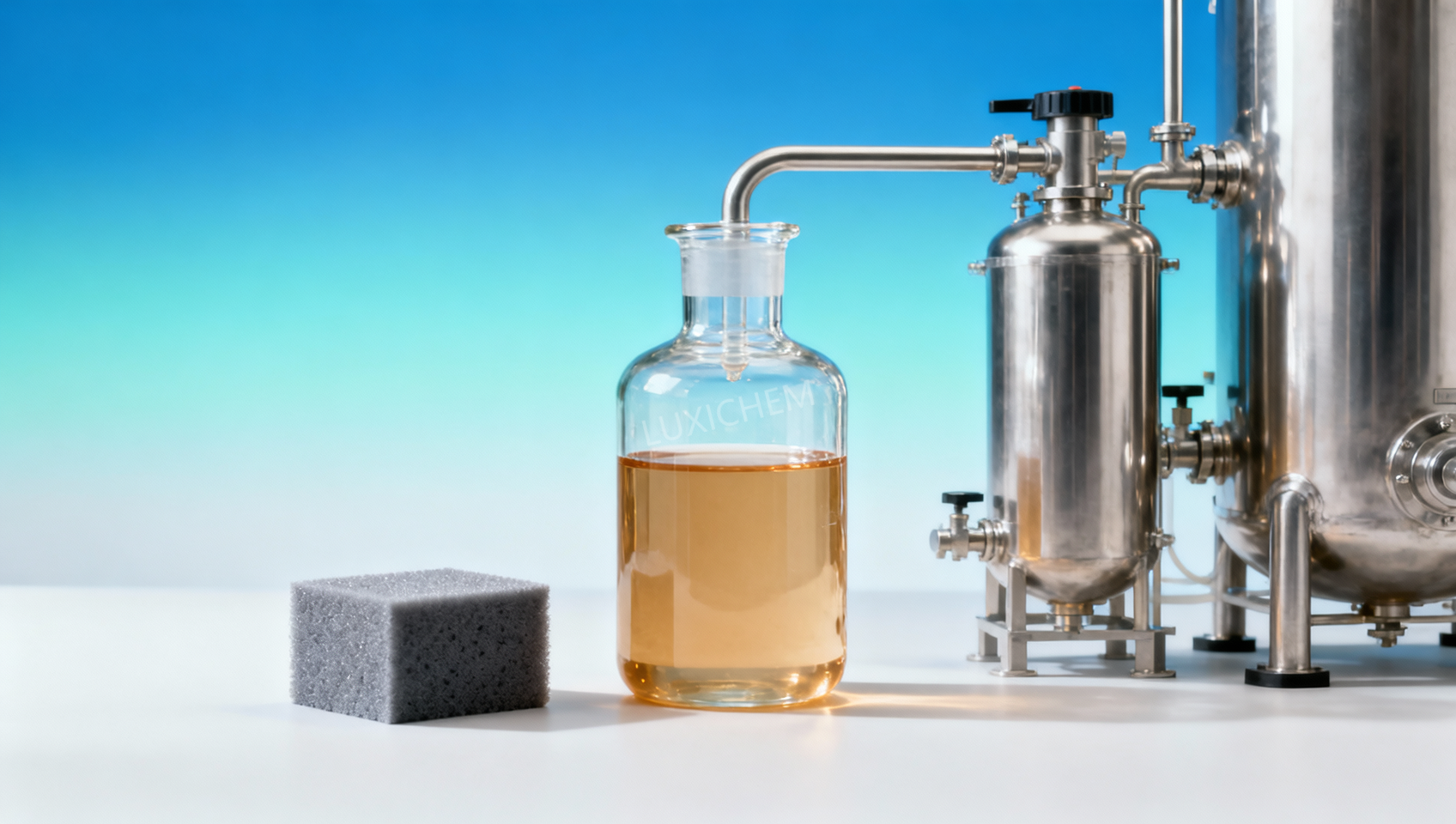
Odor in polyester polyol should be treated as a process-control signal, not merely a workplace nuisance. A stronger smell can indicate residual low-molecular-weight materials, thermal history, contamination, hydrolysis, or an upstream change that may later affect foam odor, reactivity, color, cell structure, or emissions. The most reliable way to reduce odor is to identify whether it originates in the incoming polyol, develops during storage, or is created after the polyol enters the polyurethane formulation.
Masking the smell with fragrances or unrelated additives is not an acceptable control method. It can complicate quality assessment, introduce incompatibility, and make downstream odor complaints harder to trace. Materials intended for entirely different applications, including plant-derived powders such as Puerarin CAS#3681-99-0, do not provide a technically valid solution for odor control in polyurethane raw materials. The useful approach is to reduce the volatile source while preserving the required hydroxyl value, acid value, viscosity, water content, and processing behavior of the polyester polyol.
Separate polyol odor from foam-system odor
The odor noticed near a foam line is not always caused by the polyester polyol. Polyurethane foam production combines polyol, isocyanate, catalysts, surfactants, blowing agents, pigments, flame retardants, and other additives. Tertiary amine catalysts are a frequent source of recognizable odor in finished foam. Some solvents, recycled components, and certain additives can also contribute more odor than the polyol itself.
A practical check starts with three separate observations:
- Smell a retained sample of the incoming polyester polyol at room temperature, using a clean and consistent sampling container.
- Compare it with a sample from the day tank, circulation loop, or feed line before blending.
- Compare the odor of an unreacted blend, freshly produced foam, and foam after a defined airing period.
If the sealed incoming material has a mild but consistent ester-like odor, while foam odor suddenly becomes sharp, amine-like, burnt, sour, or unusually persistent, the issue may lie in the formulation or processing conditions rather than in the polyester polyol itself. If odor increases after the material enters the plant tank, storage, transfer, or contamination should be investigated before requesting a change in polyol grade.
What odor can reveal about polyester polyol condition
Polyester polyols are produced through esterification or transesterification reactions involving acids or anhydrides and glycols, followed by controlled removal of water and, in many cases, finishing under reduced pressure. Their odor profile depends on the raw-material system, molecular-weight distribution, catalyst chemistry, finishing conditions, and packaging method.
Some odor is inherent to the chemistry. A low-level ester, glycol, or organic-acid note does not automatically mean the product is unsuitable for polyurethane foam. The concern begins when the odor differs materially from the approved reference sample, becomes stronger after storage, or appears together with changes in appearance or routine quality values.
Common odor patterns can provide useful direction, although smell alone is not a release test:
- Sharp acidic or sour odor: may point to residual acidity, hydrolysis, acid contamination, or degradation of ester bonds.
- Sweet, solvent-like, or glycol-like odor: can be associated with residual low-boiling glycols, reaction intermediates, or insufficient removal of volatiles.
- Burnt, smoky, or strongly chemical odor: can suggest excessive thermal exposure, oxidation, localized overheating, or contamination from a previous product.
- Rancid or stale odor developing in storage: may be linked to oxidation, moisture ingress, microbial contamination in water-containing auxiliary systems, or deposits in poorly cleaned equipment.
- Amine-like odor in foam but not in the polyol: often directs attention toward catalyst selection, dosage, imbalance in reaction conditions, or incomplete post-cure ventilation.
The key distinction is that odor is an indicator, while specifications determine whether the material remains chemically fit for use. Odor evaluation should therefore be paired with basic quality checks rather than used as a stand-alone acceptance decision.
Check the conditions that can create odor after delivery
A polyester polyol may leave the supplier within specification and still develop a different odor at the point of use. Long residence time, elevated storage temperature, repeated tank breathing, and contact with contaminated piping can alter the sensory profile even when the bulk material still looks normal.
Moisture ingress and hydrolysis
Moisture does not necessarily have a strong odor itself, but it can create conditions that promote hydrolysis of polyester bonds. Hydrolysis can increase acidity and generate lower-molecular-weight species that are more noticeable by smell. Water also affects polyurethane chemistry directly: it reacts with isocyanate, forms carbon dioxide, and can disturb density, cell opening, shrinkage, and foam surface quality.
Keep storage tanks, transfer hoses, sample points, and drum openings closed when not in use. Inspect desiccant breathers where installed and verify that they are suitable for the site humidity and tank design. Avoid leaving partially used drums open during shift changes. If a line is flushed or cleaned, ensure that all water and cleaning residues are removed before polyester polyol is introduced.
When odor is accompanied by a rise in water content or acid value, treat the finding as a material-stability issue rather than an odor-only issue. Continuing to use the batch without assessing foam performance can create avoidable production instability.
Excessive heat and oxygen exposure
Heating improves pumpability and can reduce viscosity-related transfer problems, but unnecessary heat accelerates oxidation and thermal degradation. Polyester polyols should be held only at the temperature range specified by the supplier for the relevant grade. A common operational mistake is maintaining a tank at an elevated temperature continuously because the material was difficult to pump during a previous cold period.
Review actual tank temperature rather than controller setpoint alone. Temperature stratification, faulty probes, poorly positioned heating coils, and inadequate agitation can create local hot zones. These zones may expose a small portion of material to significantly higher temperatures than the displayed average. A burnt or aged odor that is stronger near a tank bottom outlet or recirculation return can be a clue that local thermal stress is occurring.
For systems designed for inert-gas blanketing, maintain the specified blanket quality and pressure. Blanketing is not universally required for every polyester polyol, but where it is part of the storage design, loss of the protective atmosphere can increase exposure to air and moisture.
Contamination from equipment and handling
Odor changes are frequently traced to equipment rather than to the polyester polyol for polyurethane foam itself. Shared unloading lines, flexible hoses, transfer pumps, day tanks, filters, and return loops can retain traces of previous materials. Even small residues of amine catalyst, solvent, plasticizer, recycled polyol, cleaning agent, or degraded material can produce a noticeable odor.
Confirm product segregation before assuming a supplier-quality problem. Review the last material handled through shared equipment, the cleaning method used, whether a heel remained in the tank, and whether the first portion of transferred material was isolated or returned to the main tank. For critical low-odor foam grades, dedicated hoses and clearly controlled transfer routes are often more effective than attempting to correct odor after contamination has occurred.
Use test results to decide whether treatment is appropriate
If a material has an unusual odor, compare it against a retained conforming sample and examine the accompanying quality data. The most useful routine checks depend on the grade and application, but commonly include water content, acid value, hydroxyl value, viscosity, color, and appearance. A meaningful investigation compares the suspect sample with the approved reference using the same test method and temperature conditions.
A rise in acid value may support a hydrolysis or degradation hypothesis. A substantial viscosity shift can indicate molecular-weight change, contamination, or improper temperature comparison. Darkening may be consistent with excessive thermal exposure or oxidation, though color alone does not identify the mechanism. Gas chromatography, where available through a qualified laboratory, can help identify residual glycols, aldehydes, solvents, or other volatile components. Headspace analysis is particularly useful when a sensory difference is clear but routine specifications remain close to normal.
Do not assume that passing standard incoming tests means odor can be ignored. Conversely, do not reject a lot solely because its odor is different if all verified quality characteristics and foam trials remain acceptable. The right decision depends on the application. Foam used in enclosed interiors, bedding, vehicle components, footwear, or consumer-facing goods can have stricter odor expectations than foam used in less odor-sensitive industrial applications.
Methods that can reduce odor—and their limits
Corrective treatment should be selected only after the likely source is understood. Some methods reduce volatile compounds but can also change the polyol itself.
Vacuum stripping can reduce certain low-boiling residuals and odor-causing volatiles. However, it must be controlled carefully. Excessive temperature, long residence time, or overly aggressive vacuum can change composition, increase color, alter viscosity, or create further degradation products. It is a manufacturing or specialized rework operation, not a casual plant-floor remedy.
Drying under controlled conditions can be appropriate when elevated moisture is confirmed and the product remains otherwise recoverable. The drying process must avoid overheating and must be validated against the polyol specification. Removing water may improve both stability and polyurethane processing, but it will not eliminate odor caused by nonvolatile contaminants or severe oxidation.
Filtration is valuable for particulate contamination and gel removal, but it generally does not remove dissolved odor-causing molecules. Replacing filters may still be necessary if old deposits or contaminated filter housings are contributing odor, but filtration should not be presented as a universal deodorization solution.
Adsorbents such as activated carbon may remove some odor-active compounds in selected liquid systems, yet they can also introduce fines, alter color, adsorb useful components, or create variability. Their use requires compatibility testing and post-treatment verification. Uncontrolled addition directly to a production tank is a poor practice for a polyurethane raw material.
Blending a suspect batch with acceptable material can dilute odor, but dilution is not correction. It should not be used to hide a quality deviation. Blending is only defensible when the cause has been identified, material compatibility is confirmed, and the resulting blend is tested against the applicable product and foam requirements.
Prevent odor from becoming a recurring production problem
The most effective control point is before the polyol reaches the foam machine. Establish a reference sample for each approved grade and retain it under appropriate conditions. When a new delivery is opened, compare appearance and odor under a consistent internal procedure, then record tank number, batch identification, unloading route, temperature, and any unusual observations. This makes it easier to distinguish a supplier-lot difference from an on-site handling issue.
Day tanks deserve particular attention because they often experience more heating, air contact, and turnover variation than bulk storage. Avoid keeping more material in a heated day tank than production requires. Reduce stagnant zones, inspect recirculation loops, and remove aged residues during planned maintenance. When changing grades, verify that the system is adequately cleared, especially if moving between standard foam materials and low-odor formulations.
At the foam line, monitor odor together with process observations. A new odor accompanied by faster cream time, altered rise profile, irregular cells, unusually high foam temperature, or changed demold behavior points toward a broader formulation or reactivity issue. A stable process with odor limited to freshly produced foam may instead require review of catalyst package, cure conditions, ventilation, and post-production airing time.
Low odor is not achieved by one corrective action. It depends on preserving polyester polyol quality from manufacture through storage and conversion, while ensuring that the rest of the polyurethane formulation does not become the dominant odor source. When odor is treated as a traceable quality variable rather than a cosmetic defect, corrective action becomes more precise and foam performance is less likely to be compromised.
Related Picks
 Butylated Hydroxytoluene Price Drivers: Supply, Purity, and Purchasing Risk FactorsOct 21, 2026Butylated Hydroxytoluene price trends depend on supply stability, purity, logistics, and purchasing risk. Learn how to compare quotes wisely and reduce sourcing costs.
 Sodium Tripolyphosphate Price Trends: Raw Material and Energy ExposureOct 20, 2026Explore sodium tripolyphosphate price trends, from phosphate and soda ash costs to energy exposure. Learn how to compare quotes, manage sourcing risks, and make smarter purchasing decisions.
 Acetonitrile Shipment to Vietnam Successfully Dispatched; RCEP Benefits Boost Fine Chemical Trade with ASEANSep 16, 2026A shipment of industrial-grade acetonitrile from our company has recently been loaded and dispatched following the completion of standardized hazardous material packaging and container securing procedures.
 Nigerian Client’s Order of 4 Containers of Vinyl Acetate Successfully Loaded and Shipped to West AfricaSep 16, 2026We recently completed the loading of a vinyl acetate order for a Nigerian client; four containers of the product have been successfully packed and are ready for shipment to Nigeria.




Question Consultation
Send Us Your Inquiry Today

Luxi Chemical is a professional chemical product supplier with ample stock of all chemical categories and excellent quality, welcome your purchase inquiry.

