


When aromatic polyester polyol is the right choice for insulation
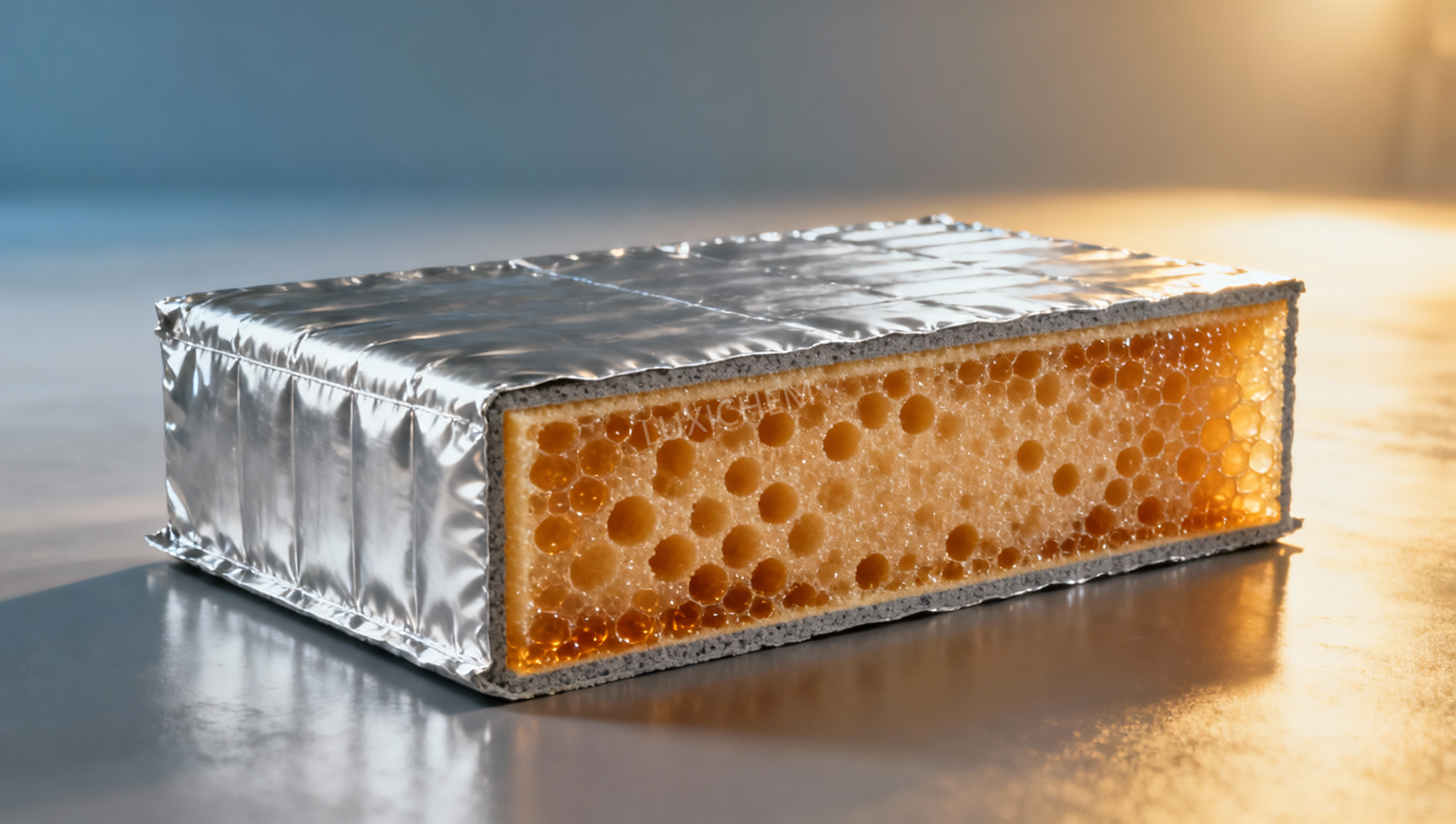
Selecting a polyol for rigid polyurethane (PUR) or polyisocyanurate (PIR) insulation is rarely a simple “higher performance is better” decision. The choice affects thermal conductivity, foam strength, fire behavior, dimensional stability, processing latitude, raw-material economics, and even the consistency of production across seasons. For technical evaluators, the useful question is not whether aromatic polyester polyol is generally good, but whether its particular strengths match the insulation system being designed.
Aromatic polyester polyol is often the right choice when an insulation formulation must deliver a rigid, highly crosslinked foam structure with dependable thermal performance and strong resistance to heat-related deformation. It is widely considered in boardstock, sandwich panels, appliance insulation, roofing systems, pipe sections, refrigerated transport, and PIR-based products where demanding thermal and fire-performance targets shape the formulation from the beginning.
Its suitability, however, depends on the whole system: isocyanate type and index, blowing-agent package, catalyst balance, surfactant selection, filler loading, production equipment, facing material, and the final product’s service environment. A good evaluation therefore begins with application priorities rather than with a single specification sheet.
What makes aromatic polyester polyol different?
Aromatic polyester polyols are polyester-based materials containing aromatic structures in their molecular backbone. Compared with many polyether polyols, they generally have relatively high functionality, lower hydroxyl equivalent weights, and a chemical architecture that supports the formation of a dense, rigid polymer network. Those characteristics are especially valuable in closed-cell rigid foam applications.
When reacted with an appropriate isocyanate, aromatic polyester polyol contributes to a foam that is structurally firm and resistant to creep or distortion under practical service conditions. In PIR systems, its aromatic content also works naturally with the high-isocyanate-index chemistry used to create isocyanurate structures. This does not mean the polyol alone determines fire performance; facings, density, additives, thickness, test method, and system design all matter. Still, it can provide a strong starting point for formulations where fire-related performance is a major design consideration.
The material is not a universal replacement for every polyol. Flexible foams, elastomeric applications, highly resilient products, and systems requiring exceptional low-temperature flexibility may favor other chemistries. The decision becomes clearer when the insulation product is assessed through its actual operating demands.
Choose it when rigidity and dimensional control are non-negotiable
Insulation products often look stable when they leave the production line but face a much harder reality during storage, installation, temperature cycling, and long-term operation. A panel that warps, shrinks, or loses adhesion to its facing can create costly downstream issues even when its initial insulation value appears acceptable.
Aromatic polyester polyol is a strong candidate where the foam must retain shape under elevated temperature exposure or mechanical load. Its crosslinked structure can support compression strength and dimensional stability in rigid boards, composite panels, and appliance insulation. This is particularly relevant when the finished product will be bonded to metal, foil, paper, glass-fiber, or multilayer facings, since movement in the foam core can put stress on the whole assembly.
Technical teams should look beyond a single compressive-strength result. Useful evaluation points include:
- Dimensional change after exposure to high and low temperatures;
- Stability at controlled humidity conditions;
- Core-to-facing adhesion after aging;
- Cell uniformity across the foam thickness;
- Density distribution between panel center and edge;
- Behavior after cutting, machining, or installation stress.
If these factors drive warranty risk or installation quality, a polyester-rich rigid foam formulation may justify its additional formulation attention.
When thermal insulation needs to remain dependable over time
The thermal performance of rigid foam insulation is influenced by cell size, closed-cell content, blowing-agent retention, density, and formulation balance. Aromatic polyester polyol is frequently selected for systems designed to achieve fine, closed-cell morphology. In practical terms, this supports low thermal conductivity and helps the foam maintain its insulating role rather than merely providing bulk thickness.
For a technical evaluator, the key distinction is between initial and aged thermal performance. A formulation can produce an attractive laboratory result immediately after manufacture yet behave differently after thermal aging or exposure to real operating conditions. The polyol choice should therefore be assessed together with the blowing agent, surfactant, catalyst package, and production conditions that govern cell formation.
Consider aromatic polyester polyol when the project involves cold-chain equipment, refrigerated warehouses, insulated containers, appliance cabinets, or building envelope products where small changes in heat transfer can become meaningful over a large surface area or a long service period. In these applications, stable foam morphology has commercial consequences: energy use, condensation control, equipment efficiency, and regulatory compliance may all be affected.
It is wise to request comparative foam data generated under conditions close to the intended production process. Bench-scale samples are useful, but they do not always reveal the influence of mix-head pressure, mold temperature, conveyor speed, laydown pattern, or panel thickness.
Fire-performance priorities often point toward polyester-based systems
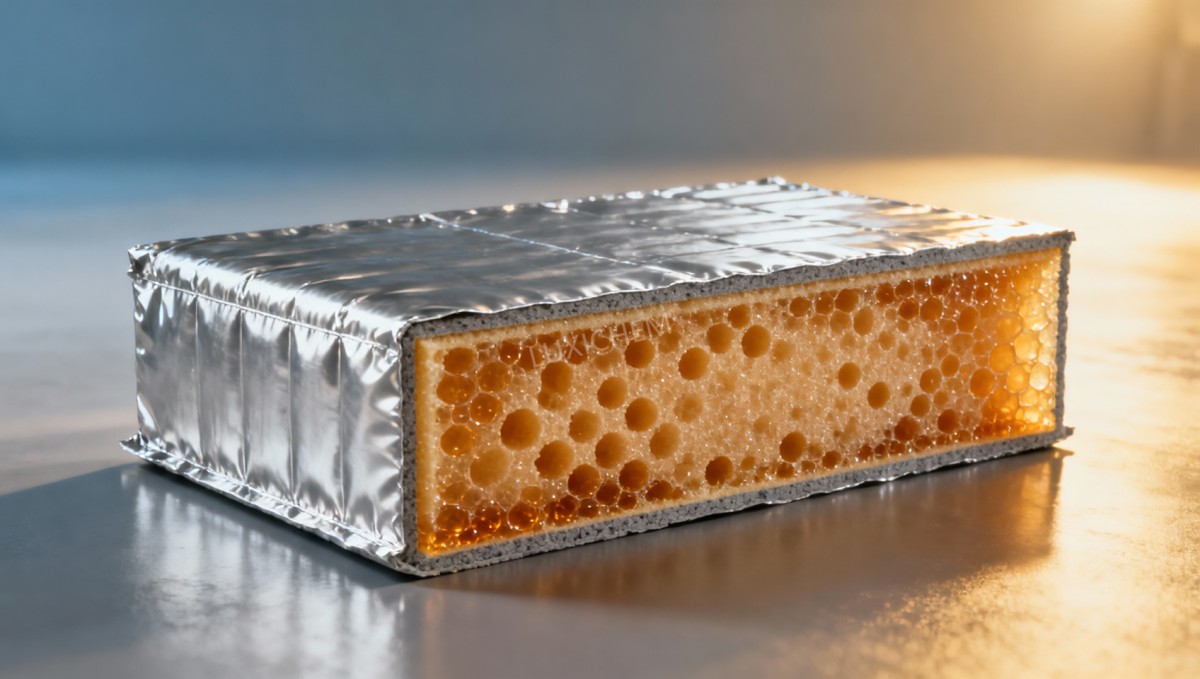
Where insulation must meet more demanding fire-performance expectations, aromatic polyester polyol is commonly part of the formulation discussion. Its aromatic chemistry can support char formation and can be advantageous in rigid PIR and certain PUR systems compared with more aliphatic or flexible polyol structures.
Yet this is an area where over-simplification causes expensive mistakes. Fire classification is a property of the complete construction, not of a polyol in isolation. A board’s response can change with facing type, foam density, laminate design, flame retardant selection, joint configuration, installation method, and test standard. A formulation that performs well in one test arrangement may not qualify in another.
For that reason, evaluators should treat aromatic polyester polyol as a useful chemical platform rather than a guarantee of certification. Ask whether the intended foam is PUR or PIR, what isocyanate index is practical, whether the chosen flame-retardant package affects processing, and how the final composite will be tested. The earlier these questions are addressed, the less likely a project is to reach the pilot stage with an unworkable fire strategy.
Processing behavior: the benefits come with formulation discipline
The same reactivity and functionality that make aromatic polyester polyol attractive for rigid foam can narrow the processing window. Viscosity, hydroxyl value, acid value, moisture content, compatibility with the blowing agent, and storage temperature can all influence mixing and foam rise. A formulation that is robust in a controlled laboratory environment may become inconsistent if raw materials arrive at different temperatures or if moisture control is weak.
This does not make the chemistry difficult by default; it means the process should be designed around it. In many facilities, dependable results come from close control of component temperatures, accurate metering, validated catalyst levels, and routine checks on incoming material properties. For discontinuous panels or molded appliance parts, cream time, gel time, tack-free time, and demold time need to suit the equipment cycle. For continuous boardstock, flow, rise profile, and cure development must align with conveyor speed and laminate handling.
A practical supplier discussion should cover more than nominal hydroxyl value. Technical teams should ask for lot-to-lot consistency expectations, recommended storage conditions, compatibility guidance, and information on whether the material has been evaluated with the planned blowing-agent family. This is particularly important when transitioning away from older blowing agents or revising formulations to meet environmental requirements.
Moisture sensitivity and hydrolysis risk deserve an honest review
Polyester polyols can be more sensitive to water exposure than some polyether alternatives. Excess water is not merely a storage issue: it can affect reaction balance, generate additional carbon dioxide, alter cell structure, and create variability in foam density or dimensional behavior. Depending on the chemistry and conditions, hydrolytic degradation can also become relevant in humid-service environments.
This concern should not automatically rule out aromatic polyester polyol. Rather, it should shape the qualification plan. Products intended for dry building-envelope service may have a different risk profile from insulation used in humid processing rooms, chilled areas with condensation exposure, or equipment that experiences repeated temperature cycling. Assess the entire assembly, including vapor barriers, facing permeability, edge sealing, and likely moisture pathways.
Good warehouse practice matters as well. Keep containers properly sealed, avoid prolonged storage at unsuitable temperatures, and establish a clear procedure for sampling and handling opened drums or bulk tanks. Technical problems attributed to “foam chemistry” are sometimes traceable to preventable moisture pickup before the material reaches the mix head.
Compare aromatic polyester polyol with alternatives by application, not by label
Polyether polyols remain important in rigid polyurethane insulation and may be preferred when lower viscosity, improved flow, flexibility, or hydrolytic stability is especially valuable. In many commercial formulations, the most effective route is not an all-or-nothing choice. Blends of aromatic polyester polyol and polyether polyol can balance rigidity, adhesion, reactivity, friability, and processing latitude.
The right blend ratio depends on the end use. A thin, complex appliance cavity may prioritize flow and fill. A roofing board may place greater weight on compressive strength, thermal stability, and the performance of the finished laminate. A PIR panel may target high index and fire performance while still requiring reliable line speed and a clean surface finish.
Do not compare materials only by price per kilogram. A lower-cost polyol can become less economical if it requires more catalysts, causes higher scrap rates, slows production, reduces yield, or complicates fire-performance design. Conversely, a premium-grade aromatic polyester polyol is not automatically justified if the end product does not need its full performance profile. Total formulated cost, throughput, quality consistency, and qualification effort are more meaningful measures.
A short qualification framework for technical evaluators
Before approving a new source or grade, define the performance envelope that the insulation product must meet. Then test the polyol within a realistic formulation rather than as an isolated chemical. A structured evaluation normally includes incoming-property checks, small-scale formulation screening, pilot processing, aging studies, and validation of the final composite or finished article.
At minimum, review hydroxyl number, viscosity at an agreed temperature, acid value, water content, color, and appearance. Confirm whether the supplier’s test methods and reporting basis match your internal specifications. During foam trials, monitor reaction profile, free-rise density, core density, cell structure, compressive behavior, adhesion, and thermal performance. Where relevant, include friability, dimensional stability, fire testing, and emissions or odor assessments required by the application.
Some formulators also use pigments or functional additives in coatings, facings, adhesives, or other parts of an insulation assembly. These materials should be evaluated separately from the polyol decision because they may influence UV durability, appearance, rheology, or coating opacity without replacing foam-chemistry controls. For projects that also require a white pigment or additive for associated materials, Titanium dioxide CAS#13463-67-7 is available in rutile, anatase, nano, and micro grades for applications such as coatings, plastics, adhesives, and related industrial products.
The decision in practical terms
Aromatic polyester polyol is the right choice for insulation when the system needs a rigid foam backbone, stable closed-cell structure, strong dimensional retention, and a formulation pathway suited to demanding thermal or fire-performance objectives. It is especially relevant for PUR and PIR insulation where long-term product reliability matters as much as initial foam appearance.
It may be less suitable as the sole answer when very high flow, low-temperature flexibility, or moisture tolerance outweigh rigidity and thermal stability. In those cases, a polyether alternative or a carefully engineered blend may offer a more balanced result.
For global sourcing and formulation work, Luxi Chemical (Shandong) Co., Ltd. supports customers with chemical raw materials and related procurement services across diverse industrial applications. The most productive supplier relationship is one built around measurable requirements: define the insulation target, identify processing constraints, verify documentation, and qualify the material in the actual system that will go to market. That approach turns polyol selection from a purchase decision into a controlled engineering decision.
Related Picks
 Butylated Hydroxytoluene Price Drivers: Supply, Purity, and Purchasing Risk FactorsOct 21, 2026Butylated Hydroxytoluene price trends depend on supply stability, purity, logistics, and purchasing risk. Learn how to compare quotes wisely and reduce sourcing costs.
 Sodium Tripolyphosphate Price Trends: Raw Material and Energy ExposureOct 20, 2026Explore sodium tripolyphosphate price trends, from phosphate and soda ash costs to energy exposure. Learn how to compare quotes, manage sourcing risks, and make smarter purchasing decisions.
 Acetonitrile Shipment to Vietnam Successfully Dispatched; RCEP Benefits Boost Fine Chemical Trade with ASEANSep 16, 2026A shipment of industrial-grade acetonitrile from our company has recently been loaded and dispatched following the completion of standardized hazardous material packaging and container securing procedures.
 Nigerian Client’s Order of 4 Containers of Vinyl Acetate Successfully Loaded and Shipped to West AfricaSep 16, 2026We recently completed the loading of a vinyl acetate order for a Nigerian client; four containers of the product have been successfully packed and are ready for shipment to Nigeria.




Question Consultation
Send Us Your Inquiry Today

Luxi Chemical is a professional chemical product supplier with ample stock of all chemical categories and excellent quality, welcome your purchase inquiry.

