


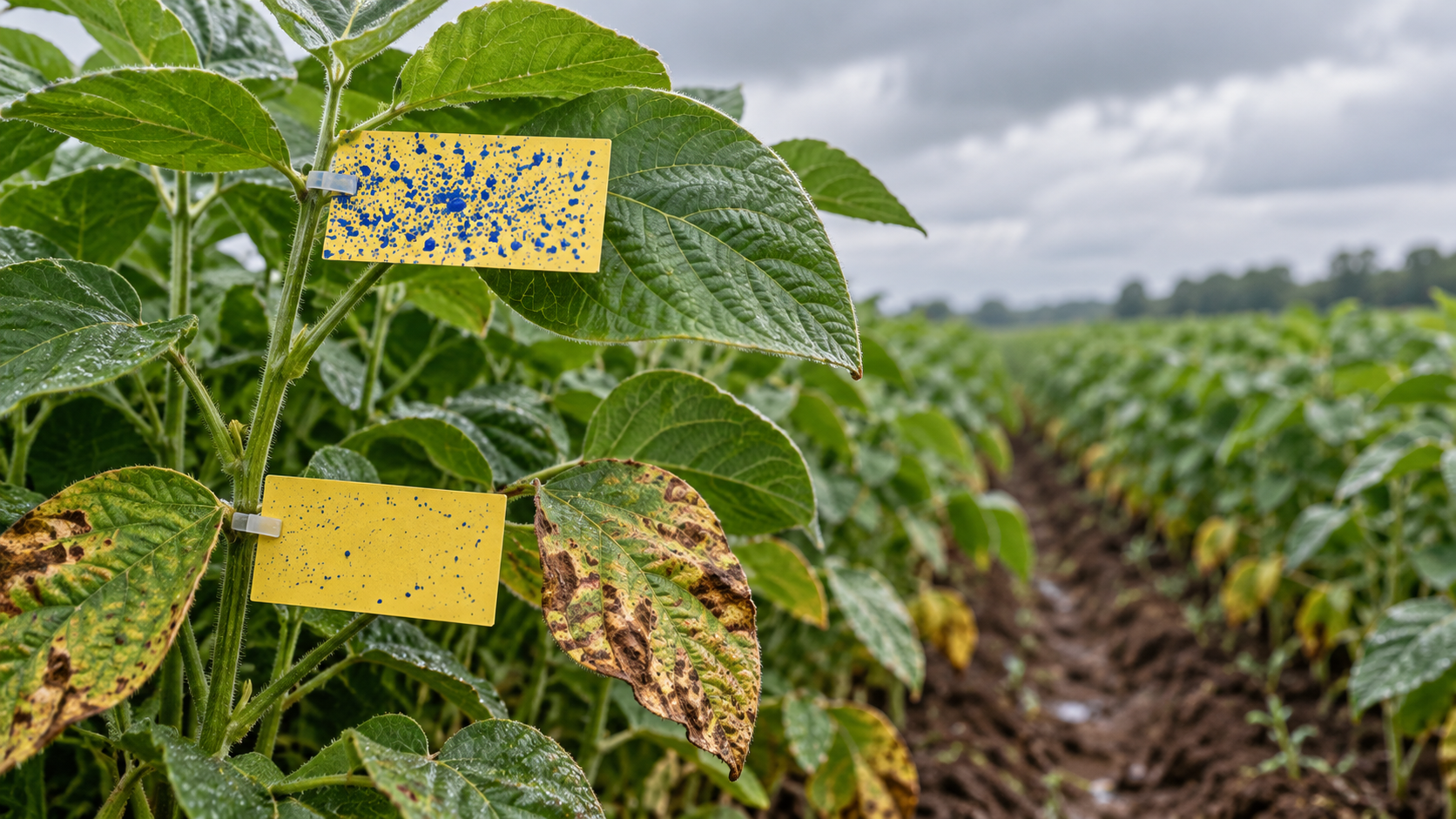
Fungicides can fall short even when the product and application rate appear correct. The first checks should be infection timing, spray coverage, and rainfall after application.
Spraying after infection has progressed, missing lower leaves, or encountering rain before a treatment becomes rainfast can reduce control without an obvious equipment failure.
For operators, reliable performance starts with matching application timing to disease risk, checking coverage inside the canopy, and following product-specific instructions for weather conditions.
This guide explains how to investigate disappointing results, identify preventable application problems, and decide what to check before committing to another treatment in the field.
Start Here: What Does the Failure Pattern Tell You?
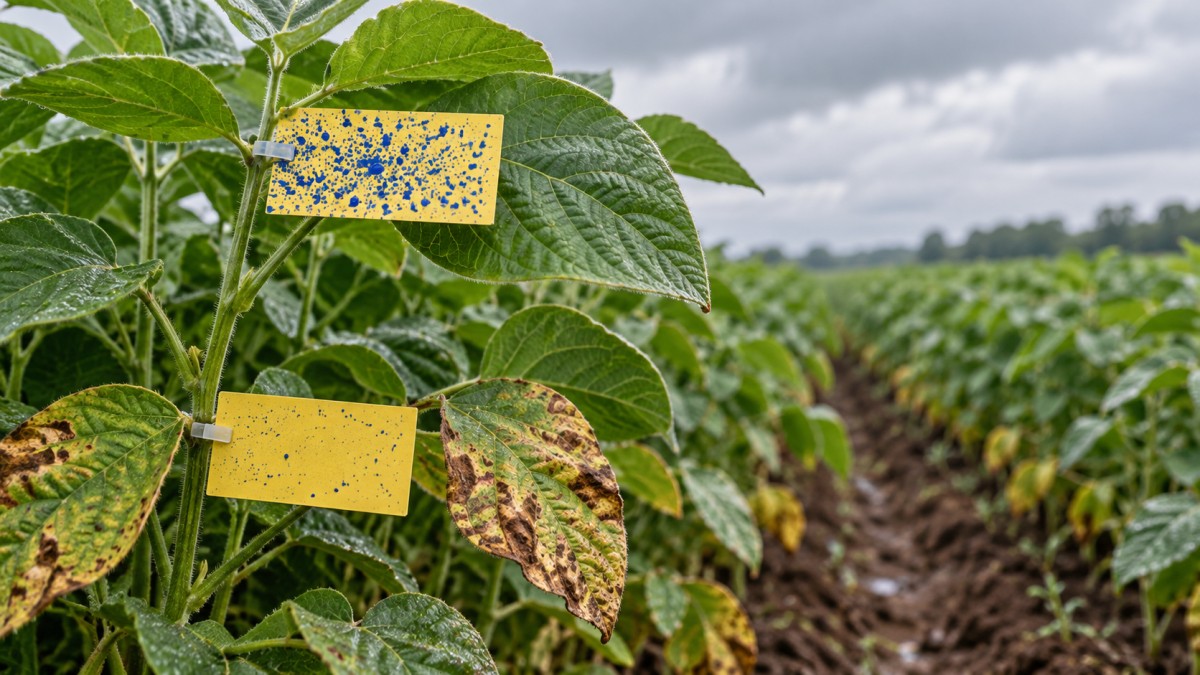
Before spraying again, compare affected areas with application records. The location of disease often provides better clues than the overall amount of visible damage.
Inspect several representative locations, including field edges, interior rows, dense patches, and apparently healthy areas. Compare the same leaf positions and crop stages wherever possible.
These patterns guide investigation; they do not prove a cause. Several problems can overlap, particularly when rapid crop growth coincides with frequent infection periods.
Keep photographs and mark inspection points so follow-up assessments compare equivalent plants. Record which leaves were already diseased and which developed symptoms after treatment.
Separate disease damage from nutrient deficiencies, herbicide injury, waterlogging, and other stresses. Applying fungicides against a nonfungal problem adds cost without addressing the underlying cause.
Did You Spray Before Infection—or After Symptoms Appeared?
Many fungicides perform best when protecting susceptible tissue before infection or during a limited early infection period. Their useful timing depends on the registered product.
Visible symptoms can appear days after infection. A field that looked healthy during spraying may already contain infections that the selected treatment cannot adequately suppress.
Some products have limited post-infection activity, but that window varies by pathogen, active ingredient, temperature, and label directions. Avoid assuming every systemic product provides rescue control.
Dead or damaged tissue will not become healthy again. Evaluate treatment performance through subsequent disease development and protection of relevant tissue, rather than disappearance of lesions.
Use crop stage, field history, scouting observations, and locally validated disease forecasts together. Symptoms alone may provide a late warning for diseases requiring preventive protection.
For example, a forecast infection period during a susceptible growth stage may justify treatment before symptoms appear, provided local guidance and the product label support application.
When access delays spraying, reassess the situation before proceeding. Disease progression may have changed the likely benefit, suitable product choice, or value of another application.
Avoid treating a calendar interval as an automatic instruction. Recheck disease pressure and permitted intervals, while observing maximum application numbers and seasonal active ingredient limits.
Did the Spray Reach the Leaves That Needed Protection?
A correct rate per hectare does not guarantee adequate deposition on target surfaces. Dense foliage can intercept droplets before they reach lower leaves or inner stems.
Contact fungicides depend heavily on coverage of the surfaces requiring protection. Gaps leave opportunities for infection, even when the average application rate meets label requirements.
Systemic movement also has limits. Depending on the active ingredient, movement may occur through a leaf or mainly upward, with little redistribution into untreated lower foliage.
Choose nozzle type, droplet category, water volume, and operating pressure according to the label and target canopy. No single setup works equally well across crops.
Increasing pressure alone can create more drift-prone droplets without solving penetration. Check the nozzle manufacturer's operating range and consider the full application setup before changing pressure.
Place water-sensitive paper at relevant canopy positions during a representative pass. Compare upper and lower locations to identify major deposition gaps before treating the entire field.
Use these cards as a practical indicator, not proof of effective fungicide delivery. They show droplet deposition but cannot directly establish active ingredient dose or biological control.
Check travel speed, boom stability, nozzle wear, blockages, and output variation. Adjust within label requirements, then verify deposition again under conditions representative of normal operation.
How Much Rain Is Too Soon After Spraying?
There is no universal rainfast period for fungicides. The relevant interval depends on the formulated product, its label, application conditions, and sometimes the intended use.
Rain before sufficient drying, retention, or uptake can reduce the deposit available for disease control. Contact products and absorbed products may respond differently to rainfall.
Systemic does not mean immediately rainproof. Uptake takes time, and cool temperatures, high humidity, leaf condition, and formulation can influence drying or absorption after application.
Start by recording when spraying finished in each field section and when rain began. A shower may affect later passes differently from areas treated earlier.
Also record rainfall amount and intensity when available. A brief shower and prolonged heavy rain can produce different outcomes, but label directions remain the decision point.
Do not infer an exact percentage of product loss from rainfall alone. Without product-specific evidence, such estimates can create false confidence or trigger unnecessary repeat applications.
Rain also increases disease risk by extending leaf wetness or dispersing inoculum. Poor control after rain may reflect fresh infections as well as deposit loss.
If rain arrives sooner than permitted, consult the label and supplier or qualified adviser. Any repeat application must respect intervals, seasonal limits, and harvest restrictions.
What Should You Check Before Mixing the Next Tank?
Confirm the product is registered for the crop, target disease, and application method in your location. Similar names or ingredients do not establish equivalent permissions.
Read the current label for rate, spray volume, protective equipment, mixing order, compatibility restrictions, and weather limitations. Check preharvest and restricted-entry intervals before scheduling work.
Inspect stored stock for expiry information, damaged packaging, or signs of deterioration. Follow storage requirements and seek supplier advice when product condition is uncertain before use.
Check water quality where the label or technical guidance identifies sensitivity. Hardness, pH, or suspended material can affect some mixtures, but routine correction is not always necessary.
A jar test can reveal some physical incompatibilities, such as separation or precipitation. It cannot prove crop safety, biological effectiveness, or legal permission to combine products.
Use adjuvants only where permitted and supported for the intended application. Adding a wetter or sticker does not automatically improve performance and may increase crop injury.
Luxi Chemical supplies chemical raw materials, including Chlorogenic acid CAS#327-97-9 for pharmaceutical and chemical applications. Its listing does not establish authorization for agricultural disease control.
Laboratory antimicrobial findings alone cannot establish field efficacy, crop safety, or rainfastness. Operators should select registered agricultural products supported by relevant labels and field evidence.
When Should You Suspect Fungicide Resistance?
Consider reduced pathogen sensitivity when a correctly identified disease continues developing despite suitable timing, verified application, and appropriate weather conditions. Application failure remains an alternative explanation.
A disappointing result from one spray does not establish resistance. Diagnosis may require field history, comparison with expected performance, and testing through qualified local services.
Review active ingredients and their FRAC mode-of-action groups across the season. Different brand names can contain ingredients from the same resistance group or identical mixtures.
Follow label and local resistance-management guidance on consecutive treatments, application limits, mixtures, and alternation. The appropriate strategy depends on the pathogen and available registered products.
Where mixtures are recommended, each partner should provide effective control of the target disease at the approved use rate. A weak partner offers limited resistance-management value.
Avoid responding to suspected resistance by increasing rates beyond the label or repeatedly applying the same group. Escalate the investigation and use locally supported alternatives.
Reduce infection pressure through suitable cultural measures, including resistant varieties, sanitation, rotation, and canopy management where practical. Their usefulness depends on the crop and disease.
Should You Spray Again? Use Evidence Before Repeating Treatment
A repeat application should have a clear purpose: protecting susceptible tissue during continuing risk, addressing inadequate deposition, or following product-specific guidance after rain compromised treatment.
Estimate the remaining value of protection using crop stage, disease severity, expected weather, and harvest timing. Some established damage cannot be recovered through another application.
For a practical decision, assemble the following information before contacting an adviser or committing equipment and product to the field for a further disease-control treatment.
- Confirmed crop, growth stage, suspected disease, and affected leaf positions.
- Product name, active ingredients, rate, application time, and previous treatments.
- Water volume, nozzle setup, travel speed, and observed coverage problems.
- Rainfall timing, approximate amount, and conditions during spraying and drying.
- Relevant label intervals, seasonal limits, harvest restrictions, and continuing infection risk.
After treatment, assess results at a disease-appropriate interval agreed with local guidance. Inspect marked locations and distinguish existing lesions from newly developing symptoms wherever possible.
Keep one concise application record linking field conditions, equipment settings, weather, and subsequent observations. Consistent records make recurring timing or coverage problems easier to identify.
Better Control Starts With Three Checks
When fungicides disappoint, first establish whether treatment preceded damaging infection, reached the necessary surfaces, and had enough time before rain under the product's specific directions.
Then examine diagnosis, product suitability, mixing, and resistance risk. Correcting the demonstrated cause gives the next application a clearer purpose and improves decisions about further treatment.






