


Insecticides price sensitivity analysis for smallholder wheat farms in Southeast Asia
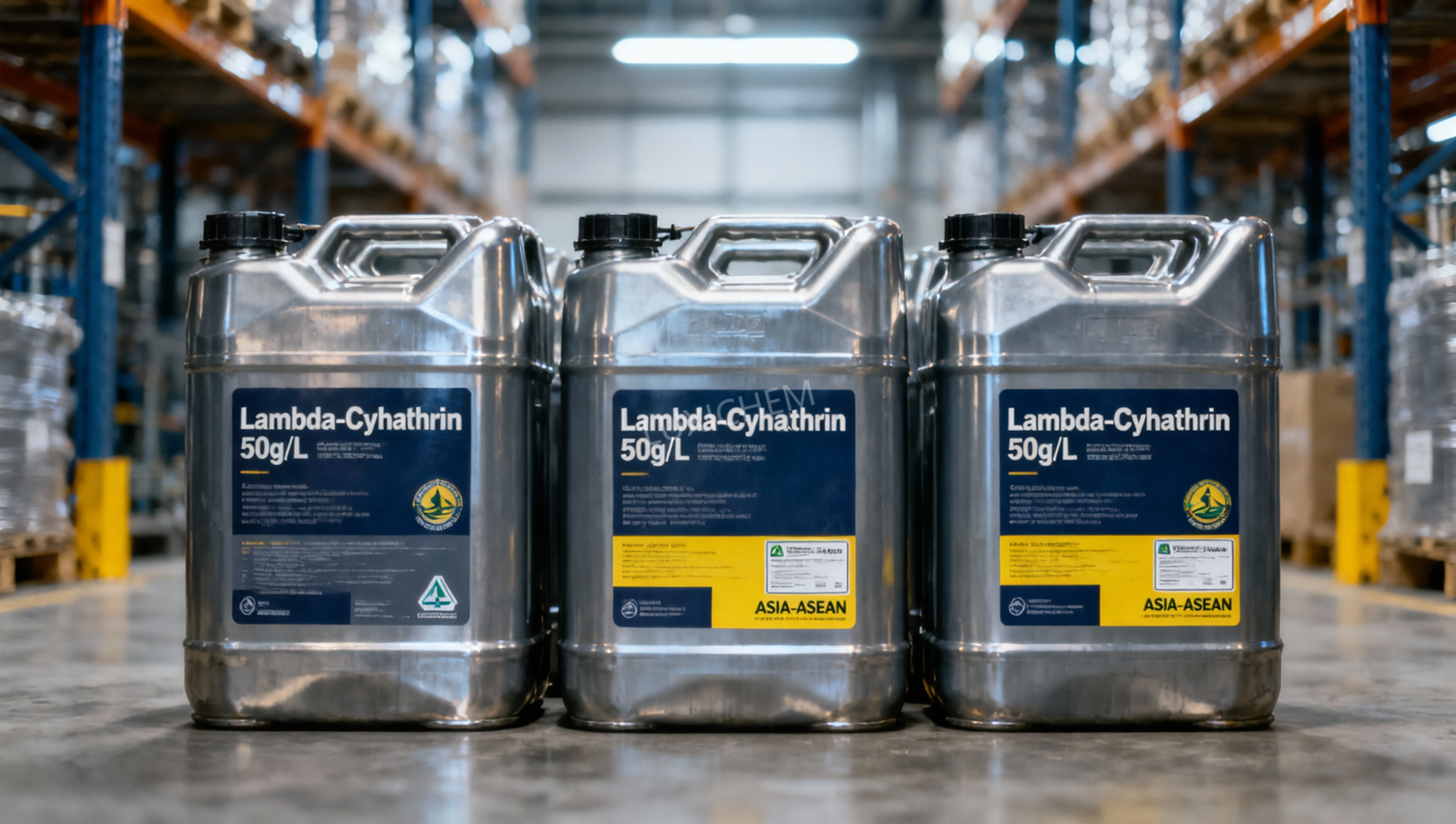
Why Insecticides Price Isn’t Just a Line Item for Smallholder Wheat Farms in Southeast Asia
For agribusinesses sourcing inputs across Cambodia, Laos, Vietnam, and parts of Myanmar, the phrase “insecticides price” carries more weight than it does on a procurement spreadsheet. It’s not just about cost per liter or kilogram—it’s about timing, substitution risk, regulatory tolerance, and how quickly a price spike erodes margins already compressed by fragmented landholdings, variable rainfall, and limited access to credit.
Smallholder wheat production remains marginal in most of Southeast Asia—but where it exists (notably in highland zones of northern Vietnam, eastern Thailand, and upland areas of Laos), pest pressure is acute and seasonally unpredictable. Aphids, cereal leaf beetles, and stem borers don’t wait for budget cycles. And when insecticides price shifts—whether from raw material volatility in China, port congestion in Singapore, or sudden registration suspensions—the ripple effect hits input distributors, cooperatives, and ultimately, farmers who often apply products without calibrated sprayers or training.
Three Drivers Behind Today’s Insecticides Price Sensitivity
Unlike bulk commodities traded on open exchanges, agricultural insecticides operate in a semi-transparent corridor shaped by three interlocking forces:
Supply chain rigidity. Most active ingredients used in regional wheat protection—like imidacloprid, lambda-cyhalothrin, or chlorpyrifos alternatives—are synthesized in East Asia, then formulated locally or regionally. A single customs delay in Ho Chi Minh City or a shift in India’s export policy on technical-grade intermediates can tighten availability within weeks—not months. That compression rarely translates into proportional cost increases upstream, but downstream, distributors absorb lag, buffer stock, or pass through uncertainty as premium pricing.
Regulatory fragmentation. ASEAN member states maintain distinct pesticide registration timelines, residue limit frameworks (MRLs), and banned-substance lists—even for identical molecules. A product compliant in Thailand may require re-registration in Laos, adding 6–12 months and $20k–$50k in dossier costs. Those compliance overheads aren’t itemized on invoices, but they’re baked into landed cost—and priced in.
Input substitution asymmetry. When insecticides price rises, farmers don’t simply switch to another brand. They scale back application frequency, dilute concentrations beyond label rates, or skip treatments entirely—especially during early tillering, when pest thresholds are hard to diagnose. Yield loss isn’t linear; it’s stepwise, with late-season infestations causing disproportionate damage. That makes price elasticity less about demand curves and more about behavioral thresholds—something procurement models rarely capture.
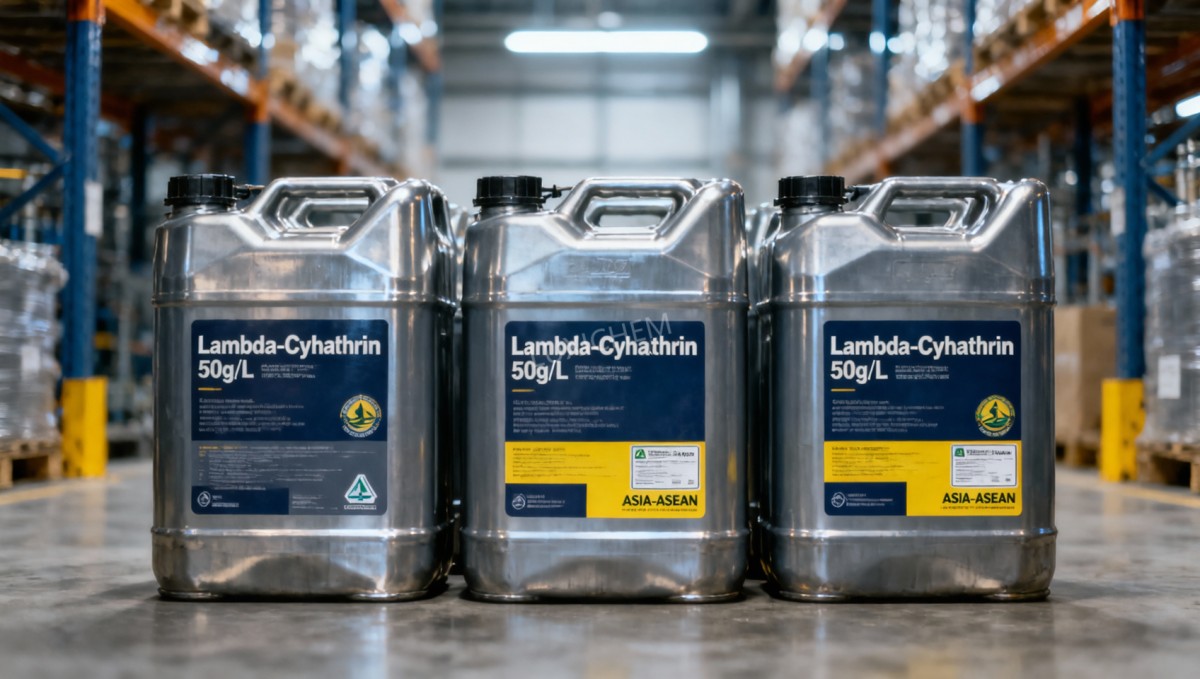
What Stability Actually Looks Like—Beyond “Fixed Pricing”
Stable insecticides price doesn’t mean static list prices. It means predictable cost structures across order volumes, delivery windows, and regulatory contingencies. At Luxi Chemical (Shandong) Co., Ltd., we treat stability as a function of transparency—not promises. That includes clear visibility into formulation-grade purity benchmarks, batch-to-batch consistency in active ingredient content, and documented alignment with ASEAN harmonized standards where applicable.
Our role isn’t to compete on headline price alone. It’s to reduce hidden friction: consolidating logistics across multiple SKUs, pre-clearing documentation for key markets, and maintaining buffer inventory in regional hubs like Bangkok and Ho Chi Minh City. For distributors serving smallholders, that means fewer stockouts during peak planting, fewer last-minute reformulations due to API shortages, and more reliable forecasting for working capital planning.
This approach extends beyond agriculture. In pharmacological research, for example, consistency matters just as much—whether you’re screening plant-derived compounds for neuroactivity or validating antioxidant mechanisms. TETRAHYDROPALMATINE HYDROCHLORIDE CAS#6024-85-7, derived from the traditional Chinese herb Corydalis, exemplifies how source fidelity and analytical traceability support reproducible outcomes—whether in rat-model cardiovascular studies or field-level insecticide trials.
Where Data Falls Short—and What to Watch Instead
Publicly available insecticides price indices for Southeast Asia remain sparse, inconsistent, or aggregated at national levels that mask provincial variation. A “Vietnam average” obscures the 20–30% premium common in mountainous provinces where transport adds 15–20% to landed cost. Similarly, “regional MRL updates” rarely specify implementation timelines—or enforcement patterns.
Instead of chasing benchmarks, forward-looking partners monitor three quieter signals:
- API export license renewals from major Chinese producers (e.g., changes in approval scope for neonicotinoid precursors)
- Port dwell time trends at key transshipment nodes—especially Tanjung Pelepas and Laem Chabang
- Local extension service advisories: shifts in recommended application windows often precede pricing adjustments, as they reflect real-time pest pressure and resistance monitoring
None of these are perfect predictors. But together, they offer a more grounded basis for procurement timing than any headline price index.
Not All “Compliant” Products Deliver Equal Resilience
Compliance is necessary—but insufficient. A product registered in five ASEAN markets may still face formulation instability under tropical humidity, or degrade faster in polyethylene containers exposed to monsoon sun. That affects shelf life, field efficacy, and ultimately, effective cost per hectare applied—not just invoice price.
Luxi Chemical’s portfolio includes formulations validated for Southeast Asian storage conditions and application practices—not just lab-tested for active ingredient content. We work with regional partners to co-develop packaging suited to smallholder handling, and provide technical support aligned with local agronomy calendars, not just datasheets.
Next Steps Aren’t About “Choosing a Supplier”—They’re About Mapping Risk Exposure
If your organization distributes to wheat-growing smallholders—or advises them—you’re likely managing exposure across at least three dimensions: currency fluctuation, regulatory lead time, and formulation performance variance. The next practical step isn’t comparing catalog prices. It’s mapping which of those dimensions currently dominates your cost volatility—and whether your current supply arrangement absorbs, transfers, or amplifies that risk.
That requires looking past unit cost to total landed cost, verified batch history, and documented responsiveness to regulatory shifts. For teams operating across multiple ASEAN jurisdictions, even small improvements in predictability compound quickly—especially when margins are measured in percentage points, not dollars.
Related Picks
 Butylated Hydroxytoluene Price Drivers: Supply, Purity, and Purchasing Risk FactorsOct 21, 2026Butylated Hydroxytoluene price trends depend on supply stability, purity, logistics, and purchasing risk. Learn how to compare quotes wisely and reduce sourcing costs.
 Sodium Tripolyphosphate Price Trends: Raw Material and Energy ExposureOct 20, 2026Explore sodium tripolyphosphate price trends, from phosphate and soda ash costs to energy exposure. Learn how to compare quotes, manage sourcing risks, and make smarter purchasing decisions.
 Acetonitrile Shipment to Vietnam Successfully Dispatched; RCEP Benefits Boost Fine Chemical Trade with ASEANSep 16, 2026A shipment of industrial-grade acetonitrile from our company has recently been loaded and dispatched following the completion of standardized hazardous material packaging and container securing procedures.
 Nigerian Client’s Order of 4 Containers of Vinyl Acetate Successfully Loaded and Shipped to West AfricaSep 16, 2026We recently completed the loading of a vinyl acetate order for a Nigerian client; four containers of the product have been successfully packed and are ready for shipment to Nigeria.




Question Consultation
Send Us Your Inquiry Today

Luxi Chemical is a professional chemical product supplier with ample stock of all chemical categories and excellent quality, welcome your purchase inquiry.

