


Phosphate Fertilizers Price Drivers and Sourcing Risks in Global Markets
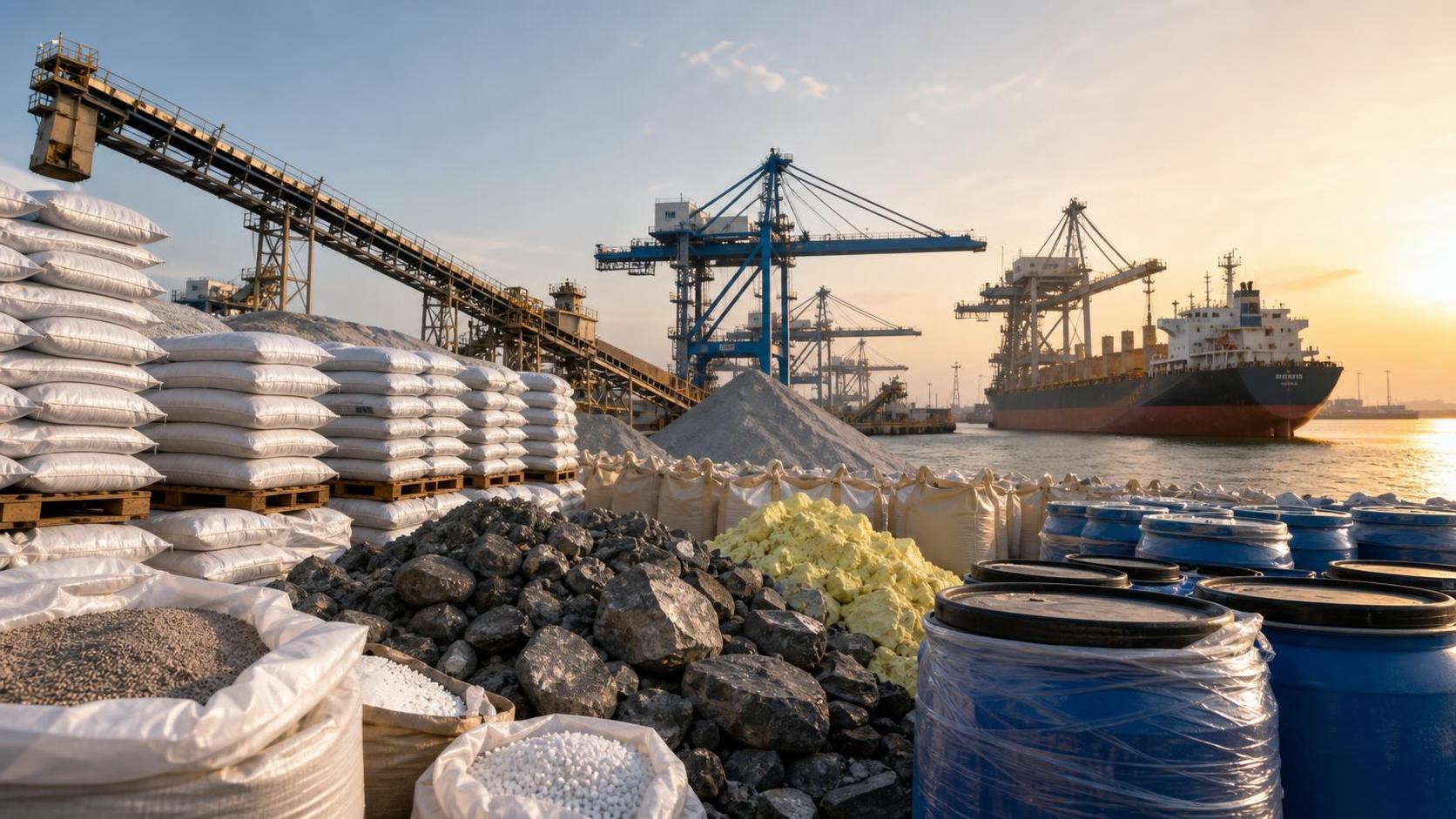
Price formation in phosphate fertilizers is becoming less predictable
The phosphate fertilizers market is no longer driven by crop demand alone. Pricing now reacts faster to disruptions in upstream minerals, sulfur and ammonia availability, freight swings, export controls, and sudden changes in buying behavior across importing regions. For companies exposed to agricultural inputs, that matters because phosphate products often sit at the intersection of mining, energy, and food security policy. When one part of that chain tightens, the effect can move quickly into finished fertilizer offers, sometimes before end users see any visible change in planting demand.
This is why many buyers have found that the old habit of treating phosphate procurement as a largely seasonal purchasing exercise is becoming less reliable. In global markets, the cost base behind MAP, DAP, TSP, and related phosphate products is being reshaped by factors that do not move in sync. Rock phosphate supply may be stable while sulfur prices jump. Energy markets may ease while export restrictions or port congestion keep delivered prices high. The result is not simply higher volatility, but a more fragmented market in which regional price signals can diverge for longer than buyers were used to in previous cycles.
One practical implication is that business decisions increasingly depend on reading cost transmission, not just headline fertilizer quotes. Buyers who only compare spot offers can miss the deeper issue: whether a supplier’s raw material position, logistics access, and compliance readiness allow them to keep supplying when the market turns tight.
Raw materials are setting the tone more than downstream demand
Phosphate fertilizer pricing begins upstream with phosphate rock, sulfur, and ammonia. None of these inputs has a perfectly stable supply pattern. Rock concentration remains geographically uneven, with a relatively small number of countries holding strategic leverage over exportable reserves and processed material. Sulfur, meanwhile, is tied to oil and gas processing and refinery activity, so its availability can shift for reasons that have little to do with agriculture. Ammonia adds another layer because its cost structure is heavily exposed to natural gas and energy markets.
That combination creates a pricing mechanism that is structurally sensitive to cross-industry shocks. A procurement team may see phosphate demand looking ordinary in a destination market, yet still face rising offers because sulfur tightened elsewhere or ammonia production economics changed. In periods of energy stress, phosphate producers with integrated access to inputs or better feedstock contracts tend to hold a clear advantage over traders depending on short-term sourcing. This difference often becomes visible in quote stability before it shows up in broader market commentary.
It also explains why some buyers are widening their supplier evaluation criteria. In adjacent industrial categories, materials such as Zeolite CAS#1318-02-1 are often sourced with closer attention to origin consistency, impurity control, and logistics continuity. A similar discipline is increasingly useful in fertilizer procurement, especially when pricing pressure is coming from hidden upstream constraints rather than visible demand expansion.
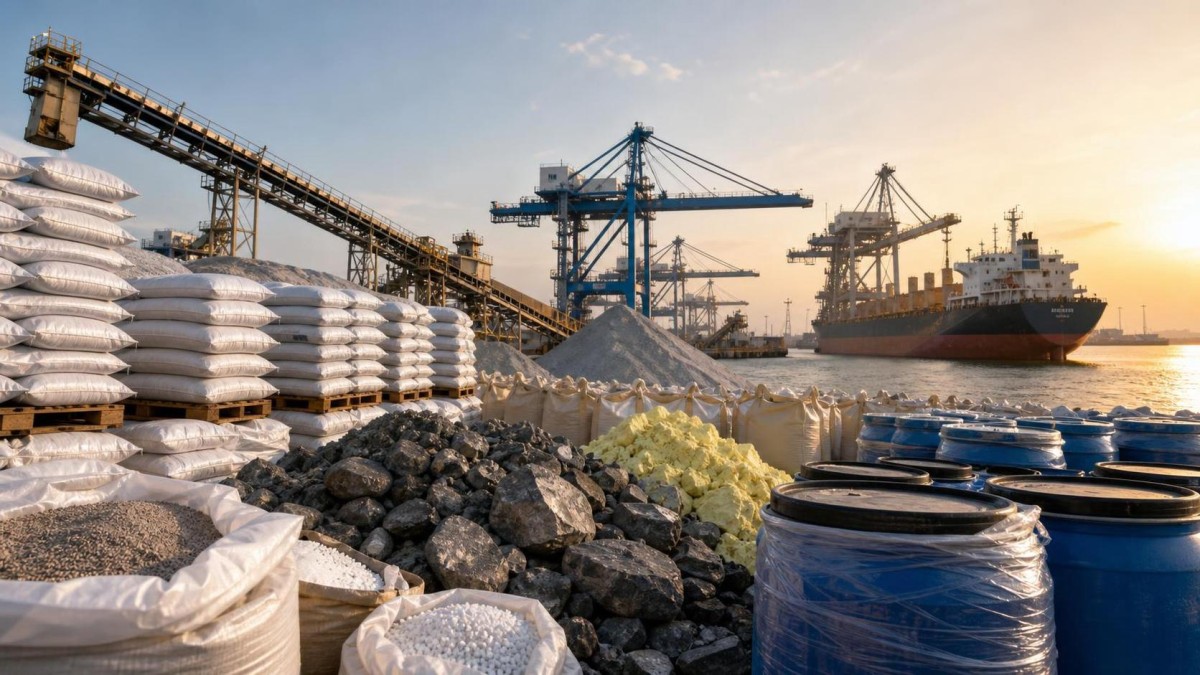
Trade policy is no longer background noise
Another shift is the growing influence of trade policy and food security measures. Fertilizers have become more politically sensitive because many governments now view input affordability as part of agricultural stability. That does not always mean direct intervention, but it does increase the chance of export monitoring, licensing changes, anti-dumping actions, sanctions exposure, customs scrutiny, or policy-driven supply prioritization in domestic markets.
For importers, the risk is not just tariff cost. Policy changes can distort timing. Buyers may rush to secure cargoes ahead of a rumored restriction, and that alone can lift prices or reduce available tonnage in the short term. Even when no formal ban materializes, markets can tighten on expectation. This is one reason why some procurement teams now track producer-country policy signals almost as closely as they track price indexes.
The underlying lesson is straightforward: a low offer price is less meaningful if the shipment path depends on a trade channel vulnerable to sudden procedural delays. In the current environment, supply security and landed cost need to be assessed together.
Freight and regional dislocation still matter more than many buyers expect
Freight no longer behaves like a minor adjustment line. Bulk shipping availability, port congestion, insurance costs, container imbalances for some packaged products, and route disruptions can materially change the delivered economics of phosphate fertilizers. This is especially relevant when buyers compare suppliers from different origins and assume that a lower FOB price automatically translates into a better delivered deal.
Regional dislocation is another issue. A market can appear balanced at the global level while remaining tight in a specific destination because vessels are delayed, inland transport is constrained, or import financing has become more difficult. In these cases, benchmark prices tell only part of the story. The more useful signals are shipment lead times, supplier willingness to hold validity, and how often contract terms are being revised during negotiation.
For companies serving multiple markets, this creates an advantage for broader sourcing networks. A supplier with established export experience across regions can often reconfigure shipping routes or substitute origin more effectively than a narrow single-channel operator. That flexibility does not eliminate risk, but it can reduce the cost of reacting late.
Demand is changing in quality, not only in volume
The demand side is also shifting, though not always in headline-grabbing ways. In several markets, fertilizer purchasing is becoming more disciplined around nutrient efficiency, crop-specific performance, application compatibility, and compliance expectations. That can favor suppliers able to provide more stable specifications, clearer documentation, and dependable fulfillment over those competing only on opportunistic pricing.
This matters because the phosphate fertilizers market is increasingly segmented. Some buyers are prepared to wait for lower prices if they are purchasing for broad-acre use with flexible timing. Others, especially those tied to tighter production schedules or more regulated supply chains, place more value on shipment reliability and documentation quality. As that segmentation deepens, not every buyer will respond to the same market signal in the same way. A price drop in one region may not trigger immediate purchasing if financing is tight or if confidence in supply continuity remains weak.
In practice, this means producers and trading companies with diversified chemical portfolios may be in a stronger position than pure spot sellers. They can often support customers with combined procurement planning across fertilizers, intermediates, and other industrial materials. That broader sourcing logic is part of why integrated suppliers continue to attract attention in uncertain markets.
What procurement teams should actually watch
There is no single indicator that explains where phosphate prices are heading next. Still, several signals tend to be more useful than broad commentary:
None of these signals works in isolation. But together they help distinguish a temporary price dip from a genuinely favorable procurement window.
Sourcing risk is increasingly about resilience, not just supplier count
A common response to volatility is to add more suppliers. That can help, but only up to a point. If those suppliers depend on the same origin, the same feedstock structure, or the same shipping route, diversification may be weaker than it appears on paper. Real resilience usually comes from a mix of origin flexibility, contract discipline, quality consistency, and the ability to coordinate across product categories when supply chains tighten.
This is where experienced chemical exporters tend to stand out. Companies with established import/export operations, broader chemical sourcing capability, and long-term relationships across multiple markets are often better positioned to manage substitutions, documentation issues, and timing pressure. For buyers, that can translate into fewer disruptions and more realistic planning, especially when phosphate procurement sits alongside other raw material needs.
The next phase of the market is unlikely to be defined by one permanent direction in price. A more realistic view is that phosphate fertilizers will remain exposed to periodic shocks from raw materials, energy, policy, and logistics, with regional divergence persisting longer than many buyers would prefer. Procurement strategies built on static annual assumptions will struggle in that setting. Those built on market monitoring, supplier depth, and flexible sourcing arrangements are more likely to hold up when costs move suddenly.
For companies reviewing supply options now, the better question is not simply whether current phosphate prices are high or low. It is whether the quoted supply chain can still perform when the market loses its balance. That is usually where the real cost difference appears. In some cases, working with suppliers that already manage a wider industrial product portfolio, including materials such as Zeolite CAS#1318-02-1, can provide a more stable commercial base for multi-category procurement and reduce the friction that often appears when markets tighten unexpectedly.
Related Picks
 Butylated Hydroxytoluene Price Drivers: Supply, Purity, and Purchasing Risk FactorsOct 21, 2026Butylated Hydroxytoluene price trends depend on supply stability, purity, logistics, and purchasing risk. Learn how to compare quotes wisely and reduce sourcing costs.
 Sodium Tripolyphosphate Price Trends: Raw Material and Energy ExposureOct 20, 2026Explore sodium tripolyphosphate price trends, from phosphate and soda ash costs to energy exposure. Learn how to compare quotes, manage sourcing risks, and make smarter purchasing decisions.
 Acetonitrile Shipment to Vietnam Successfully Dispatched; RCEP Benefits Boost Fine Chemical Trade with ASEANSep 16, 2026A shipment of industrial-grade acetonitrile from our company has recently been loaded and dispatched following the completion of standardized hazardous material packaging and container securing procedures.
 Nigerian Client’s Order of 4 Containers of Vinyl Acetate Successfully Loaded and Shipped to West AfricaSep 16, 2026We recently completed the loading of a vinyl acetate order for a Nigerian client; four containers of the product have been successfully packed and are ready for shipment to Nigeria.




Question Consultation
Send Us Your Inquiry Today

Luxi Chemical is a professional chemical product supplier with ample stock of all chemical categories and excellent quality, welcome your purchase inquiry.

