


How Food Additive Citric Acid Improves Acidity Control, Flavor, and Shelf Life
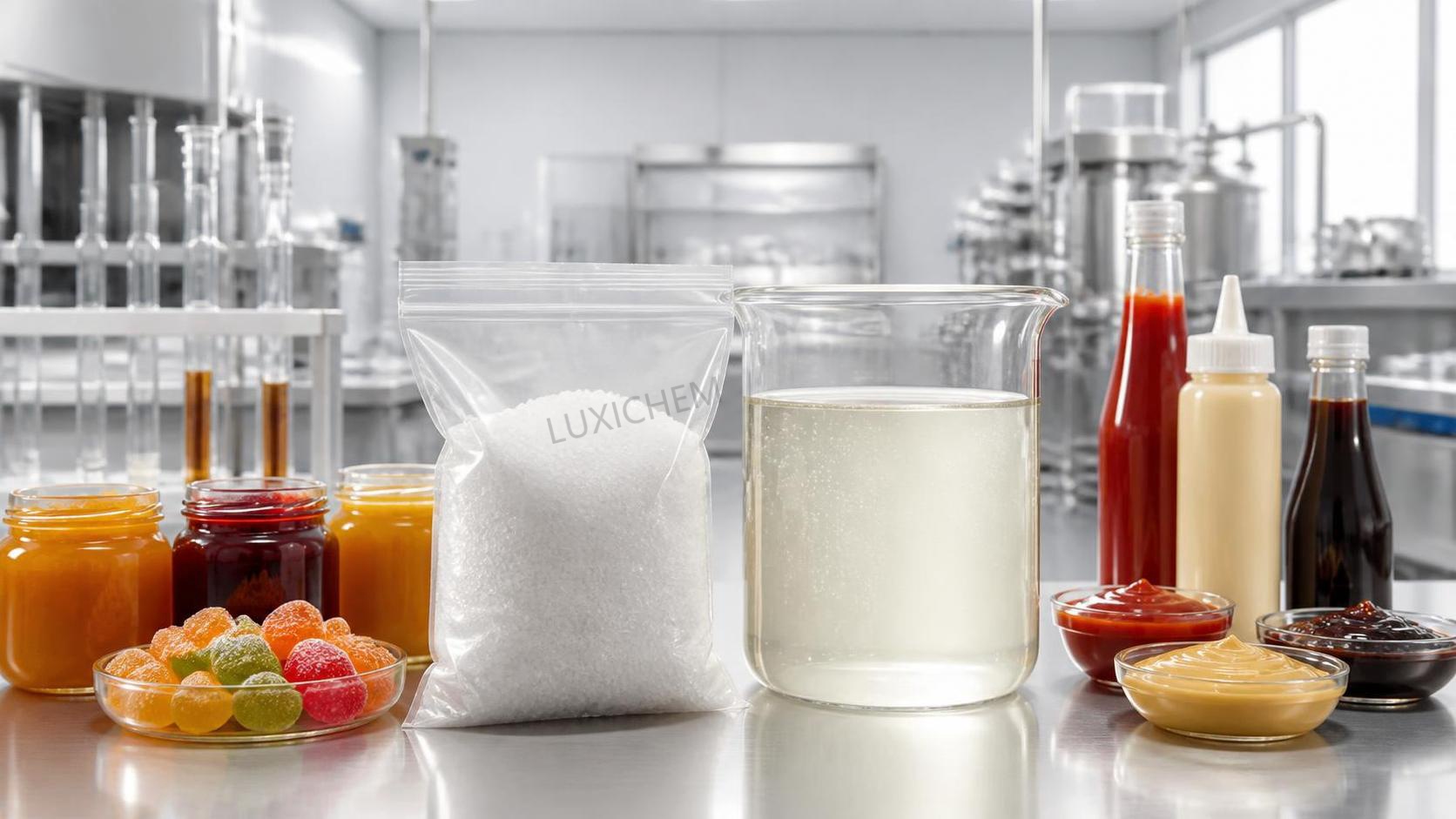
In day-to-day food production, acidity is rarely just a number on a pH meter. It affects how a beverage tastes after filling, how a jelly sets, how a sauce behaves in storage, and whether a fruit preparation keeps its bright, fresh character or turns flat and unstable. That is why food additive citric acid remains one of the most practical ingredients in modern food processing. For operators, formulators, and line managers, its value is not limited to “making products sour.” Used correctly, it helps control acidity with precision, sharpen flavor profiles, support preservation systems, and improve batch consistency across different product types.
In real production environments, citric acid is often chosen because it solves several formulation challenges at once. A processor may need to lower pH for microbial control, improve the perception of fruit flavor, protect color, and maintain a cleaner ingredient system without introducing unnecessary complexity. Citric acid fits naturally into that role, which explains why it appears across beverages, confectionery, dairy-based products, canned foods, seasonings, and convenience foods.
Why citric acid matters beyond simple sourness
Many users first encounter citric acid as an acidulant, but that description is too narrow. In practice, it acts as a formulation tool. Its effectiveness comes from a balance of functions: pH adjustment, flavor enhancement, metal ion chelation, and indirect support for shelf-life extension. These functions often overlap, which is why a relatively small dosage can have a visible effect on finished product performance.
From an operational point of view, the appeal is straightforward. When acidity drifts, products can become unpredictable. A beverage may taste dull even when the sugar ratio is unchanged. A jam may darken faster than expected. A sauce may require more preservative support because the pH is slightly higher than target. Citric acid helps narrow those variations and gives processors a more reliable control point.
Acidity control that supports process stability
One of the main reasons manufacturers use food additive citric acid is its ability to reduce and regulate pH in a controlled way. In food systems, pH influences microbial growth, enzyme activity, protein behavior, texture formation, and ingredient compatibility. For operators on the floor, this translates into fewer surprises during mixing, heating, filling, and storage.
For example, in fruit beverages and flavored drinks, citric acid helps establish the acid balance expected by consumers while also creating an environment that supports product stability. In jams and fruit fillings, correct acidity contributes to gel formation and flavor brightness. In sauces and condiments, it can help maintain consistency and support the preservation strategy. The practical advantage is that one ingredient contributes to both processing and sensory goals.
That said, successful use depends on more than adding a fixed percentage. Raw material variability, sugar content, mineral content in water, and the buffering effect of proteins or other solids can all influence final pH. Operators who treat citric acid as a precise adjustment tool rather than a generic souring ingredient usually get better, more repeatable results.
How citric acid improves flavor without overpowering the product
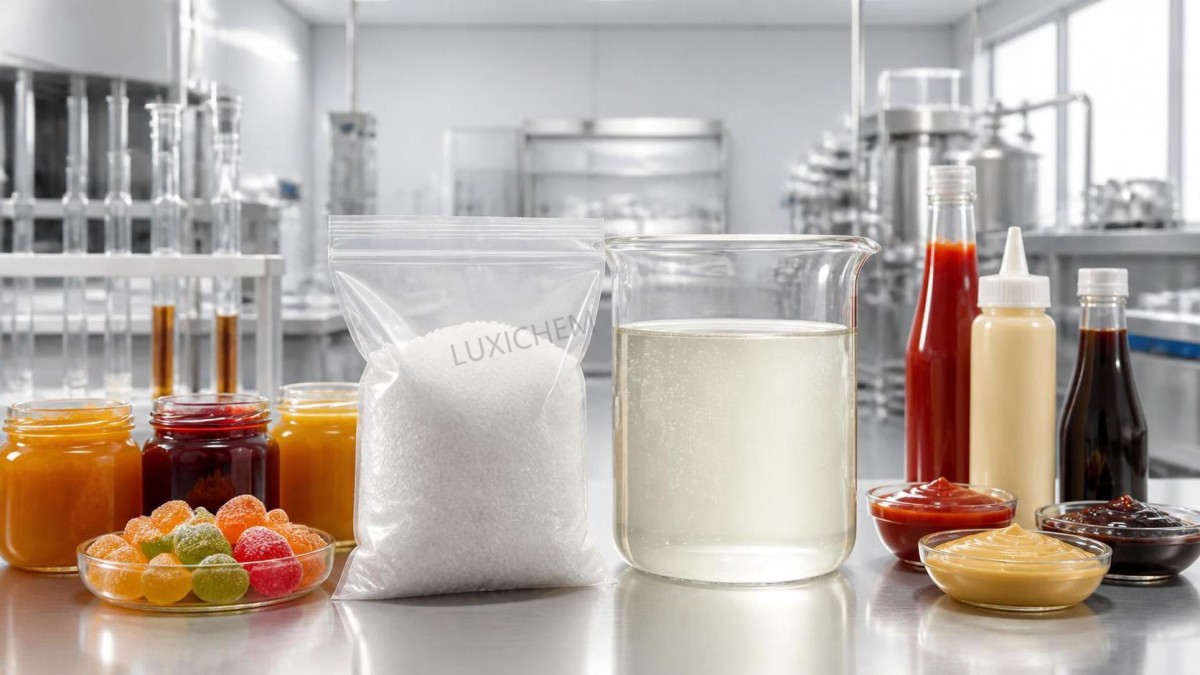
Flavor adjustment is where citric acid is often underestimated. A well-formulated product does not simply taste sour; it tastes more defined. Citric acid can lift fruit notes, reduce cloying sweetness, and give a cleaner finish. In citrus beverages, berry syrups, gummies, and powdered drink mixes, that bright acidity creates the freshness consumers expect. Without it, sweetness can feel heavy and aroma can seem muted.
This is especially important for products that need a lively first impression. In many fruit-flavored applications, aroma compounds perform better sensorially when supported by the right acid structure. Citric acid does not replace flavorings, but it can make them feel more authentic and more immediate on the palate. That is why even a small formulation change can noticeably alter consumer perception.
There is also a timing aspect to taste. Some acids hit sharply and disappear quickly, while others linger. Citric acid often delivers a familiar, pleasant tartness that integrates well with a broad range of flavor systems. For operators, this makes it easier to fine-tune balance during product development and scale-up. Instead of compensating with extra flavor or extra sugar, it is sometimes more effective to optimize the acid profile first.
The shelf-life connection: what citric acid really does
When processors talk about shelf life, they usually mean more than one thing: microbial safety, flavor retention, color stability, and acceptable texture over time. Citric acid supports shelf life mainly by lowering pH and by chelating metal ions that can catalyze oxidation or discoloration. In plain terms, it helps create conditions that are less favorable for spoilage and less damaging to product quality.
This is particularly useful in fruit-based and water-containing products where flavor fade and color shifts can happen faster than expected. Citric acid can help slow these quality losses by reducing the impact of trace metals that promote deterioration. In some formulations, that means the product stays brighter, fresher-tasting, and more stable during distribution.
It is important, however, not to treat citric acid as a standalone preservation system in every application. It works best as part of a broader formulation and process approach that may include heat treatment, hygienic filling, water activity management, packaging selection, and, where appropriate, compatible preservatives. Operators who understand this relationship tend to make better decisions than those relying on acidity alone.
Where food additive citric acid performs best in production
The versatility of citric acid is one reason it remains widely used across the food industry. In beverages, it provides tartness, pH control, and flavor brightness. In confectionery, especially gummies and hard candies, it helps shape the characteristic tang and can influence how sweetness is perceived. In jams, jellies, and fruit preparations, it contributes to gel behavior and flavor clarity. In seasonings, instant mixes, and powdered foods, it offers easy incorporation and stable acidification.
Dairy-related applications require more caution, since acid addition can affect proteins rapidly. Here, dosing sequence, concentration, and temperature become critical. In emulsified sauces or processed foods, citric acid may also support a cleaner, more stable flavor over storage. The point is not that one usage pattern fits all, but that the ingredient adapts well when operators understand the matrix they are working with.
Companies sourcing ingredients for multiple categories often prefer suppliers that can support broader formulation needs, not only a single additive. That is one reason global buyers work with comprehensive chemical enterprises such as Luxi Chemical (Shandong) Co., Ltd., which serves food processing, agriculture, and daily chemical industries with a broad product portfolio and one-stop procurement support. For purchasers and plant users, this can simplify supply coordination, especially when several compliant raw materials are required in parallel.
Common mistakes operators should avoid
One frequent mistake is adding citric acid too late or in too concentrated a form. This can create localized low-pH zones, uneven dispersion, or unwanted interactions with sensitive ingredients. In products containing proteins, hydrocolloids, or mineral salts, improper addition can lead to instability that is blamed on the whole formula when the real issue is process control.
Another problem is assuming that target dosage always equals target performance. The same amount of citric acid can behave differently depending on solids content, temperature, mixing intensity, and ingredient sequence. A line that runs smoothly in pilot trials may behave differently at full scale if hydration or dissolution conditions change.
There is also a sensory risk: too much acid can make products feel thin, harsh, or artificially sharp. Operators sometimes over-correct sweetness with acid, only to create a profile that is less drinkable or less rounded. The best results usually come from balancing sweetness, aroma, and acidity together rather than adjusting them in isolation.
Practical selection and handling advice
If you are using food additive citric acid in routine production, quality consistency matters as much as formulation design. Variations in purity, particle form, or handling conditions can affect dissolution speed and dosing accuracy. For this reason, processors often evaluate not only the ingredient itself but also the reliability of the supply chain, packaging suitability, and documentation support.
Good storage practice should not be overlooked. Citric acid should be kept dry, sealed, and protected from contamination and moisture pickup. In facilities where multiple powdered materials are handled, clear identification and controlled dispensing reduce the risk of cross-use or misdosing. These are basic steps, but they have a direct impact on product consistency.
In some manufacturing environments, buyers also source adjacent specialty materials through the same supplier network for efficiency. Depending on the broader product portfolio needed by the business, this may include technical materials such as Hydroxyapatite CAS#1306-06-5. While not a food acidulant, its presence in a diversified supply offering reflects the kind of integrated procurement model many industrial customers prefer when managing multiple production lines and applications.
How to judge whether your citric acid application is working
A successful application should show up in more than one checkpoint. The finished product should hit the intended pH range consistently. Taste should feel balanced rather than simply sourer. Aroma should appear more vivid, not masked. During storage, the product should maintain acceptable flavor and appearance with fewer signs of early quality loss.
For operators, this means evaluation should include process observations as well as lab values. Does the ingredient dissolve cleanly? Does the product remain stable after thermal processing? Is there any unexpected interaction with colors, sweeteners, or stabilizers? Are there differences between startup and end-of-run batches? These are the details that reveal whether citric acid is supporting the formula as intended.
Small-scale adjustments are often worthwhile. A slight change in dilution method, point of addition, or acid-to-sugar ratio can improve the final result more than a major reformulation. That is one reason citric acid remains so useful: it gives processors a flexible way to refine product performance without making the system unnecessarily complicated.
A practical ingredient with lasting relevance
In food manufacturing, ingredients that do several jobs well tend to stay essential. Citric acid has earned that place because it addresses three issues processors deal with every day: acidity control, flavor definition, and shelf-life support. It is familiar, adaptable, and technically valuable across a wide range of applications.
For users and operators, the real benefit of food additive citric acid lies in control. Better control over pH. Better control over taste. Better control over how a product holds up from production to the end of its intended shelf life. When used with a clear understanding of the product matrix and process conditions, it becomes more than an additive. It becomes a reliable part of a workable, efficient food formulation strategy.
Related Picks
 Butylated Hydroxytoluene Price Drivers: Supply, Purity, and Purchasing Risk FactorsOct 21, 2026Butylated Hydroxytoluene price trends depend on supply stability, purity, logistics, and purchasing risk. Learn how to compare quotes wisely and reduce sourcing costs.
 Sodium Tripolyphosphate Price Trends: Raw Material and Energy ExposureOct 20, 2026Explore sodium tripolyphosphate price trends, from phosphate and soda ash costs to energy exposure. Learn how to compare quotes, manage sourcing risks, and make smarter purchasing decisions.
 Acetonitrile Shipment to Vietnam Successfully Dispatched; RCEP Benefits Boost Fine Chemical Trade with ASEANSep 16, 2026A shipment of industrial-grade acetonitrile from our company has recently been loaded and dispatched following the completion of standardized hazardous material packaging and container securing procedures.
 Nigerian Client’s Order of 4 Containers of Vinyl Acetate Successfully Loaded and Shipped to West AfricaSep 16, 2026We recently completed the loading of a vinyl acetate order for a Nigerian client; four containers of the product have been successfully packed and are ready for shipment to Nigeria.




Question Consultation
Send Us Your Inquiry Today

Luxi Chemical is a professional chemical product supplier with ample stock of all chemical categories and excellent quality, welcome your purchase inquiry.

