


How should taurine powder be protected from moisture during handling?
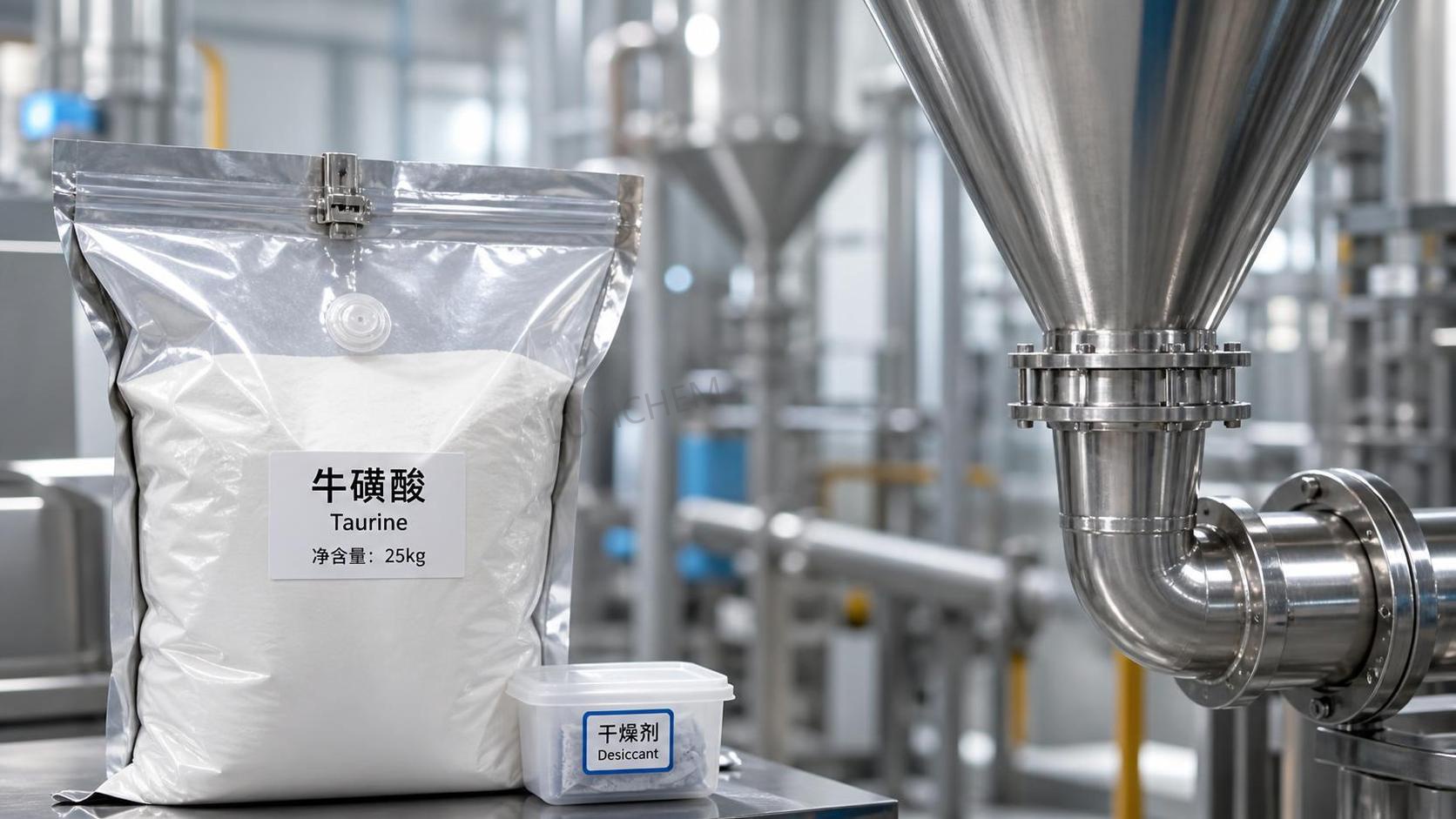
Protect taurine powder from moisture by keeping it in intact moisture-barrier packaging, minimizing the time that containers remain open, and transferring material only through clean, dry equipment. The most common signs of moisture exposure are reduced flow, soft lumps, bridging in hoppers, inconsistent feeding, and powder adhering to scoops, liners, or transfer surfaces. Once these changes appear, simply resealing the package does not restore the original handling condition.
Moisture control should begin before a bag is opened. A dry powder can pick up water during unloading, staging, sampling, weighing, transfer, and partial-bag storage. Each short exposure may seem minor, but repeated contact with humid air can create localized wet zones near the package opening, along folded liners, or at the base of a container. These zones often become the starting point for caking.
Keep the original barrier intact until the point of use
Store unopened taurine powder in its original sealed package whenever possible. The outer bag protects against handling damage, while the inner liner provides the primary barrier against ambient humidity. Do not cut or tear the liner wider than necessary. A large opening increases the exchange of air each time the package is handled, particularly where the powder is held for several shifts rather than consumed in one operation.
Inspect incoming packages before moving them into storage. Look for punctures, crushed corners, broken closures, wet marks, softened paper layers, and signs that the bag has rested on a damp surface. Damage on the outside does not always mean the powder is affected, but it warrants segregation until the inner liner and product condition can be checked. Avoid placing bags directly on concrete floors because concrete can transmit moisture and cool the package surface enough to promote condensation.
Pallets should be dry, sound, and free of chemical residues. Keep the load away from exterior walls, roof drains, open doors, and areas subject to washdown. Stacking height should not deform the lower bags or force powder into dense compacted masses. Compaction and moisture are different problems, yet they often appear together as poor flow. If a bag is compressed but remains dry, the powder may loosen during controlled screening or gentle breakup. A damp agglomerate tends to smear, resist normal flow, and reform after disturbance.
Control the environment around opened material
A cool, dry, enclosed storage area is preferable to an area where temperature and humidity change sharply through the day. The problem is not limited to visibly wet air. When a cold package is brought into a warmer humid room, water may condense on its surface or near an opened liner. Condensation can be more damaging than a stable moderate humidity level because it introduces liquid water at one location rather than gradual vapor uptake across the powder.
Allow containers moved from a cold area to reach room conditions before opening them. Keep the package sealed during this equilibration period. Opening a cold bag immediately in warm air can draw humid air into the headspace, where it contacts colder internal surfaces. This is especially relevant when material arrives from transport or storage conditions substantially cooler than the processing room.
Where room humidity cannot be adequately controlled, reduce exposure time instead of relying on a loosely covered bag. Prepare the receiving container, label, weighing tools, and closure device before opening the liner. Complete the transfer in one continuous operation, then reseal the remaining material promptly. Leaving a package open while waiting for a scale, a batch instruction, or a downstream vessel creates avoidable moisture pickup.
Use a transfer method suited to the batch size
Small additions are often handled manually, but the container used for weighing must be dry inside and outside. A stainless-steel scoop that has been washed and not fully dried can introduce concentrated moisture into the upper layer of powder. The same concern applies to reusable bins, flexible intermediate bulk containers, funnels, sieves, and sample thieves. Cleaning records alone are not enough; equipment must be verified dry before contact with hygroscopic or moisture-sensitive powders.
For partial bags, transfer the unused powder into a clean, dry, tightly closing container if the original package cannot be reliably resealed. Select a container with a lid or gasket that closes uniformly around the rim. Thin snap-on covers, folded bag mouths, and improvised tape closures may limit visible dust but do not reliably prevent humid air from entering during storage. Record the lot identification and opening date on the secondary container so material does not remain exposed longer than intended.
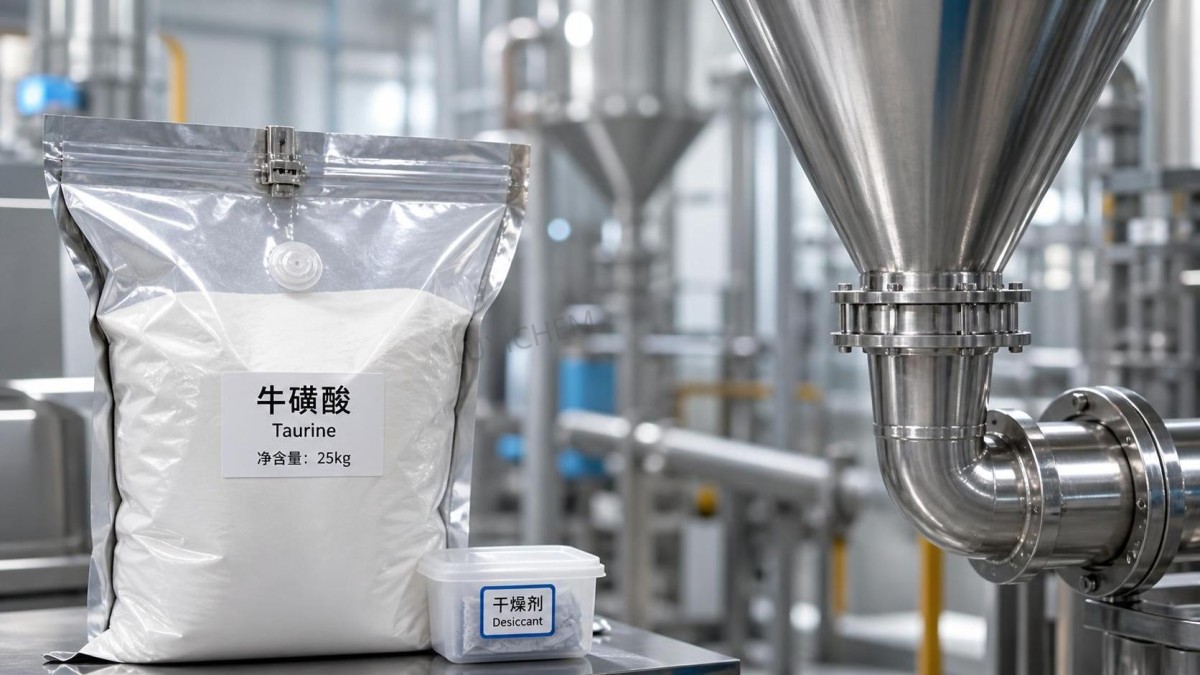
For larger-volume handling, enclosed conveying generally offers better moisture control than open dumping. The system should be checked for air leaks, wet filter media, condensate, and stagnant residue from prior campaigns. Pneumatic transfer requires particular attention to the condition of the conveying gas. Air that contains excessive moisture can introduce water throughout the powder stream, even when the source container is closed. Dry, filtered conveying gas and properly maintained separators reduce this risk.
Vacuum conveying can also create an overlooked issue: drawing room air through a poorly sealed pickup point. If the pickup line or receiver gasket leaks, the system may continuously pull humid air into contact with the product. Poor powder flow at the receiver is sometimes blamed on particle size or electrostatic effects when the actual cause is air leakage combined with moisture exposure.
Separate moisture-related flow problems from other handling faults
Bridging, rat-holing, and irregular feeder output are not proof of moisture uptake by themselves. Fine powder can bridge because of hopper geometry, excessive consolidation, static charge, or an unsuitable feeder design. Moisture is more likely when the material also shows irregular lumps, surface tackiness, visible liner wetness, or a change concentrated near the package opening and walls.
Do not use elevated heat as an automatic response to clumping. Drying conditions can affect powder properties, and uncontrolled heating may create uneven treatment: material near a heat source can change while interior material remains damp. Any decision to dry, screen, or rework affected powder should follow the applicable product specification and process controls. Material with uncertain condition should not be blended into a dry batch merely to make the visible lumps disappear.
Close packages in a way that excludes humid air
After removing the required amount, expel unnecessary headspace only if doing so does not disperse powder or damage the liner. Fold the inner liner tightly, secure it with an appropriate closure, and then close the outer bag or place the bag in a sealed overpack. The inner liner matters most. Closing only the outer paper or woven layer leaves the powder exposed through gaps around the liner mouth.
A partially used bag should be kept upright. Laying it on its side can shift powder against the closure and open a narrow path for air entry. It also makes traceability and visual inspection more difficult. When a bag has to be reopened frequently, a dedicated sealed bin is usually more reliable than repeatedly folding and unfolding the original liner.
Desiccants can be useful in an external storage enclosure or shipping overpack where they are physically separated from the powder. They should not be placed loosely into direct contact with the material unless the packaging design and product requirements explicitly allow it. A damaged desiccant sachet becomes a contamination issue, while an undersized sachet can create false confidence without controlling the actual humidity exposure.
Pay attention to cleaning, maintenance, and adjacent materials
Water-based cleaning near powder handling equipment should be scheduled so that all surfaces, ducts, receivers, and tools are fully dry before taurine powder is introduced. Hidden moisture often remains under gaskets, in valve cavities, in flexible hoses, beneath access covers, or inside dust collection lines. A dry-looking external surface does not confirm that a system is ready for powder contact.
Maintenance activities can also introduce moisture through compressed-air lines, wet rags, lubricants, or replacement parts stored in humid conditions. Before restarting, inspect seals and joints that were opened during maintenance. Even a small gasket gap can expose product to room air during prolonged holding or pneumatic transfer.
Keep taurine powder handling separate from operations that generate steam, use open water, or require frequent wet sanitation. This separation is about local conditions, not only warehouse climate. A generally dry facility can still have a humid zone around a kettle vent, wash station, open door, or cooling process.
Where the same production area handles solvent-based materials, maintain clear segregation and cleaning controls. For example, Xylene CAS#1330-20-7 is a volatile, flammable liquid and should be managed under its own storage, ventilation, and ignition-control requirements. It is not a drying treatment for taurine powder, and solvent residues or vapors should not be introduced into powder handling equipment.
Respond early when the powder condition changes
If moisture exposure is suspected, stop further mixing of the affected material with confirmed dry stock. Examine the package, liner, closure, equipment contact points, and room conditions around the time the change was noticed. This sequence matters because the visible powder condition is evidence, while the source of moisture may be a damaged package, a wet tool, condensate, conveying air, or an extended open-hold period.
Document the lot, package status, observed location of lumps, and the stage where the issue appeared. A lump found during receiving suggests a different investigation from a lump found after an open transfer. Retaining this distinction prevents repeated corrections that address the wrong part of the handling process.
Consistent moisture protection comes from treating unopened storage, opening, transfer, resealing, and equipment readiness as one continuous control path. A dry warehouse alone cannot protect powder that is exposed through an unsealed liner, a damp conveying line, or a partially closed container left beside a humid process area.
Related Picks
 Butylated Hydroxytoluene Price Drivers: Supply, Purity, and Purchasing Risk FactorsOct 21, 2026Butylated Hydroxytoluene price trends depend on supply stability, purity, logistics, and purchasing risk. Learn how to compare quotes wisely and reduce sourcing costs.
 Sodium Tripolyphosphate Price Trends: Raw Material and Energy ExposureOct 20, 2026Explore sodium tripolyphosphate price trends, from phosphate and soda ash costs to energy exposure. Learn how to compare quotes, manage sourcing risks, and make smarter purchasing decisions.
 Acetonitrile Shipment to Vietnam Successfully Dispatched; RCEP Benefits Boost Fine Chemical Trade with ASEANSep 16, 2026A shipment of industrial-grade acetonitrile from our company has recently been loaded and dispatched following the completion of standardized hazardous material packaging and container securing procedures.
 Nigerian Client’s Order of 4 Containers of Vinyl Acetate Successfully Loaded and Shipped to West AfricaSep 16, 2026We recently completed the loading of a vinyl acetate order for a Nigerian client; four containers of the product have been successfully packed and are ready for shipment to Nigeria.




Question Consultation
Send Us Your Inquiry Today

Luxi Chemical is a professional chemical product supplier with ample stock of all chemical categories and excellent quality, welcome your purchase inquiry.

