


Natural Pigment Shelf Life: Preventing Color Loss During Storage and Transport
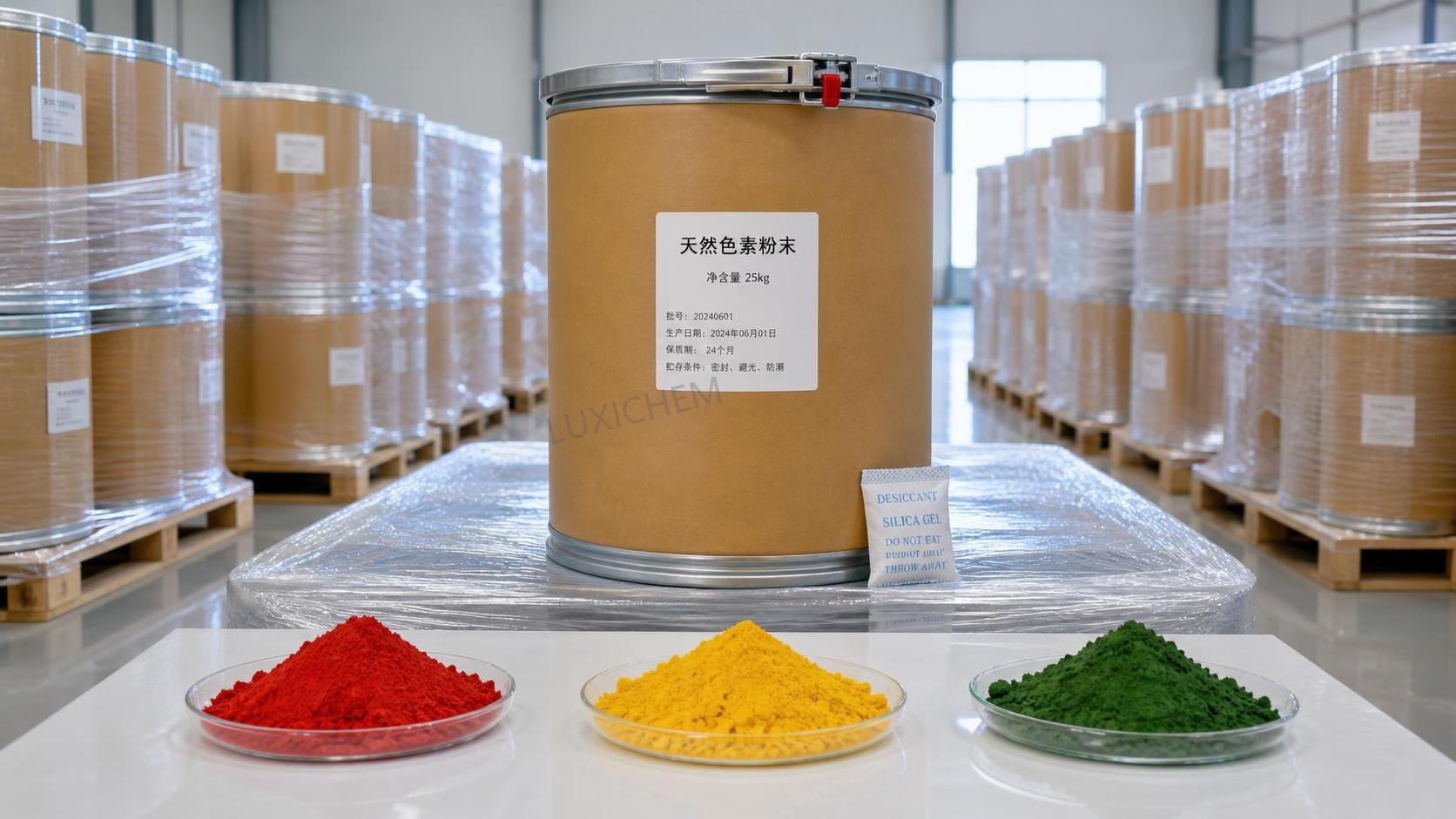
Natural Pigments can lose vibrancy, stability, and application performance when exposed to heat, humidity, oxygen, or light during storage and transport.
For after-sales maintenance teams, identifying the actual cause of color loss is essential for resolving complaints, protecting customer confidence, and preventing repeat incidents.
This guide explains practical packaging, storage, inspection, and transport measures that preserve pigment consistency across food, daily chemical, agricultural, and industrial applications.
Start With the Complaint: What Does “Color Loss” Actually Mean?
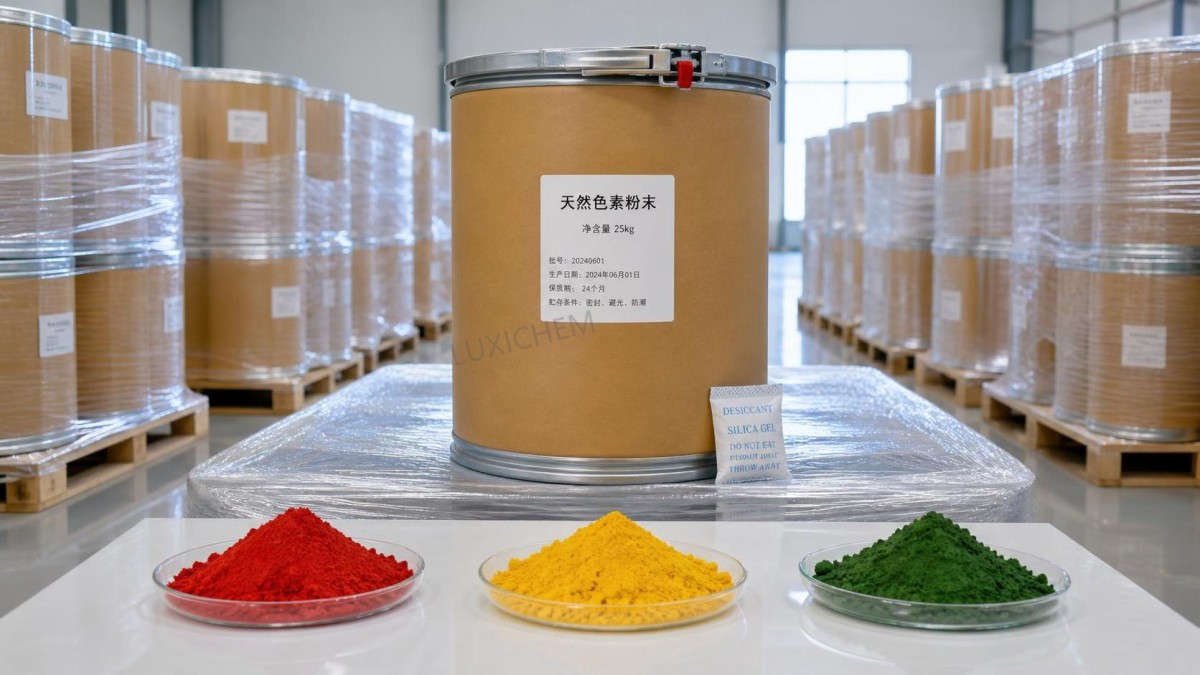
Color loss is not always a simple fading problem. Customers may describe reduced brightness, shade variation, settling, discoloration, or weaker coloring strength after delivery.
After-sales teams should first distinguish between true pigment degradation and application-related variation caused by dilution, formulation pH, process temperature, or mixing conditions.
A pigment that appears acceptable in its sealed package may still perform differently when dispersed into a beverage, cream, detergent, coating, or agricultural formulation.
The first diagnostic question should be whether the color changed during storage, transport, production, or final product use at the customer site.
Ask for photographs of unopened packages, retained samples, finished products, batch numbers, storage records, and the specific date when the difference became visible.
Compare the complaint sample against a retained reference under the same lighting conditions. Daylight, cool white lighting, and warm warehouse lighting can produce different impressions.
Where available, use color measurement data such as L*, a*, b*, absorbance, tinting strength, or visual shade cards rather than relying only on verbal descriptions.
A structured initial assessment prevents unnecessary claims against Natural Pigments when the actual issue originates from the customer’s formulation or processing environment.
Why Natural Pigments Lose Color During Storage
Natural Pigments contain color-producing compounds derived from botanical, mineral, microbial, or other naturally sourced materials, and their stability often depends on surrounding conditions.
Heat accelerates chemical reactions that reduce color intensity. Long exposure near heaters, hot containers, direct sunlight, or unventilated vehicles can shorten practical shelf life.
Humidity is especially damaging to hygroscopic powders. Moisture can cause caking, microbial risk, hydrolysis, uneven dispersion, and changes in apparent color strength.
Oxygen may oxidize sensitive pigment molecules, particularly carotenoid, anthocyanin, chlorophyll, and polyphenol-based systems. Oxidation often appears as dullness or a brownish shift.
Light exposure can trigger photodegradation even when warehouse temperatures remain acceptable. Transparent containers and repeated sunlight exposure increase this risk considerably.
Temperature cycling also matters. Repeated movement between cold and warm environments can create condensation inside packaging and alter particle behavior after moisture absorption.
Some pigments are sensitive to pH changes. Contact with alkaline dust, acidic residues, incompatible additives, or improperly cleaned containers may alter the visible shade.
Metal contamination can catalyze oxidation in certain natural color systems. Trace iron, copper, or reactive metal surfaces can cause unexpected fading or discoloration.
For accurate troubleshooting, record environmental exposure alongside product details. A technically correct complaint analysis requires evidence, not assumptions based solely on the final appearance.
Use Packaging That Controls Moisture, Oxygen, and Light
Packaging is the first protection layer for Natural Pigments. A suitable package must match the pigment’s form, sensitivity profile, shipment duration, and customer handling conditions.
For moisture-sensitive powders, use high-barrier inner liners, properly sealed bags, and rigid outer containers that resist puncture during forklift handling and pallet movement.
Confirm that each package is sealed immediately after filling. Long delays between filling and sealing allow ambient humidity to enter and reduce storage stability.
Opaque packaging is preferable for light-sensitive materials. If transparent containers are unavoidable, use secondary cartons or pallet covers that block direct light exposure.
Headspace oxygen may be relevant for oxidation-prone products. Depending on regulatory and product requirements, reduced-oxygen packing can provide additional stability protection.
Do not reuse damaged liners, contaminated drums, or closures with worn threads. Minor packaging defects can create major quality complaints after long-distance transportation.
Seal integrity checks should include visual inspection, closure torque verification where applicable, leak checks, and confirmation that liners remain intact after palletization.
Desiccants can help in specific packaging systems, but they must be selected carefully. Incorrect placement or insufficient capacity will not compensate for poor package sealing.
When reviewing a customer complaint, inspect the packaging first. Water marks, collapsed bags, loose closures, damaged cartons, or condensation are important root-cause evidence.
Control Warehouse Conditions Before the Product Leaves
Warehouse control has a direct effect on shelf life because pigments may remain in storage longer than expected before dispatch, especially during changing market demand.
Maintain stable temperature and humidity within the product specification. Avoid placing sensitive stock near loading doors, roof areas, steam lines, windows, or heat-generating equipment.
Store pallets above the floor on clean, dry racking or dunnage. Direct floor contact increases exposure to moisture, cleaning water, and condensation.
Use first-expired, first-out inventory management rather than relying only on first-in, first-out practice. Remaining shelf life should guide shipping allocation decisions.
After-sales personnel should verify whether a disputed batch was shipped close to its recommended retest date or remained in uncontrolled customer storage for extended periods.
Temperature and humidity loggers are valuable for high-risk products, long journeys, or repeated complaints. Their records can clarify where exposure occurred in the supply chain.
Segregate Natural Pigments from volatile chemicals, strong oxidizers, acids, alkalis, and materials that can transfer odor, dust, moisture, or reactive contaminants.
As an example, moisture-sensitive supporting chemicals such as Potassium Phosphate Dibasic CAS#7758-11-4 should also remain tightly sealed within their specified +5°C to +30°C storage range.
This material is hygroscopic and commonly used for buffering, food processing, fermentation, laboratory work, and agricultural applications, so moisture control protects both handling quality and formulation consistency.
For mixed chemical inventories, clear labeling and segregation reduce accidental contact between pigments and alkaline powders, dusty materials, or incompatible packaging residues.
Prevent Transport Damage Before It Becomes a Color Complaint
Transport exposes pigments to risks that controlled warehouses may avoid. Vehicles, containers, ports, and transfer stations can create heat, humidity, vibration, and delay.
Container loading plans should keep sensitive pallets away from container walls whenever possible. External temperature changes can create condensation on interior surfaces.
Use moisture barriers, pallet covers, and appropriate desiccant systems for ocean shipments when route conditions include high humidity or major temperature variation.
Do not load pigment packages with wet cargo, leaking containers, odor-emitting goods, corrosive chemicals, or materials that may shift during transport.
Vibration can compact powders and weaken package seals. Secure pallets with suitable stretch wrapping, edge protection, and stable stacking patterns.
For summer road transport, avoid extended vehicle waiting periods in direct sunlight. For winter routes, protect products from freezing conditions where relevant.
Shipping documents should identify handling requirements clearly, including dry storage, protection from sunlight, temperature limits, package orientation, and inspection upon arrival.
After-sales teams should request carrier records, container photographs, delivery notes, and evidence of visible damage whenever customers report sudden color changes after shipment.
Where failures recur on a particular route, treat that route as a process issue. Adjust packaging, carrier requirements, logistics timing, or monitoring controls.
Build a Practical Inspection Routine for Incoming and Retained Samples
Consistent inspection helps teams identify deterioration early and prevents subjective judgments from becoming prolonged disputes between supplier, carrier, and customer.
Inspect every complaint sample for package condition, odor, moisture, caking, foreign particles, abnormal clumps, shade variation, and differences from the retained reference.
Use a documented sampling method. Samples taken only from the package surface may not represent the full contents, particularly after vibration or moisture exposure.
For powders, assess flowability and dispersion before making conclusions about color strength. Poor dispersion can produce apparent fading without chemical degradation.
For liquid pigment systems, check separation, sedimentation, viscosity changes, pH, and redispersibility. A stable colorant may still fail because the carrier phase changed.
Record the product batch, production date, package opening date, storage duration, storage temperature, humidity exposure, and customer application conditions in every report.
Retained samples should be stored under defined conditions and checked periodically. They provide the most reliable basis for determining whether a batch changed over time.
When possible, test the sample in a standardized application system. Comparing raw pigment alone may miss the performance problem that customers actually experience.
Separate Pigment Failure From Formulation Failure
Many reported pigment problems are formulation problems. Natural color systems can respond strongly to pH, salt concentration, emulsifiers, preservatives, and processing conditions.
Ask whether the customer changed a supplier, mixing sequence, water quality, heating profile, filling temperature, or cleaning procedure before the issue appeared.
Acid-sensitive or alkaline-sensitive pigments can change shade rapidly when a formulation moves outside its intended pH range, even when pigment storage was fully compliant.
High-temperature processing may reduce color intensity after addition. In some systems, adding the pigment later in the process improves retained color performance.
Metal ions in process water or equipment can affect certain Natural Pigments. Water analysis and equipment material review may be necessary for repeated unexplained changes.
Oxidation can also occur in the finished product. Excess air incorporation, insufficient antioxidant protection, or oxygen-permeable packaging can reduce color after filling.
For food and daily chemical applications, evaluate the finished product’s light exposure. Retail shelving can create color changes not visible during factory release testing.
Give customers corrective actions that match the cause. Replacing pigment without addressing formulation conditions usually produces another avoidable complaint.
Create a Clear Response Workflow for After-Sales Teams
A defined workflow reduces response time and helps customers see that their complaint is being investigated professionally, consistently, and with relevant technical evidence.
First, confirm the product identity, batch number, quantity affected, delivery date, complaint description, and whether unopened material shows the same condition.
Second, collect environmental evidence: warehouse conditions, transport route, package photographs, temperature records, humidity exposure, and details of handling after delivery.
Third, compare complaint samples with retained samples and reference standards. Document visual observations and instrumental data using the same test conditions.
Fourth, review customer processing details, particularly pH, heat exposure, mixing method, dosage, contact materials, water quality, and final package exposure.
Fifth, classify the likely root cause as product-related, packaging-related, transport-related, storage-related, formulation-related, or still under investigation.
Finally, issue a corrective action report with practical next steps. Include preventive recommendations so the same risk is controlled on future orders.
For high-value or repeated claims, establish a cross-functional review involving quality, logistics, technical service, sales, and the customer’s production team.
Summary: Protect Shelf Life Through Evidence and Prevention
Color stability depends on more than the pigment itself. Heat, humidity, oxygen, light, packaging integrity, transport conditions, and formulation compatibility all influence performance.
For after-sales maintenance teams, the most effective approach is a documented investigation that separates actual degradation from handling and application-related causes.
Natural Pigments remain more consistent when protected by suitable barriers, controlled warehouse conditions, stable transport practices, and customer-specific application guidance.
When teams collect samples, environmental records, packaging evidence, and formulation information early, they can resolve complaints faster and prevent unnecessary product replacement.
The practical goal is not simply to prove responsibility. It is to preserve color consistency, protect customer operations, and strengthen long-term product reliability.
Related Picks
 Butylated Hydroxytoluene Price Drivers: Supply, Purity, and Purchasing Risk FactorsOct 21, 2026Butylated Hydroxytoluene price trends depend on supply stability, purity, logistics, and purchasing risk. Learn how to compare quotes wisely and reduce sourcing costs.
 Sodium Tripolyphosphate Price Trends: Raw Material and Energy ExposureOct 20, 2026Explore sodium tripolyphosphate price trends, from phosphate and soda ash costs to energy exposure. Learn how to compare quotes, manage sourcing risks, and make smarter purchasing decisions.
 Acetonitrile Shipment to Vietnam Successfully Dispatched; RCEP Benefits Boost Fine Chemical Trade with ASEANSep 16, 2026A shipment of industrial-grade acetonitrile from our company has recently been loaded and dispatched following the completion of standardized hazardous material packaging and container securing procedures.
 Nigerian Client’s Order of 4 Containers of Vinyl Acetate Successfully Loaded and Shipped to West AfricaSep 16, 2026We recently completed the loading of a vinyl acetate order for a Nigerian client; four containers of the product have been successfully packed and are ready for shipment to Nigeria.




Question Consultation
Send Us Your Inquiry Today

Luxi Chemical is a professional chemical product supplier with ample stock of all chemical categories and excellent quality, welcome your purchase inquiry.

