


What quality checks support food-grade butylated hydroxytoluene?
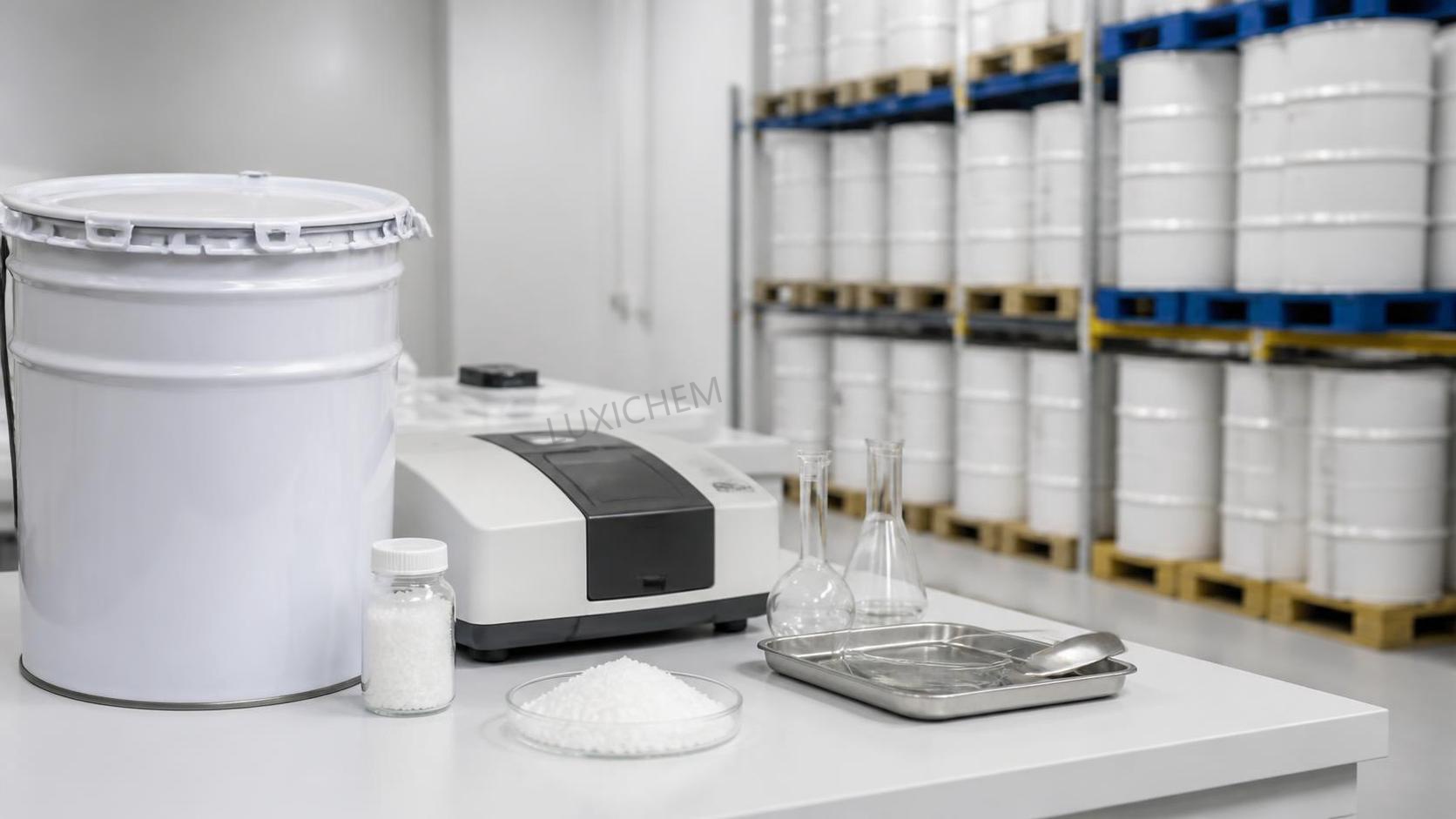
A food processor may receive a drum of Butylated Hydroxytoluene with a clean-looking certificate of analysis and still have unanswered questions: Was the sample representative of the batch? Were impurities assessed using a suitable method? Did the material remain protected during transport? Can the batch be traced if a finished-product investigation occurs months later?
For food-grade use, quality control should be treated as a connected system rather than a single release document. The essential checks are identity confirmation, assay and impurity control, physical-condition review, packaging inspection, traceability, document consistency, and verification against the food-additive specification applicable to the intended market. A pass result matters only when the testing method, sampling process, records, and handling controls support it.
Start with the intended use, not the supplier’s grade label
Butylated Hydroxytoluene is used as an antioxidant in selected food-related applications, where it helps slow oxidative deterioration in fats, oils, and compatible formulations. Its suitability cannot be decided from the words “food grade” alone. The purchasing and quality teams should first define where the material will be used, the formulation matrix, the processing conditions, the proposed use level, and the markets in which the finished food will be sold.
This first step prevents a common problem: comparing a supplier’s internal specification with a regulatory or customer requirement that measures different attributes. One specification may focus on assay and appearance, while another may also set limits for related substances, moisture, residue, or contaminants. A batch can satisfy one document yet remain unsuitable for a particular destination or application.
Before qualification, establish a written material specification that identifies the required grade, chemical name, relevant identifier, approved test methods or equivalent methods, acceptance limits, packaging format, storage conditions, and documentation required at receipt. This becomes the baseline for evaluating both initial samples and routine deliveries.
Identity testing is the first control against a high-impact error
Identity verification answers a basic but important question: is the received material actually the antioxidant ordered? Packaging mix-ups, transcription mistakes, and poorly controlled warehouse practices can create risk even where the material’s visual appearance seems normal. BHT is generally supplied as a solid, but appearance alone cannot prove chemical identity or distinguish it from other white or pale solid materials.
A robust incoming-control plan normally relies on a documented identity method appropriate to the laboratory’s capabilities and the governing specification. Infrared comparison is often useful for routine confirmation when a validated reference spectrum and controlled method are available. Chromatographic comparison, melting-range evaluation, or other orthogonal testing may be used where the specification or risk assessment calls for greater certainty.
The key point is not to select a test merely because it is quick. The method must be capable of detecting a substitution or meaningful mismatch. Quality personnel should also verify that the sample label, container label, certificate, delivery documentation, and internal receiving record all refer to the same batch or lot identifier.
Assay results need context
Assay is central because the active antioxidant content affects formulation calculations and compliance with use limits. However, an assay value should not be read in isolation. The laboratory should know which analytical technique was used, how the result is reported, whether it is on an as-is or dried basis, what reference standard supports the method, and whether the method is suitable for the stated acceptance range.
When reviewing a certificate of analysis, look beyond the final number. Check whether the unit is clear, whether the specification limit is shown beside the result, whether the batch number exactly matches the shipment, and whether the document contains a test date or release date. Ambiguous certificates create avoidable work during audits and investigations.
For routine supply, trend assay results by lot. A result that remains within specification but shifts noticeably from the usual range may justify additional review, especially when accompanied by changes in particle condition, odor, color, handling behavior, or supplier documentation. Trending does not automatically reject a batch; it provides an early signal that a process, raw material source, or storage practice may have changed.
Impurity and contaminant control should follow a risk-based logic
Food-grade assessment is not limited to the main component. The relevant impurity profile depends on the manufacturing route, purification steps, solvent use, equipment controls, and packaging system. Related organic compounds, residual processing materials, moisture, inorganic residues, and foreign matter may each be relevant depending on the applicable standard and the supplier’s process knowledge.
Quality teams should ask for a clear statement of which tests are performed for lot release and which are performed periodically, as well as the analytical basis for each result. A generic declaration that material is “tested” is less useful than a certificate showing defined parameters, limits, methods or method references, and batch-specific results.
Particular attention is warranted when a supplier changes a manufacturing site, synthesis route, purification step, packaging source, or laboratory method. Such changes may not alter the assay materially while affecting trace impurities or physical performance. Change notification procedures should require review before the altered material enters food production.
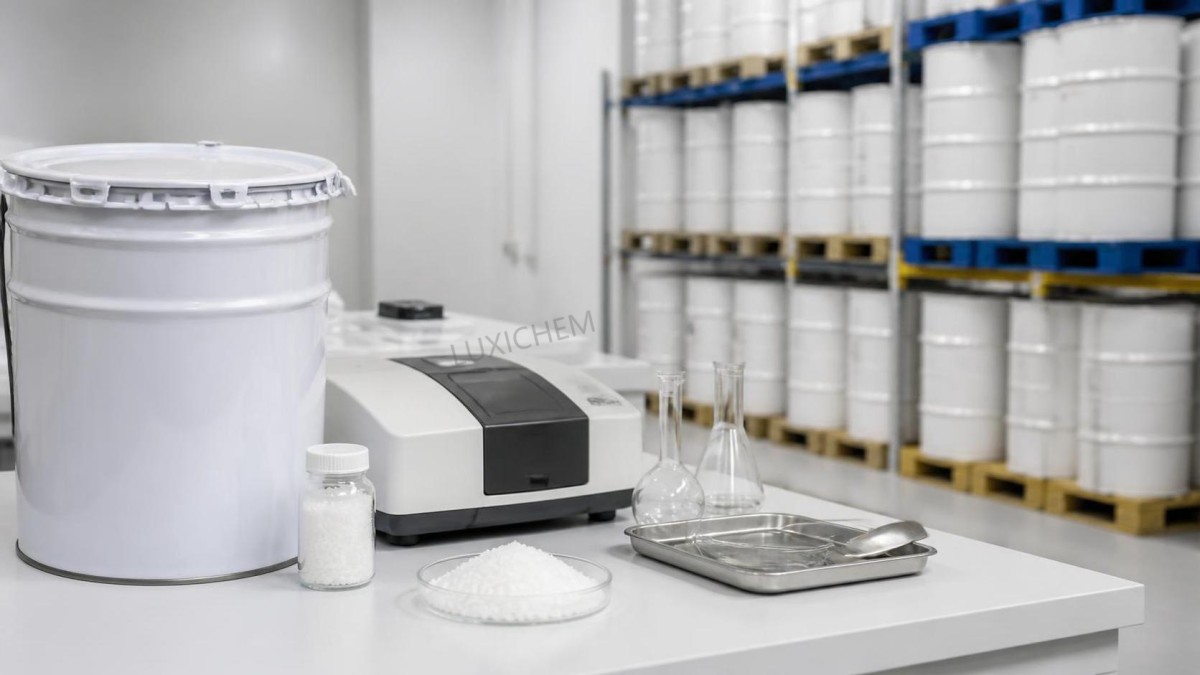
Physical checks reveal handling and storage problems that chemistry alone may miss
At goods receipt, inspect the outer package before sampling. Look for punctures, wet areas, broken seals, residue on the container exterior, evidence of tampering, unreadable labels, or pallets exposed to conditions that could compromise the contents. Record the observation rather than relying on an informal verbal assessment.
Then examine the material according to the approved sampling plan. Discoloration, unexpected odor, visible extraneous particles, hard agglomerates, or an unusual consistency may indicate poor storage, contamination, or a packaging failure. These observations do not identify the cause by themselves, but they are valid reasons to quarantine the batch pending evaluation.
Moisture exposure deserves attention even when it does not immediately cause a failed assay. It can affect flow, caking, dosing accuracy, and container hygiene. Where the material is used in automated feeding or premix operations, physical condition can create a practical processing issue before it becomes an analytical one.
Sampling must represent the delivered lot
A reliable laboratory result begins with a representative sample. Sampling only the top of one container may overlook variation introduced during filling, transport, or repackaging. The sampling plan should define the number of containers to sample, the sampling locations, the tools to use, sample retention, labeling, and measures to prevent contamination.
Use clean, compatible sampling tools and keep the sample chain of custody intact. Retain a sealed reference sample under defined conditions when the quality system requires it. This is especially useful if a later complaint, formulation deviation, or discrepancy between supplier and customer testing needs to be investigated.
Packaging is part of the food-safety control system
Food-grade BHT should be packed in a way that protects it from contamination, moisture, and mix-up throughout storage and transit. Packaging review should cover not only the material of construction but also closure integrity, tamper evidence where applicable, label durability, and whether the package is appropriate for the expected transport route.
Each container should be identifiable without opening it. At minimum, the receiving team needs a clear product name, batch or lot number, net weight, production or release reference where provided, and storage information. Relabeling at a distributor or warehouse creates added traceability risk unless the original supplier identity and batch relationship remain fully documented.
Warehouse segregation also matters. Food-use materials should be protected from materials with different regulatory status, strong odors, hazardous classifications, or incompatible handling requirements. For example, a pharmaceutical or research chemical such as Ketoconazole CAS#65277-42-1 belongs in separately controlled inventory and must not share sampling tools, open handling areas, or ambiguous labels with food-additive stock. The purpose is not to compare the products, but to prevent cross-contact and inventory mix-ups.
Traceability turns a quality claim into an investigable record
A batch should be traceable from supplier release through receipt, storage, dispensing, and use in a finished-product batch. In practical terms, the internal record should connect the supplier’s lot number to the receiving date, quantity, warehouse location, sampling record, test status, and production issue record. Where material is split into smaller containers, the link to the original lot must remain visible.
Traceability should also cover exceptions. If a container is damaged, reworked, returned, relabeled, or transferred between sites, record what happened, who authorized it, and whether additional testing was required. Gaps tend to become visible only during a deviation investigation, when reconstructing the material history is most difficult.
Review compliance documents carefully, but do not confuse them with release testing
Food-additive compliance may involve product specifications, declarations of conformity, allergen or GMO statements where relevant to the supply chain, origin information, and statements addressing the intended regulatory market. These documents are useful, but they serve different purposes. A compliance declaration does not replace batch-specific analytical data, while a certificate of analysis does not necessarily establish that a material is permitted for every food category or region.
Verify the current regulatory position for the intended food application and jurisdiction before approving use. This includes confirming whether BHT is authorized for the specific product category, whether use restrictions apply, and whether labeling or customer requirements introduce additional conditions. Regulatory interpretation should be controlled by the organization’s responsible compliance function rather than inferred from a supplier’s marketing description.
Document review should also test internal consistency. A certificate listing one grade, a declaration referring to another grade, and a package label using a shortened name should trigger clarification. Small inconsistencies can signal a simple administrative error, but they should be resolved before release to production.
When a batch should be held rather than released
Place the material on hold when the physical inspection conflicts with the certificate, the lot numbers do not match, required test results are missing, a critical result is out of specification, packaging integrity is questionable, or a supplier change has not been assessed. Do not compensate for an unclear issue by accepting a verbal explanation alone. Obtain corrected documentation, investigate the discrepancy, and determine whether resampling or confirmatory testing is justified.
A structured hold decision protects production from an avoidable formulation and food-safety risk. It also gives the supplier a clear basis for responding: the question is not whether the material “looks acceptable,” but whether its identity, quality status, and traceable compliance can be demonstrated for the actual delivered lot.
The strongest quality program therefore combines supplier qualification with receiving verification. For each food-grade shipment, the release decision should be supported by a coherent chain: approved specification, intact packaging, matched documentation, representative sampling, appropriate testing, controlled storage, and traceable use. That chain is what makes Butylated Hydroxytoluene a managed food-additive input rather than an unverified chemical purchase.
Related Picks
 Butylated Hydroxytoluene Price Drivers: Supply, Purity, and Purchasing Risk FactorsOct 21, 2026Butylated Hydroxytoluene price trends depend on supply stability, purity, logistics, and purchasing risk. Learn how to compare quotes wisely and reduce sourcing costs.
 Sodium Tripolyphosphate Price Trends: Raw Material and Energy ExposureOct 20, 2026Explore sodium tripolyphosphate price trends, from phosphate and soda ash costs to energy exposure. Learn how to compare quotes, manage sourcing risks, and make smarter purchasing decisions.
 Acetonitrile Shipment to Vietnam Successfully Dispatched; RCEP Benefits Boost Fine Chemical Trade with ASEANSep 16, 2026A shipment of industrial-grade acetonitrile from our company has recently been loaded and dispatched following the completion of standardized hazardous material packaging and container securing procedures.
 Nigerian Client’s Order of 4 Containers of Vinyl Acetate Successfully Loaded and Shipped to West AfricaSep 16, 2026We recently completed the loading of a vinyl acetate order for a Nigerian client; four containers of the product have been successfully packed and are ready for shipment to Nigeria.




Question Consultation
Send Us Your Inquiry Today

Luxi Chemical is a professional chemical product supplier with ample stock of all chemical categories and excellent quality, welcome your purchase inquiry.

