


What safety information applies to citric acid 77 92 9 handling?
What Safety Information Applies to Citric Acid 77 92 9 Handling?
Citric acid, CAS No. 77-92-9, is familiar to many production teams because it is widely used in food processing, detergents, personal care products, metal treatment, pharmaceuticals, and industrial formulations. That familiarity can create a misleading impression: because it is common in foods and consumer products, it may be treated as low-risk in a warehouse or production area. In practice, safe handling depends less on whether the substance is “food grade” and more on how it is received, transferred, dissolved, stored, and cleaned up.
For quality control and safety managers, the main concerns around citric acid 77 92 9 are usually airborne dust, eye contact, prolonged skin exposure, contamination control, moisture uptake, manual handling, and the difference between handling dry crystals or powder and handling a prepared solution. A current supplier Safety Data Sheet (SDS), the product specification, and the actual operating conditions should be reviewed together. The SDS is not a substitute for site-specific risk assessment, but it is the starting point for deciding what controls are appropriate.
Do Not Let Food-Use Familiarity Replace Chemical Controls
Citric acid is an organic acid. In solid form, it is commonly supplied as crystals, granules, or powder; it may also be supplied as anhydrous citric acid or citric acid monohydrate. These forms can behave differently in storage and processing, particularly where humidity and caking are concerns. They should not be assumed to have identical handling instructions simply because the CAS number is the same. Packaging labels, grade designation, particle size, and the supplier’s SDS should always match the material physically present on site.
The most immediate workplace effect of dry citric acid is usually irritation. Dust can irritate the eyes, nose, throat, and respiratory tract. Direct contact may cause discomfort or irritation, especially where skin is already damaged or where workers handle product repeatedly during a shift. A concentrated citric acid solution can also be irritating. The practical message is straightforward: edible use does not mean unrestricted exposure is acceptable in a manufacturing environment.
This distinction matters during routine work. Opening bags at shoulder height, emptying powder into an uncovered hopper, sweeping a spill with a dry broom, or using compressed air to clean a filling station can all create a larger dust exposure than the chemical’s ordinary reputation suggests. Many avoidable issues are caused by transfer methods rather than by the material itself.
Start With the Correct Safety Documents and Product Identity
Before citric acid 77 92 9 enters a process, the receiving team should verify the product name, CAS number, physical form, batch identification, net weight, packaging condition, and intended grade. This is particularly important in facilities that use citric acid in more than one department. A food-processing line may require a specific food-grade material and tighter foreign-material controls, while an industrial cleaning operation may use a different grade or packaging arrangement.
The SDS should be current and issued for the actual product supplied. Safety classifications and wording can vary by jurisdiction, concentration, hydrate form, and supplier data. A generic online SDS may be useful for orientation, but it should not replace the documentation tied to the delivered lot. Quality teams should also compare the certificate of analysis and product specification with purchase requirements, particularly where moisture, particle size, heavy metal limits, microbiological limits, or food-contact requirements are relevant to the application.
For companies managing several chemical categories, document control is often where small errors begin. A distributor or chemical supply partner may offer food additives, organic intermediates, and fertilizers under one procurement relationship, but receiving checks still need to be material-specific. Luxi Chemical (Shandong) Co., Ltd., for example, supplies chemical products to customers across multiple application sectors and markets. That kind of broad supply structure can simplify purchasing, while making it even more important that the end user confirms the correct SDS, grade, and handling route for each product.
Dust Control Is Usually the Real Operational Issue
In many facilities, citric acid handling becomes a safety concern at the bag-opening and charging stage. Powder that looks manageable in a sealed bag can become airborne when bags are cut open quickly, tipped from excessive height, or emptied into a vessel without local exhaust ventilation. The visible dust cloud is only part of the problem; fine material can settle on nearby equipment, floor edges, scales, electrical enclosures, and packaging surfaces.
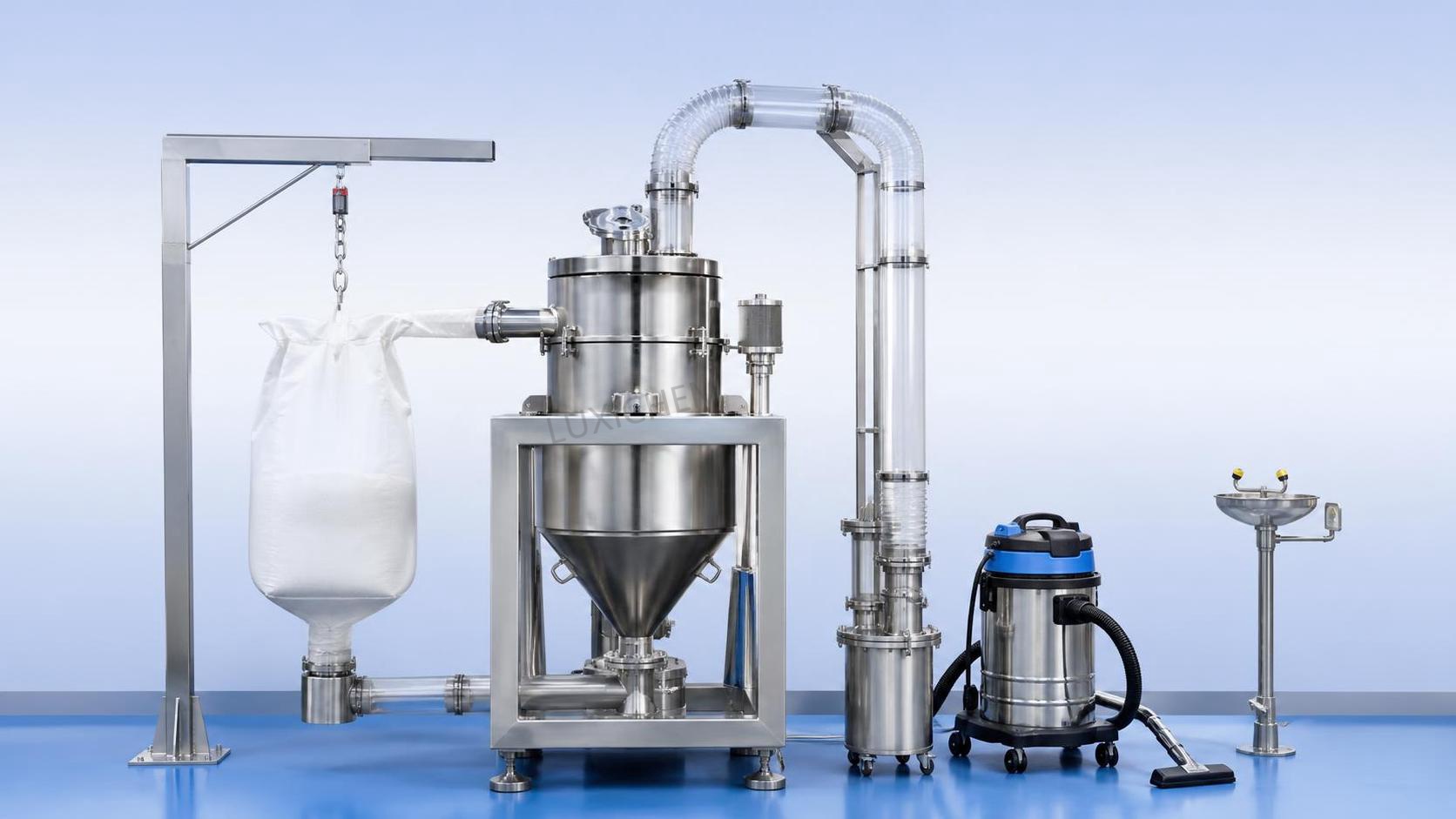
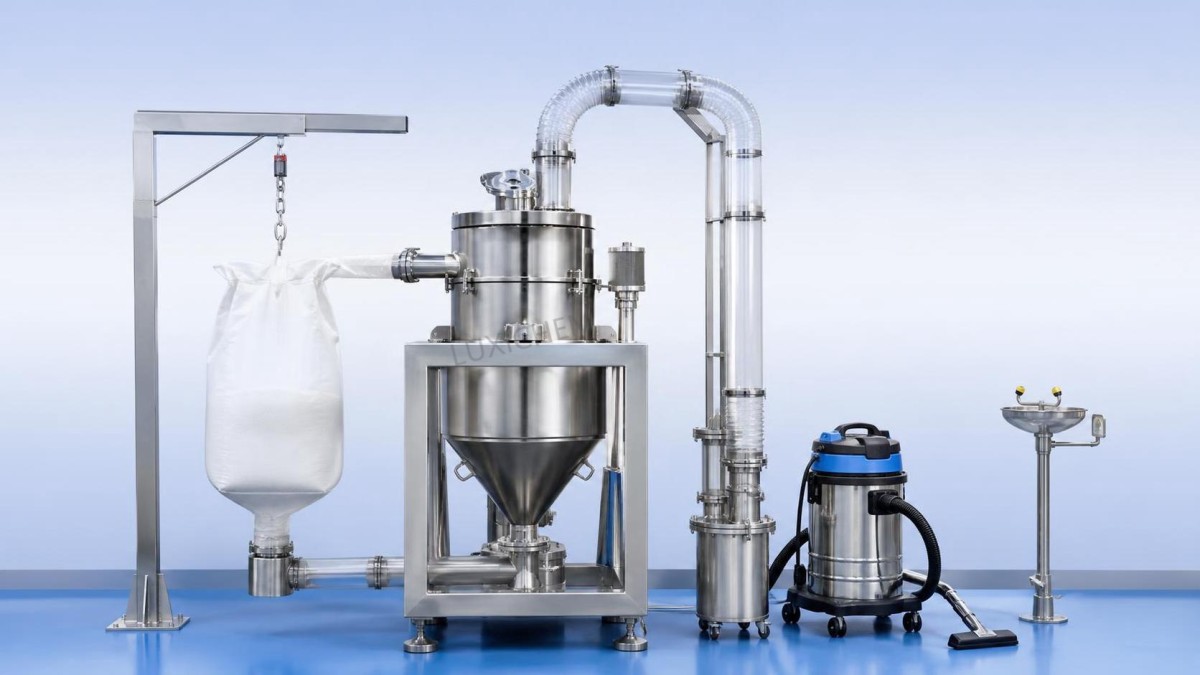
A sensible control strategy normally starts with containment rather than relying only on respirators. Covered charging stations, bag dump units with extraction, low-drop transfer points, enclosed screw conveyors, and appropriate vacuum systems can reduce exposure significantly. If manual charging is unavoidable, operators should be trained to open bags carefully, keep their face away from the opening, and avoid shaking empty bags unnecessarily.
Dry sweeping is rarely the best cleanup method for powder residues because it redistributes dust. Compressed-air cleaning is also a poor default practice in chemical areas unless a documented procedure specifically permits it and the resulting exposure has been assessed. A suitable industrial vacuum or a controlled damp-cleaning method is often more appropriate, provided that water use will not create a slip hazard, product residue issue, or incompatible waste stream.
Citric acid is an organic powder, so facilities handling meaningful quantities should not dismiss combustible-dust considerations without review. Whether this is relevant depends on particle size, dust concentration, equipment design, transfer energy, housekeeping, and the amount handled. The correct approach is to review the supplier information and carry out the site’s required dust hazard assessment rather than making assumptions based only on the product’s food-industry use.
PPE Should Match the Task, Not Just the Warehouse Rule
Basic personal protective equipment for routine closed-package handling may be different from the PPE needed for weighing, blending, spill response, or dissolving concentrated quantities. Safety glasses are a reasonable minimum where bags may be damaged or dust exposure is possible. During open handling of powder, tightly fitting chemical splash goggles are often more protective than ordinary spectacles because dust can enter from the sides.
Gloves should be selected based on the task and changed when contaminated or damaged. They are not useful if workers touch contaminated surfaces, then adjust their goggles or use shared controls. Protective clothing may be needed where repeated skin contact is possible, particularly in blending rooms and cleaning operations. Respiratory protection should be considered when engineering controls cannot adequately manage dust, but it must be part of a proper respiratory protection program that addresses fit, cartridge or filter selection, maintenance, training, and local legal requirements.
One common mistake is treating gloves and masks as the entire safety plan. PPE is the final layer. If a worker has to stand in a dust cloud to empty every bag, the process needs attention before simply adding more protective equipment.
Storage Conditions Affect Both Safety and Product Quality
Citric acid should generally be kept in tightly closed original packaging or suitable sealed containers in a dry, cool, well-ventilated area. Moisture is not only a quality issue. It can lead to clumping, difficult discharge, inaccurate weighing, residue buildup, and unexpected handling behavior when bags are opened. In food and daily chemical applications, poor storage can also complicate traceability and cleaning validation.
Store the material away from obvious sources of contamination, including strong odors, open water sources, leaking chemicals, and damaged pallets. Segregation from incompatible materials should follow the SDS and the site chemical compatibility system. Strong oxidizing agents commonly warrant careful separation from organic materials. Do not rely on a broad “non-hazardous chemicals” storage area if the materials in that area have not been checked for compatibility.
Pallets should remain stable and accessible. Repeatedly stacking or moving bags can create punctures that are not noticed until a powder leak develops. Warehouse teams often find that a simple receiving inspection for wet cartons, torn inner liners, hardened bags, and label damage prevents more trouble than an elaborate corrective action after a failed batch charge.
Where a site purchases multiple specialty materials, it is useful to avoid applying citric acid controls blindly to every product. For example, a material such as 2-Hydroxyethyl-n-octyl-sulde CAS#3547-33-9 requires its own SDS review, storage compatibility check, and handling instructions. Similar-looking drums, bags, or supplier labels do not indicate similar hazards.
Preparing Citric Acid Solutions Requires a Controlled Addition Method
Dissolving citric acid may appear routine, yet it can introduce its own set of control points. Workers should add solid material gradually in accordance with the approved batch procedure, using equipment that provides suitable mixing and limits splashing. The order of addition matters when citric acid is combined with other ingredients. In food, detergent, and personal care production, the sequence may affect not only safety but also pH control, clarity, viscosity, foaming, and final product consistency.
A quality control function should verify the intended concentration and pH using the site’s validated methods. It is not good practice to infer final acidity from the amount charged alone, especially when water quality, other ingredients, or process losses may influence the result. Containers holding prepared solutions should be labeled with material identity, concentration where applicable, preparation date, and any internal status information needed to prevent accidental use.
Emergency Response: Keep It Simple and Known
For eye exposure, prompt flushing with clean water is the immediate priority. Eyewash stations should be accessible from areas where open powder handling or solution preparation occurs; an eyewash located behind a locked door or across a busy warehouse aisle is not a practical emergency control. Seek medical advice when irritation persists or where the SDS and local procedures require further evaluation.
For skin contact, remove contaminated clothing as appropriate and wash the affected area thoroughly. If dust is inhaled and causes discomfort, move the person to fresh air and follow site first-aid procedures. Ingestion response should be guided by the SDS and medical advice; workers should not be encouraged to improvise remedies. Even with a substance that has food applications, occupational incidents should be treated through the established safety process.
For a spill, restrict unnecessary traffic, avoid generating dust, use appropriate PPE, and collect material by a controlled method. Material that has contacted the floor, a damaged pallet, or an unknown contaminant should not automatically be returned to production. That is as much a quality decision as a safety one. Disposal and reuse decisions need to follow the product’s intended application, contamination risk, local waste rules, and internal quality procedures.
The Most Useful Questions to Ask Before Handling
A practical review of citric acid 77 92 9 handling does not need to be complicated. Ask whether the delivered SDS matches the exact product, whether the work will generate dust, whether local extraction is adequate, whether workers can reach eyewash facilities quickly, and whether storage conditions will keep the material dry and identifiable. Then look at the actual operation: bag opening, weighing, charging, solution preparation, cleanup, and waste handling.
The best controls are usually visible in the day-to-day details. A clean charging point, intact packaging, clear labels, a dry store, trained operators, and a realistic spill procedure do more for safe citric acid use than a generic statement that the material is widely used or relatively familiar. When the product form, grade, process, and local requirements are reviewed together, citric acid can be handled in a controlled and dependable way across food processing, daily chemicals, and other industrial applications.
Related Picks
 Butylated Hydroxytoluene Price Drivers: Supply, Purity, and Purchasing Risk FactorsOct 21, 2026Butylated Hydroxytoluene price trends depend on supply stability, purity, logistics, and purchasing risk. Learn how to compare quotes wisely and reduce sourcing costs.
 Sodium Tripolyphosphate Price Trends: Raw Material and Energy ExposureOct 20, 2026Explore sodium tripolyphosphate price trends, from phosphate and soda ash costs to energy exposure. Learn how to compare quotes, manage sourcing risks, and make smarter purchasing decisions.
 Acetonitrile Shipment to Vietnam Successfully Dispatched; RCEP Benefits Boost Fine Chemical Trade with ASEANSep 16, 2026A shipment of industrial-grade acetonitrile from our company has recently been loaded and dispatched following the completion of standardized hazardous material packaging and container securing procedures.
 Nigerian Client’s Order of 4 Containers of Vinyl Acetate Successfully Loaded and Shipped to West AfricaSep 16, 2026We recently completed the loading of a vinyl acetate order for a Nigerian client; four containers of the product have been successfully packed and are ready for shipment to Nigeria.




Question Consultation
Send Us Your Inquiry Today

Luxi Chemical is a professional chemical product supplier with ample stock of all chemical categories and excellent quality, welcome your purchase inquiry.

