


What to Verify Before Choosing Polyvinyl Chloride Suppliers for Export Orders
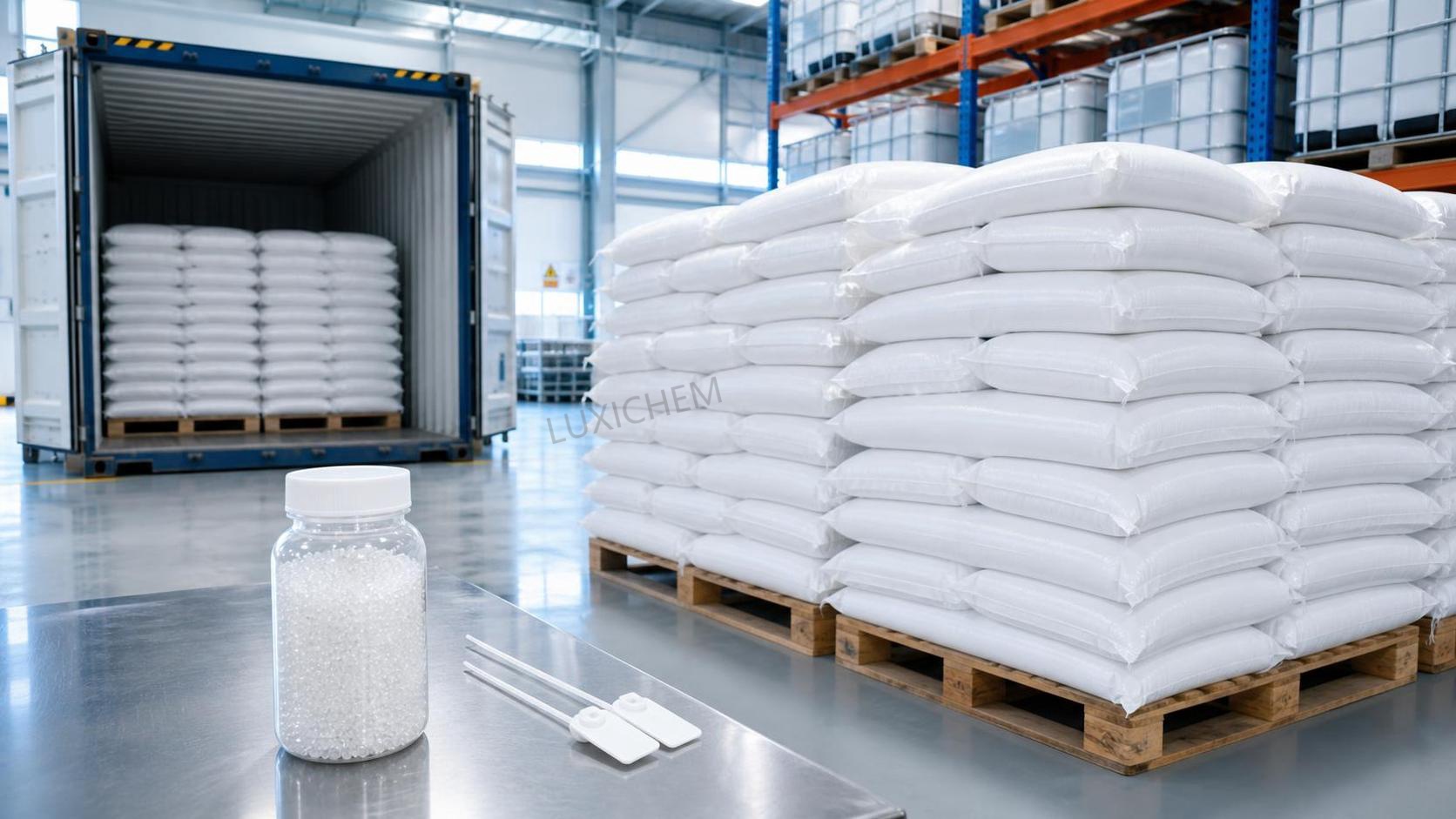
For an export buyer, choosing among polyvinyl chloride suppliers is rarely a simple matter of finding the lowest quotation. A PVC order can look competitive on a spreadsheet and still become expensive once inconsistent resin quality, incomplete documents, unsuitable packaging, port delays, or rejected cargo enter the picture. The real procurement task is to identify the supplier that can deliver the right grade, in the right condition, with records that stand up to customs clearance and downstream production requirements.
This is particularly important for PVC resin used in pipes, profiles, cable compounds, films, flooring, synthetic leather, and other applications where processing performance matters as much as the material’s listed specification. A minor variation in K value, bulk density, volatile matter, or impurity level may affect extrusion behavior, plasticizer absorption, surface appearance, and waste rates at the customer’s plant.
Before issuing a purchase order, procurement teams should verify the points below as a connected system—not as isolated boxes on a supplier questionnaire.
Begin with the PVC grade your process actually needs
“PVC resin” is not a sufficiently precise buying description. A reliable request for quotation should state the intended application and the measurable requirements behind it. If the material will be processed into rigid pipe, window profile, flexible cable insulation, or calendared film, the formulation and processing window will differ. Suppliers need enough information to recommend the correct suspension, emulsion, or bulk-polymerized PVC grade where applicable.
Ask for the current technical data sheet and confirm which values are controlled for the offered grade. Depending on the application, the review may include:
- K value or degree of polymerization;
- apparent or bulk density;
- volatile content and moisture;
- residual vinyl chloride monomer limits;
- particle size distribution and fish-eye level, where relevant;
- whiteness, impurity content, and thermal stability indicators;
- plasticizer absorption or porosity characteristics for flexible products;
- ash content and other values agreed in the purchase specification.
The key question is not whether a value appears on a data sheet, but whether the supplier can explain its normal production range, test method, and acceptance limits. Two materials may both be described as “K67 PVC,” yet show different behavior in a real compound because of differences in porosity, bulk density, or lot-to-lot control.
When purchasing for a converter rather than for your own factory, obtain the converter’s approved specification before contacting suppliers. This avoids a common and costly scenario: commercial teams buy a standard grade, while the processing team later finds that it does not run smoothly on the intended line.
Do not treat the COA as a formality
A certificate of analysis is one of the most useful documents in an export order, but only if buyers know how to read it. Request a recent batch COA before the contract is finalized, then compare it line by line with the technical data sheet and your agreed specification. The figures should be credible, complete, and tied to a batch or lot number.
Good due diligence also asks how the supplier samples and tests cargo. Is testing completed per production batch, per warehouse lot, or only on a composite sample? Which laboratory method is used? Can the supplier provide test records or arrange third-party inspection when the order value or application risk justifies it? A supplier that can answer these questions clearly is easier to manage than one that only sends a generic PDF.
For repeat buying, define what happens if a shipment falls outside the agreed specification. The sales contract should identify the governing quality standard, sampling method, inspection timing, claims period, and remedy process. Without these details, a dispute about “off-spec material” can become an argument over whose test result is valid.
Compliance should be checked against the destination market, not assumed
PVC is widely traded, but its import requirements are not identical across markets. Buyers should verify the regulatory and customs expectations of the importing country before loading is booked. The required document set may include a commercial invoice, packing list, bill of lading, certificate of origin, certificate of analysis, safety data sheet, and documents related to product classification or chemical compliance.
For certain destinations or end uses, buyers may also need evidence concerning restricted substances, residual monomer, food-contact suitability, or specific labeling obligations. These needs are application-dependent. PVC for construction products does not necessarily require the same declarations as material intended for food packaging-related processing or consumer goods.
Ask the supplier to provide an up-to-date SDS that matches the exact product name, grade, and exporting entity. Confirm the HS code with your customs broker rather than relying only on a supplier’s past shipment practice. Tariff treatment, anti-dumping measures, safeguard duties, and local import controls can materially change the landed cost.
It is wise to distinguish between a supplier saying “we can provide documents” and the supplier demonstrating that the documents are internally consistent. Company name, product description, weight, lot details, country of origin, and contract terms should align across the full shipping set. Small mismatches can delay clearance at precisely the moment the buyer needs raw material on the production floor.
Evaluate production capability beyond a capacity claim
Large stated capacity is reassuring, but it is not the same as available capacity for your grade during your shipping window. Ask whether the offered PVC grade is produced regularly, whether it is stocked or made to order, and what lead time applies in normal and peak periods. A supplier with moderate output but dependable allocation can be a safer partner than one with a broad product catalog but uncertain scheduling.
Useful questions include:
- Is the material produced by the supplier, sourced from a producer, or traded through multiple parties?
- Can the seller identify the manufacturing site and usual loading location?
- What is the minimum order quantity for the grade and packaging format?
- How are production changes, maintenance shutdowns, or allocation restrictions communicated?
- Can the supplier maintain the same grade and specification over a planned series of shipments?
There is no universal answer that says manufacturers are always preferable to trading companies. A capable trading enterprise may offer broader sourcing flexibility, consolidated shipments, and easier access to multiple chemical categories. The important point is transparency. Buyers should know who controls production, who owns the inventory, and who is contractually responsible for quality and delivery.
For organizations managing more than one chemical input, a supplier’s broader operating discipline can also be revealing. A company that handles food additives, organic intermediates, fertilizers, and specialty materials such as Cesium carbonate CAS#534-17-8 may have established procedures for documentation, packaging coordination, and export communication. That does not replace PVC-specific verification, but it can be relevant when assessing whether one partner can support consolidated procurement.
Packaging is part of product quality in international trade
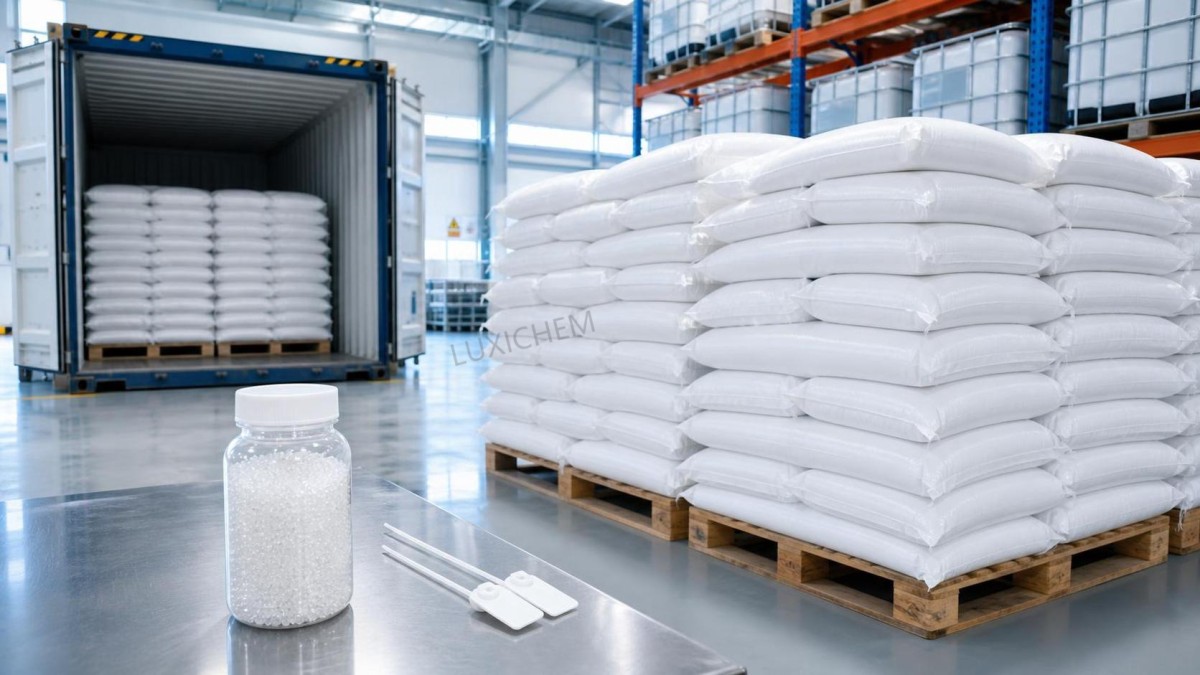
PVC resin is usually stable in transit when properly packed, yet damaged packaging can introduce moisture, contamination, handling losses, and claim disputes. Specify the packaging rather than merely accepting “standard export packing.” Buyers should confirm bag material, net weight per bag, palletization method if used, stretch wrapping, outer protection, marking, and container loading approach.
For example, 25 kg bags may be practical for many users, while larger bags may reduce handling cost for facilities equipped for bulk feeding. Neither option is automatically better. The choice should reflect warehouse equipment, local labor conditions, storage space, and the risk of bag damage during inland transport.
Request photos of actual packed cargo, not only marketing images. If moisture protection is important for the route or season, clarify whether container liners, desiccants, or additional protective measures will be used and who bears the cost. Also state whether split lots are acceptable. Mixing different production lots in one container may be manageable, but only when lot identification remains clear and the receiving plant has approved the practice.
Compare delivered cost, not just the resin price
The lowest FOB price can lose its advantage quickly. Procurement teams should build a landed-cost comparison that includes the full route from the supplier’s loading point to the receiving warehouse. Depending on the agreed Incoterm, this may include inland haulage, export documentation, terminal handling, ocean freight, insurance, destination charges, duties, taxes, customs brokerage, demurrage risk, and local delivery.
Incoterms need to be written precisely, including the named port or place and the applicable version. “CIF Europe” or “FOB China” is too vague for an enforceable commercial understanding. The shipment date should also be defined: does it mean cargo ready date, container gate-in date, on-board bill of lading date, or estimated arrival?
Price comparisons should use the same currency basis, payment terms, quantity, packaging, and delivery window. A quotation with a longer validity period or more flexible payment condition may carry genuine value, especially in volatile freight or feedstock markets. Conversely, an unusually low offer should prompt practical questions: Is it based on available stock? Is the grade identical? Are local charges excluded? Is the seller assuming a freight rate that may no longer be available?
Test the supplier’s export execution before scaling up
For a first order, the most sensible approach is often a controlled trial shipment rather than immediate full-volume commitment. A trial allows the buyer to assess three things that paperwork alone cannot prove: material performance, communication speed, and actual logistics discipline.
During this stage, agree on a simple pre-shipment process. The supplier sends the draft packing list, COA, packing photos, container number, seal number, and shipping document drafts within defined timeframes. The buyer checks consistency before final documents are released. If an independent inspection agency is involved, arrange the timing early enough that inspection does not miss the vessel cut-off.
After the cargo arrives, record the condition of bags, pallets, seals, and container interior before unloading. Retain samples according to your internal procedure. If there is a complaint, photos taken after all bags have been moved or discarded may not be enough to establish what happened during transport.
Look for consistency in communication, because it predicts operational risk
Procurement professionals often recognize risk from small signals: answers that change between emails, unexplained differences between quotation and COA, reluctance to identify the loading point, or repeated pressure to accept vague contract wording. These are not necessarily proof of bad intent, but they should trigger further verification.
Strong polyvinyl chloride suppliers tend to make the transaction easier to audit. They can explain the grade, provide usable documents, identify responsibilities, and alert customers early when a schedule changes. In export trade, early notice is valuable. A delayed shipment may still be manageable if the buyer has time to adjust production plans or secure temporary inventory; a surprise delay is far harder to absorb.
It also helps to identify one commercial contact and one operations or documentation contact. Sales teams handle the relationship, but shipping questions often need a faster, more technical response. Clear escalation paths reduce confusion when a vessel rollover, documentation correction, or port issue occurs.
A practical approval checklist for procurement teams
Before approving a new supplier for a commercial PVC order, make sure the file contains the following: an agreed product specification; a current technical data sheet; a batch-linked sample COA; SDS and destination-market compliance documents; confirmation of producer or supply-chain role; packaging and marking details; Incoterms with a named port or place; a realistic shipment schedule; payment and claims terms; and an internal landed-cost calculation.
For larger or recurring programs, add a sample evaluation, pre-shipment inspection plan, approved-lot procedure, and a review of past delivery performance. These steps may feel detailed at the beginning, but they prevent much larger disruptions later.
The best sourcing decision is not simply the offer with the most attractive unit price. It is the offer that gives the purchasing team confidence in what will arrive, when it will arrive, and how any issue will be resolved. When polyvinyl chloride suppliers are evaluated through product fit, documentary control, logistics readiness, and total cost, export purchasing becomes far more predictable—and long-term supply relationships have a stronger foundation.
Related Picks
 Butylated Hydroxytoluene Price Drivers: Supply, Purity, and Purchasing Risk FactorsOct 21, 2026Butylated Hydroxytoluene price trends depend on supply stability, purity, logistics, and purchasing risk. Learn how to compare quotes wisely and reduce sourcing costs.
 Sodium Tripolyphosphate Price Trends: Raw Material and Energy ExposureOct 20, 2026Explore sodium tripolyphosphate price trends, from phosphate and soda ash costs to energy exposure. Learn how to compare quotes, manage sourcing risks, and make smarter purchasing decisions.
 Acetonitrile Shipment to Vietnam Successfully Dispatched; RCEP Benefits Boost Fine Chemical Trade with ASEANSep 16, 2026A shipment of industrial-grade acetonitrile from our company has recently been loaded and dispatched following the completion of standardized hazardous material packaging and container securing procedures.
 Nigerian Client’s Order of 4 Containers of Vinyl Acetate Successfully Loaded and Shipped to West AfricaSep 16, 2026We recently completed the loading of a vinyl acetate order for a Nigerian client; four containers of the product have been successfully packed and are ready for shipment to Nigeria.




Question Consultation
Send Us Your Inquiry Today

Luxi Chemical is a professional chemical product supplier with ample stock of all chemical categories and excellent quality, welcome your purchase inquiry.

