


What to ask a polypropylene manufacturer before approving samples
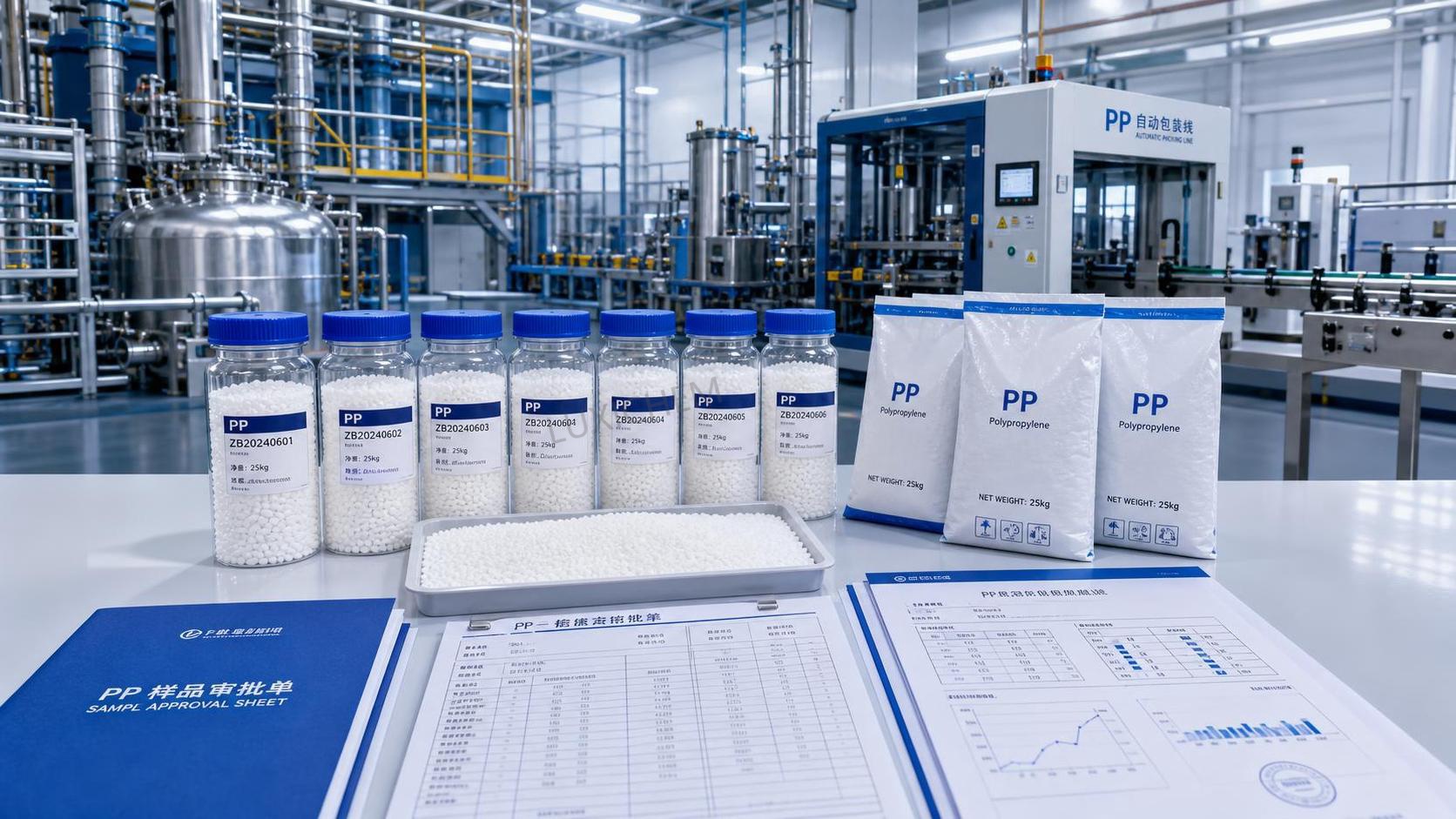
Before approving samples from a polypropylene manufacturer, business evaluators need to confirm one practical point: can this supplier reproduce the same quality, documentation, and delivery performance at commercial scale? A sample that looks acceptable in a lab or trial run does not automatically prove long-term supply reliability. The right questions help you uncover hidden variation, compliance gaps, and supply risks before they affect production, customer commitments, or procurement cost.
For most buyers, the search intent behind “polypropylene manufacturer” at this stage is not basic product education. It is supplier qualification. Readers want a decision framework they can use before moving from technical testing to commercial approval. That means the most useful questions are those tied to batch consistency, specification control, traceability, lead time, packaging, regulatory support, and how the manufacturer handles change.
What are you really validating when you assess a polypropylene manufacturer?
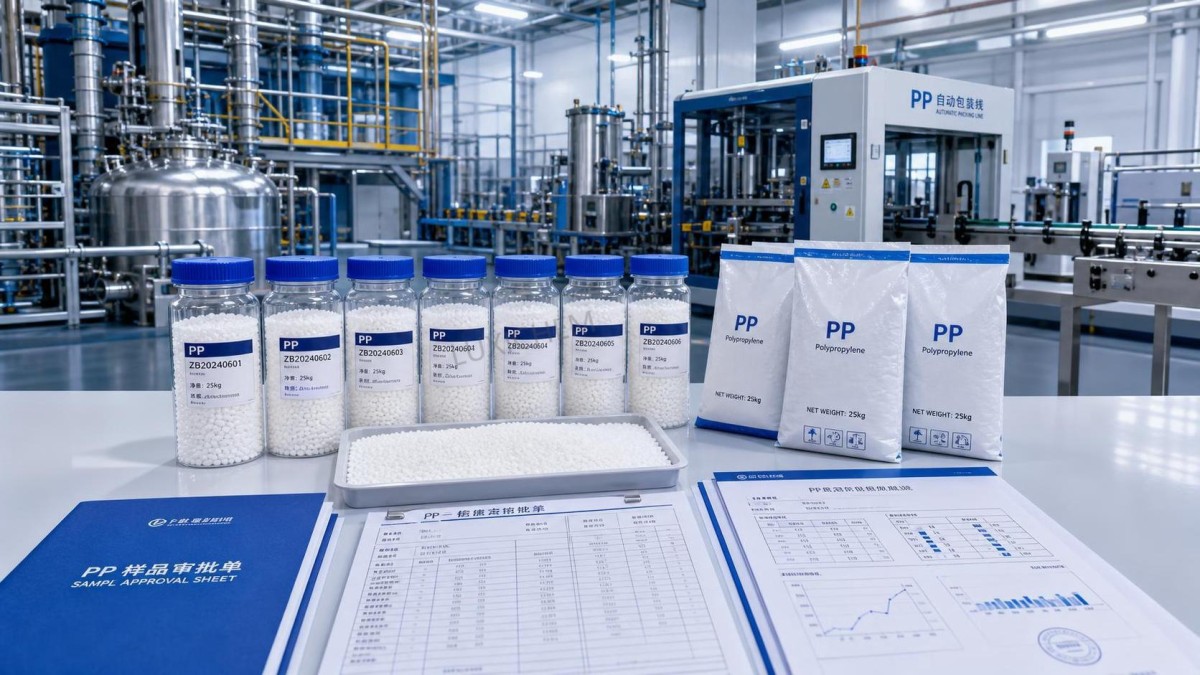
When a supplier sends a polypropylene sample, the material itself is only one part of the evaluation. Business assessors should also be testing whether the manufacturer has the process discipline and service structure to support repeat orders. A sample is a starting signal, not proof of full capability.
In practice, approval should depend on whether the manufacturer can consistently deliver the same resin grade, within the same tolerance window, with stable lead times and complete documentation. If those basics are weak, even a good sample can become a costly procurement mistake.
This is why the best questions are not limited to “What is the price?” or “Does the sample pass?” They should also reveal how the supplier manages raw materials, production controls, quality deviations, logistics, and customer communication. Those answers tell you whether the relationship can scale safely.
Can the manufacturer guarantee batch-to-batch consistency?
Consistency is usually the first serious question to ask a polypropylene manufacturer before sample approval. One qualified sample is useful, but your actual procurement risk begins when the first, fifth, and twentieth shipment must all perform the same way in your production environment.
Ask which properties are routinely controlled for the specific grade you are testing. That may include melt flow rate, tensile strength, impact resistance, density, ash content, color stability, odor level, and additive package. The supplier should explain both target values and acceptable production tolerances.
You should also ask how often these properties are tested and whether results are recorded by batch. A manufacturer that cannot provide structured, batch-level quality data is asking you to trust future consistency without evidence. That is not a strong basis for commercial approval.
Another useful question is whether the sample came from standard production or from a specially selected lot. If the sample was prepared under exceptional conditions, it may not represent regular supply performance. For procurement evaluation, representative output matters more than a best-case demonstration.
What technical documents should be available before approval?
Documentation is one of the clearest indicators of supplier maturity. Before approving samples, ask for the technical data sheet, certificate of analysis format, safety data sheet, packaging details, and any relevant compliance declarations linked to your target market and application.
A reliable polypropylene manufacturer should be able to explain which values on the data sheet are typical and which are controlled release specifications. This distinction matters. Typical values describe average performance, while release specifications define whether a shipment is acceptable for delivery.
It is also worth asking how quickly updated documents can be issued when regulations or customer requirements change. In global procurement, late or incomplete paperwork often causes as much disruption as product defects. Strong documentation support lowers operational friction across purchasing, customs, and quality teams.
If your internal process includes supplier onboarding, ask for plant certifications, quality system information, and export experience as well. A capable producer should understand that sample approval is only one step in a broader commercial qualification process.
How does the manufacturer control raw materials and process stability?
Even when sample performance looks acceptable, upstream control remains critical. Ask what raw materials are used for the grade, whether sourcing is stable, and how the producer manages changes in feedstock, additives, or auxiliary materials. Uncontrolled input changes can alter downstream performance.
You should also ask what happens when production parameters drift. Is there an internal hold procedure? Are off-spec lots reworked, downgraded, or blocked from shipment? Clear answers here reveal whether the manufacturer is operating with disciplined quality control or reacting case by case.
Business evaluators often focus on price negotiations too early. A better sequence is to confirm process stability first. If the manufacturing process is not controlled, lower pricing can quickly be offset by line stoppages, claims, requalification work, or customer complaints.
This same principle applies across chemical sourcing categories. Buyers that evaluate industrial materials, intermediates, or specialty compounds often use a similar framework. For example, when reviewing products such as Molybdenum trioxide CAS#1313-27-5, experienced procurement teams also verify specification discipline, documentation readiness, and supply continuity before approval.
Can the supplier support your compliance and application requirements?
Not every polypropylene manufacturer is suitable for every end use. Before approving a sample, ask whether the grade is intended for injection molding, extrusion, fiber, film, raffia, or another application. Then confirm that the supplier understands the processing and regulatory demands of that application.
If your use case involves food contact, consumer goods, medical-adjacent components, or export to regulated regions, ask which declarations and regulatory support can be provided. You should not assume a general-grade supplier can automatically support specialized compliance requirements.
It is also important to ask whether any formulation changes will be communicated in advance. A supplier may maintain the same product name while adjusting stabilizers, fillers, or additives. If your production process is sensitive, even a small unannounced change can create serious downstream issues.
Good suppliers do not treat compliance as a one-time file exchange. They understand that customers need ongoing support, especially when regulations shift or downstream clients ask for new declarations. That responsiveness should be part of your approval decision.
What lead time, capacity, and delivery reliability can they actually commit to?
Sample approval often focuses on technical fit, but procurement success depends equally on whether the manufacturer can supply at the volumes and timing your business requires. Ask for standard lead time, minimum order quantity, monthly capacity, and flexibility during demand fluctuations.
You should also ask whether the supplier exports regularly to your region and how shipments are usually arranged. An experienced exporter can usually explain packaging options, container loading practices, transit expectations, and how they manage delivery documentation for customs clearance.
For business evaluators, one key question is whether the supplier’s capacity commitment is firm or only indicative. Some manufacturers quote attractive supply capability during onboarding but prioritize larger or domestic customers during tight market periods. You need clarity before depending on that source.
Another useful point is contingency planning. Ask what happens if there is a plant shutdown, utility disruption, or raw material shortage. A manufacturer that has no backup strategy may still be suitable for spot purchasing, but it may not be appropriate for stable, long-term procurement.
How are complaints, deviations, and after-sales issues handled?
One of the most revealing questions to ask a polypropylene manufacturer is how they manage problems after shipment. Every industrial supply chain eventually faces some variation, delay, or dispute. What matters is whether the supplier has a structured and timely response process.
Ask how complaints are submitted, what evidence is required, who reviews technical issues, and how quickly preliminary feedback is normally provided. A mature supplier should be able to describe an internal corrective action process rather than giving vague assurances.
You should also ask whether retained samples are kept and whether batch traceability extends through production and shipment. When an issue occurs, traceability allows the manufacturer to investigate root cause efficiently instead of relying on guesswork or negotiation pressure.
Commercial teams often overlook this during sample review because no problem has happened yet. That is precisely why the question matters. The best time to understand dispute handling is before you commit orders, not after a production loss or quality claim.
What commercial questions should be clarified before moving forward?
Once technical and supply fundamentals are clear, commercial alignment becomes easier and more meaningful. Ask whether the quoted price is tied to a specific grade, packaging format, trade term, order volume, or validity period. Hidden assumptions in quotations create avoidable friction later.
You should also confirm payment terms, order confirmation timing, sample-to-order equivalence, and whether future lots will require reapproval after any process adjustment. These details may seem administrative, but they directly affect procurement speed and internal approval confidence.
For many business assessors, another practical question is whether the supplier can support multi-product sourcing. Companies with broader chemical trade capability can sometimes reduce purchasing complexity by consolidating shipments, documentation flow, and communication across categories.
That broader sourcing perspective is relevant when evaluating partners with diverse chemical portfolios. A company serving multiple sectors may be better positioned to support coordinated procurement needs, whether the requirement is polypropylene-related material or products such as Molybdenum trioxide CAS#1313-27-5 within a wider industrial sourcing plan.
How should you decide whether to approve the sample?
The final decision should combine technical fit, documentation quality, supply reliability, and commercial clarity. A polypropylene manufacturer deserves approval only when the sample is matched by evidence that future mass supply will remain stable, traceable, and supportable.
If the supplier gives clear answers, provides batch-based records, demonstrates process control, and shows realistic delivery capability, approval is usually justified. If answers remain vague, documents are incomplete, or commitments seem inconsistent, it is better to delay than to approve on assumption.
For business evaluators, the key lesson is simple: approving samples is not about liking the material in isolation. It is about confirming whether the supplier can perform as a long-term business partner. The strongest procurement decisions come from structured questions asked before risk enters the supply chain.
In short, the right polypropylene manufacturer is not merely the one that sends a good sample. It is the one that proves consistency, compliance, communication, and dependable execution. Those are the factors that protect cost, continuity, and customer confidence long after the sample stage is over.
Related Picks
 Butylated Hydroxytoluene Price Drivers: Supply, Purity, and Purchasing Risk FactorsOct 21, 2026Butylated Hydroxytoluene price trends depend on supply stability, purity, logistics, and purchasing risk. Learn how to compare quotes wisely and reduce sourcing costs.
 Sodium Tripolyphosphate Price Trends: Raw Material and Energy ExposureOct 20, 2026Explore sodium tripolyphosphate price trends, from phosphate and soda ash costs to energy exposure. Learn how to compare quotes, manage sourcing risks, and make smarter purchasing decisions.
 Acetonitrile Shipment to Vietnam Successfully Dispatched; RCEP Benefits Boost Fine Chemical Trade with ASEANSep 16, 2026A shipment of industrial-grade acetonitrile from our company has recently been loaded and dispatched following the completion of standardized hazardous material packaging and container securing procedures.
 Nigerian Client’s Order of 4 Containers of Vinyl Acetate Successfully Loaded and Shipped to West AfricaSep 16, 2026We recently completed the loading of a vinyl acetate order for a Nigerian client; four containers of the product have been successfully packed and are ready for shipment to Nigeria.




Question Consultation
Send Us Your Inquiry Today

Luxi Chemical is a professional chemical product supplier with ample stock of all chemical categories and excellent quality, welcome your purchase inquiry.

