


When does powdered citric acid clump during storage and handling?
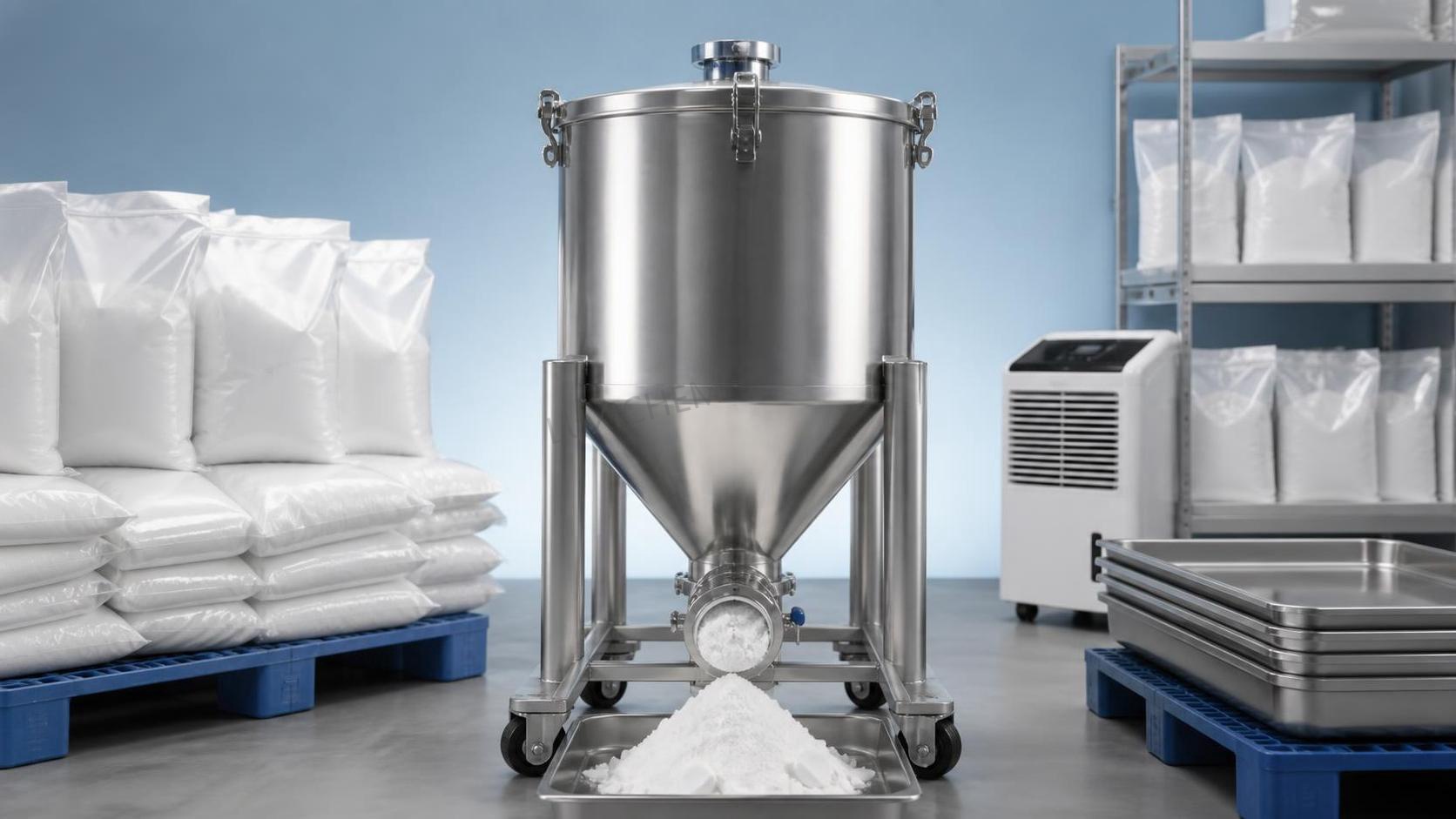
When Does Powdered Citric Acid Clump During Storage and Handling?
Powdered citric acid can clump when it absorbs moisture, experiences temperature swings, faces compression, or is exposed to unsuitable packaging and handling conditions.
For operators, clumping is more than an appearance issue. It can interrupt dosing, reduce flowability, create uneven batches, increase cleanup work, and cause avoidable material losses.
This guide explains when powdered citric acid is most likely to cake, how to identify the cause, and what practical controls protect product performance.
Why Powdered Citric Acid Starts to Clump
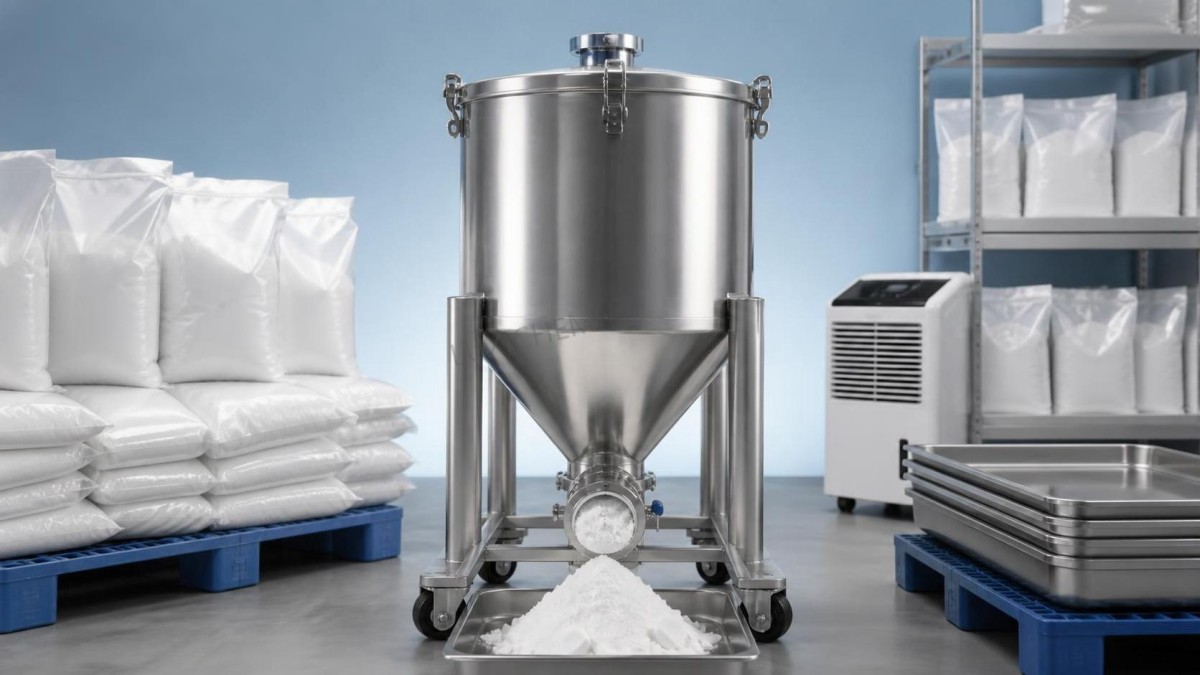
Powdered citric acid is hygroscopic, meaning it can attract and absorb water vapor from surrounding air, especially when humidity rises during storage or transfer.
Once moisture reaches the particle surface, small crystals begin sticking together. Continued exposure can form soft lumps first, followed by firmer and larger caked masses.
Clumping does not always mean the material is contaminated or chemically unusable. However, it often means the powder will no longer flow consistently through normal equipment.
The most common trigger is humid air entering an opened bag, drum, hopper, or transfer line. Even brief exposure matters in warm and damp environments.
Fine powdered grades are generally more sensitive because they have a larger surface area. More exposed surface means more opportunities for moisture adsorption.
Citric acid may also compact under its own weight during long storage periods. Pressure between particles can strengthen moisture-related bonds and make lumps harder to break.
Operators should distinguish between free-flowing powder with occasional soft agglomerates and dense caking that cannot pass through screens, feeders, or pneumatic transfer systems.
Storage Conditions That Create the Highest Clumping Risk
High relative humidity is the primary environmental risk. Storage areas with persistent dampness, poor ventilation, or frequent door openings create conditions that promote caking.
Powdered citric acid is particularly vulnerable when warehouse humidity rises above normal controlled-storage levels, although the actual risk depends on packaging integrity and exposure duration.
Temperature changes can be equally important. Moving sealed product from a cold area into warm humid air may create condensation on outer packaging or inside partially opened containers.
Condensation can occur when warm air contacts a cold product surface. Moisture then migrates toward the powder after the package is opened or poorly resealed.
Repeated day-to-night temperature cycles are also problematic. They encourage gradual moisture movement through weak packaging seams, closures, punctures, and damaged moisture barriers.
Storage directly on concrete floors increases risk because floors can transmit moisture and temperature changes. Pallets provide separation and improve air circulation around packages.
Placing bags against exterior walls may expose them to localized condensation, especially in seasonal climates. Leave practical clearance for inspection, cleaning, and airflow.
Long storage periods increase the probability of caking. Even a well-protected product should be managed under a first-in, first-out inventory system.
How Packaging Failures Affect Powder Flow
Packaging is the first moisture barrier for powdered citric acid. A sound bag, liner, seal, drum lid, or closure is essential for maintaining stable flow properties.
Small punctures can be enough to allow humid air into a package over time. Damage from forks, sharp pallet edges, dragging, or stacking pressure deserves immediate attention.
Outer paper bags may provide handling strength, but an intact inner moisture-resistant liner is often the critical protective layer for moisture-sensitive powder grades.
After opening, the original protection changes completely. A bag that remains loosely folded or unsecured can absorb moisture rapidly during a single production shift.
Reseal opened packages immediately using suitable closures. If repeated access is necessary, transfer material to clean, dry, sealed containers designed for powder storage.
Do not return unused powder to the original package unless contamination control and moisture exposure are fully understood. Returned material can compromise the remaining batch.
Inspect received packaging before acceptance. Look for torn liners, wet spots, collapsed bags, damaged tape, loose closures, or visible hardened areas near package corners.
For multi-site operations, document packaging observations by batch number. This helps separate a warehouse issue from a supplier, transport, or handling problem.
Handling Activities That Commonly Cause Caking
Opening material in a humid processing room is one of the most frequent causes of powdered citric acid clumping during normal daily operations.
Long open exposure during weighing creates unnecessary risk. Prepare scales, containers, labels, and batch records before opening the package to reduce exposure time.
Using wet scoops, damp gloves, unclean funnels, or recently washed equipment can introduce localized moisture directly into the powder. These sources are easy to overlook.
Operators should confirm that contact tools are clean and completely dry. Air-dried equipment may still retain moisture in seams, valves, joints, or crevices.
Warm powder transferred into a cooler container can create localized condensation. Allow materials and equipment to stabilize near the same operating temperature when possible.
Vibration during transport usually does not create clumps by itself. However, it can compact already humid powder and cause soft agglomerates to become firmer cakes.
Excessive stacking pressure can have a similar effect. Avoid storing pallets above approved stacking limits, particularly when bags have been stored for extended periods.
Some handling systems create dead zones where powder remains still. Material in these zones may absorb moisture and later break loose as lumps during production.
What Clumping Means for Production Quality
Clumped citric acid may not dose accurately through volumetric feeders. Uneven powder flow can result in inconsistent acidity, flavor, cleaning performance, or reaction control.
In food processing, poor dispersion can create localized sourness or delayed dissolution. This may affect product consistency, batch time, and downstream quality checks.
In detergent and cleaning formulations, lumps can reduce mixing efficiency. They may also block screens, transfer lines, hopper outlets, and small-scale dispensing equipment.
When citric acid is used as an acidulant, chelating agent, pH adjuster, or processing aid, predictable particle flow is often as important as chemical purity.
Operators should avoid assuming that all clumps can be safely crushed and used. The decision depends on the application, contamination risk, quality requirements, and internal procedures.
Soft, dry agglomerates may be screened under controlled conditions in some operations. Hard, wet, discolored, or suspicious material requires formal quality evaluation.
Documenting the severity of caking helps quality teams make better decisions. Note whether lumps crumble by hand, pass a specified sieve, or resist normal processing.
Where critical dosing is involved, do not rely on visual judgment alone. Confirm bulk density, flow behavior, dissolution performance, and relevant product specifications when necessary.
A Practical Inspection Routine for Operators
Check each package before moving it into production. Confirm that the outer package is dry, undamaged, correctly labeled, and free from visible leakage.
Before opening, inspect the storage area for humidity sources, water leaks, condensation, wet floors, and recently cleaned equipment that has not fully dried.
After opening, observe the material surface before scooping. A free-flowing powder should move readily, while early caking may appear as small soft clusters.
Use a clean dry scoop to test movement gently. Do not force hard lumps through a screen before determining whether moisture or contamination caused the problem.
Record the lot number, opening date, observed condition, and action taken. Simple records can reveal patterns tied to shifts, seasons, suppliers, or warehouse locations.
For high-volume processes, establish an acceptance standard for flowability. A defined sieve test or feeder trial gives more consistent decisions than informal visual checks.
Train operators to report early warning signs rather than waiting for a blockage. Small clumps often indicate conditions that can affect unopened nearby packages.
Routine inspection also protects inventory accuracy. Product that is difficult to transfer may lead to spillage, incomplete bag emptying, and inaccurate material consumption records.
Recommended Storage and Handling Controls
Store powdered citric acid in a cool, dry, clean location away from direct sunlight, water sources, steam lines, open doors, and uncontrolled outdoor air.
Use pallets to keep packages off floors and maintain spacing from walls. This reduces moisture transfer and allows staff to inspect packages more effectively.
Maintain stable warehouse conditions where feasible. Preventing rapid temperature shifts is often more practical and effective than reacting after condensation has occurred.
Keep packages sealed until they are needed. Plan production quantities so operators open only the amount required for the immediate batch or shift.
Use dedicated dry utensils and containers for citric acid handling. Store these tools in protected locations so they do not collect wash water or ambient moisture.
For operations with recurring humidity issues, consider dehumidification, enclosed transfer systems, sealed hoppers, or shorter package-open times as corrective measures.
Material selection also matters across a chemical purchasing program. For example, packaging and storage needs should be reviewed separately for products such as Calcium tungstate CAS#7790-75-2 and moisture-sensitive acid powders.
Do not apply one storage rule to every chemical product. Review each product’s safety data, technical specification, packaging format, and intended operating environment.
How to Respond When Powdered Citric Acid Has Already Clumped
First, isolate the affected package or container from normal use. Prevent operators from mixing questionable material with verified free-flowing inventory without approval.
Determine whether the clumps are dry and loose or wet and hard. Check for discoloration, foreign particles, unusual odor, damaged packaging, and evidence of water contact.
If the material remains within approved quality limits, a controlled screening step may restore handling performance. Follow site procedures and application-specific requirements before processing.
Do not use improvised tools or unclean crushing methods. These can introduce metal fragments, plastic debris, moisture, or cross-contamination into the product.
Where quality risk is uncertain, retain a representative sample and notify quality personnel. Include warehouse conditions, package status, batch information, and handling history.
Investigate surrounding inventory as well. Nearby bags from the same pallet, location, or delivery may have experienced the same environmental exposure.
Corrective action should address the root cause, not only the affected powder. Replacing product without fixing humidity, condensation, or resealing practices will repeat the issue.
After corrective measures, monitor subsequent packages closely. This confirms whether the control worked and provides evidence for preventive maintenance or supplier communication.
Key Takeaway for Reliable Powder Flow
Powdered citric acid clumps mainly when moisture enters the product, while temperature cycling, compression, damaged packaging, and prolonged storage make the condition worse.
The most effective prevention is straightforward: keep the product sealed, dry, cool, protected from condensation, and exposed to ambient air for the shortest practical time.
For operators, early inspection and disciplined handling are the fastest ways to avoid blocked equipment, inconsistent dosing, wasted material, and preventable production interruptions.
When clumping occurs, assess the material condition, follow quality procedures, and investigate the storage environment. Consistent controls preserve both powder flowability and process reliability.
Related Picks
 Butylated Hydroxytoluene Price Drivers: Supply, Purity, and Purchasing Risk FactorsOct 21, 2026Butylated Hydroxytoluene price trends depend on supply stability, purity, logistics, and purchasing risk. Learn how to compare quotes wisely and reduce sourcing costs.
 Sodium Tripolyphosphate Price Trends: Raw Material and Energy ExposureOct 20, 2026Explore sodium tripolyphosphate price trends, from phosphate and soda ash costs to energy exposure. Learn how to compare quotes, manage sourcing risks, and make smarter purchasing decisions.
 Acetonitrile Shipment to Vietnam Successfully Dispatched; RCEP Benefits Boost Fine Chemical Trade with ASEANSep 16, 2026A shipment of industrial-grade acetonitrile from our company has recently been loaded and dispatched following the completion of standardized hazardous material packaging and container securing procedures.
 Nigerian Client’s Order of 4 Containers of Vinyl Acetate Successfully Loaded and Shipped to West AfricaSep 16, 2026We recently completed the loading of a vinyl acetate order for a Nigerian client; four containers of the product have been successfully packed and are ready for shipment to Nigeria.




Question Consultation
Send Us Your Inquiry Today

Luxi Chemical is a professional chemical product supplier with ample stock of all chemical categories and excellent quality, welcome your purchase inquiry.

