


When polyester polyol for polyurethane foam improves resilience
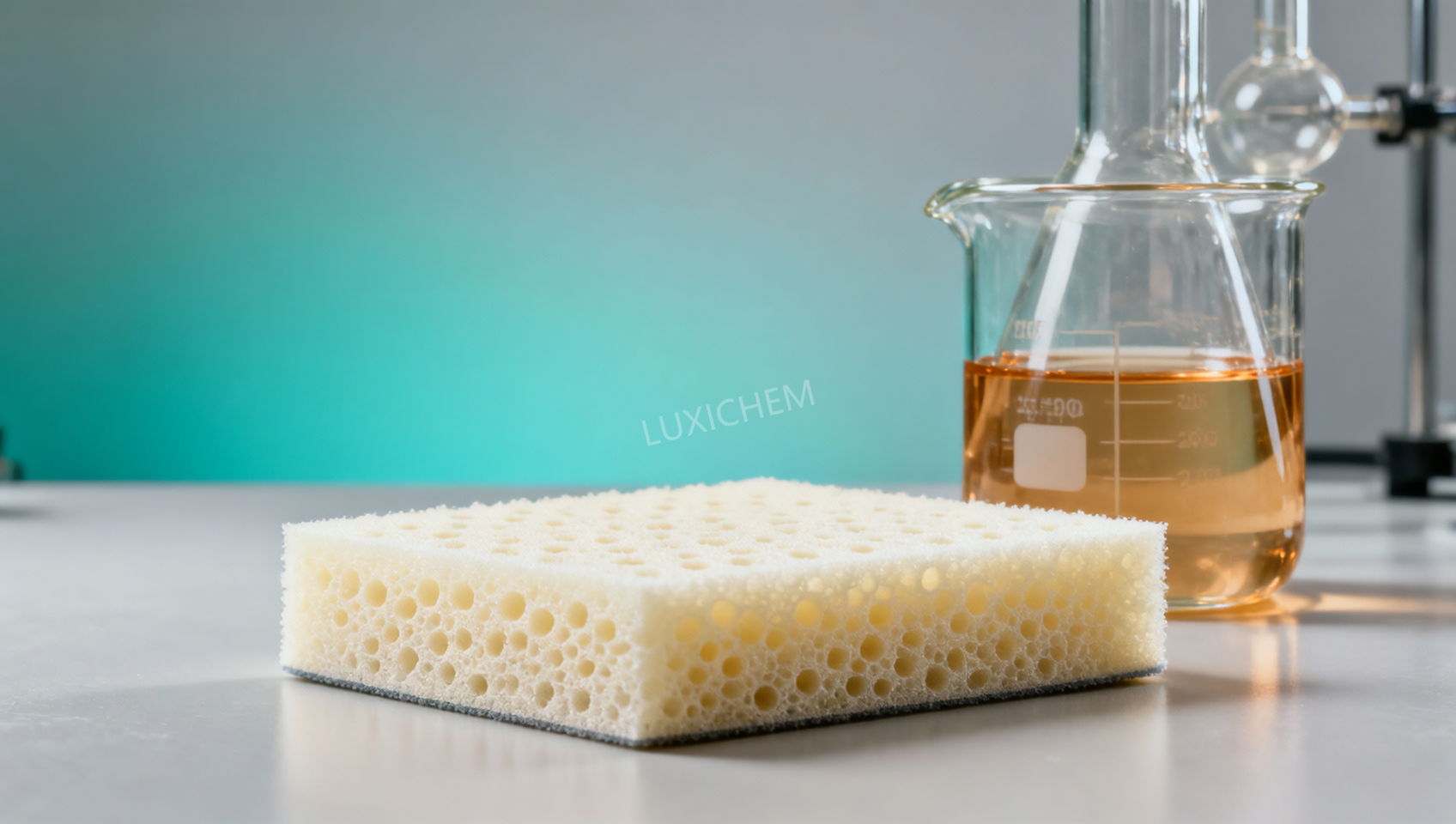
Selecting the right polyester polyol for polyurethane foam is critical when resilience, load-bearing performance, and processing stability are under technical review.
Polyester polyol chemistry can influence foam recovery, durability, density control, and compatibility with isocyanates, catalysts, surfactants, blowing agents, and other additives.
For technical evaluators, the main question is not whether polyester polyols are universally more resilient than alternatives, but when their advantages are measurable.
The overall answer is conditional: polyester polyols can improve resilience when the formulation needs stronger recovery after repeated compression, higher structural strength, and better resistance to heat or oils.
However, resilience depends on the complete polyurethane system, including isocyanate selection, index, molecular design, cell structure, density, additives, processing conditions, and final application requirements.
A technically sound evaluation therefore compares performance against the required service environment rather than relying on a general statement about polyol family performance.
When Polyester Polyol Chemistry Supports Better Foam Recovery
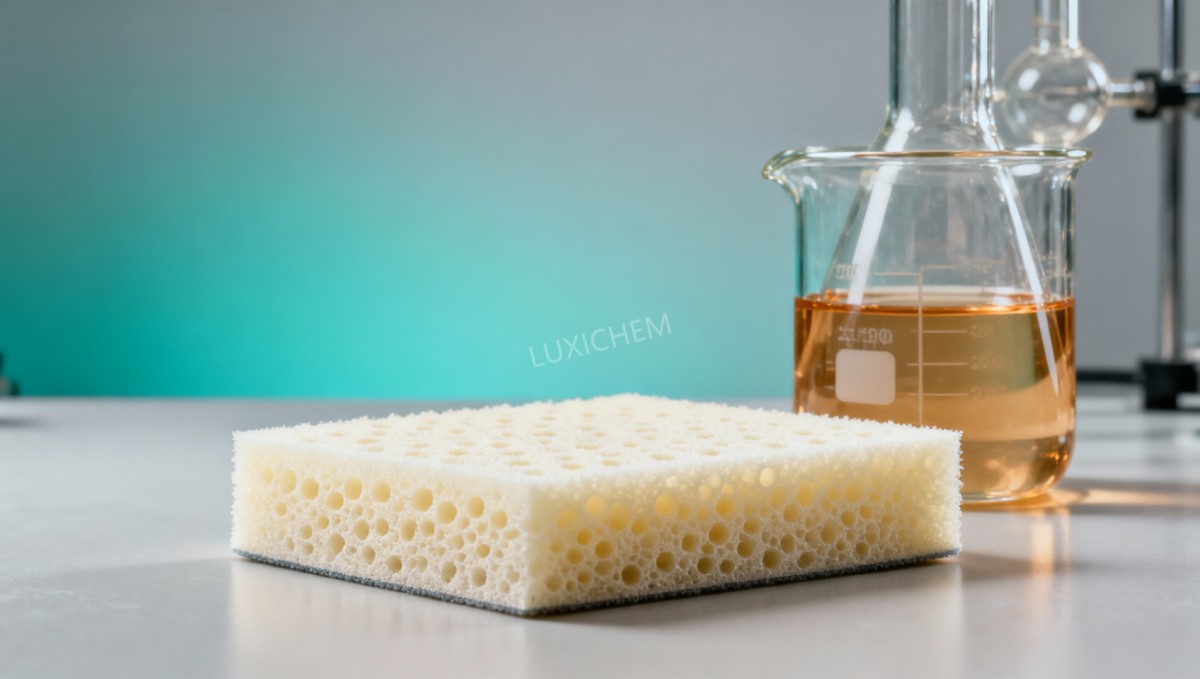
Polyester polyol for polyurethane foam is often selected when a formulation requires a balance between elastic recovery and a more robust polymer network.
Its ester-containing backbone generally provides stronger intermolecular interactions than many polyether alternatives, which can increase cohesive strength within the cured polyurethane structure.
That additional cohesion can help foam resist permanent deformation after compression, particularly where the finished article repeatedly experiences load, impact, or dimensional stress.
Resilience is usually described as the ability of foam to regain shape and thickness after a force is removed.
In practice, evaluators should distinguish between immediate rebound, long-term compression set, fatigue resistance, and retained hardness after accelerated aging.
A foam may show fast initial rebound while still performing poorly after heat aging, humidity exposure, repeated dynamic loading, or contact with oils and plasticizers.
Polyester polyols can be particularly useful where resilience must remain stable after demanding service rather than only meeting initial laboratory rebound values.
Applications such as industrial cushioning, vibration-control components, footwear parts, automotive interior foam, and technical packaging may benefit from this durability profile.
The molecular weight and hydroxyl functionality of the polyester polyol strongly affect the final balance between flexibility, crosslink density, hardness, and recovery behavior.
Lower molecular weight grades can contribute to a tighter and more highly crosslinked structure, increasing strength but potentially reducing softness and rebound.
Higher molecular weight grades generally provide longer flexible chain segments, which may improve softness and extensibility when the formulation remains sufficiently well crosslinked.
Technical teams should therefore evaluate polyester polyol grades as part of a design window rather than treating polyester chemistry as a single, uniform material category.
Which Performance Requirements Justify a Polyester-Based Formulation
Polyester polyol becomes a stronger candidate when the foam must carry sustained loads without excessive thickness loss or hardness change.
Compression set is often the first screening property because it indicates how much deformation remains after compression, recovery time, and specified conditioning.
A lower compression set generally indicates better recovery, although the acceptable target should be defined by the actual application geometry and service temperature.
For seating, padding, and cushioning products, technicians should test both short-term recovery and cyclic fatigue because real loads are rarely applied only once.
For industrial components, retaining shape after elevated-temperature compression may matter more than achieving the highest possible ball rebound value at room temperature.
Polyester polyol for polyurethane foam can also offer advantages when higher tensile strength, tear resistance, or abrasion resistance are needed alongside resilience.
These requirements are often connected because a foam that recovers well but tears easily may still fail during assembly, transport, or prolonged service.
Oil resistance is another important decision factor, especially for foam parts used near lubricants, hydraulic fluids, industrial equipment, or transportation systems.
Polyester-based polyurethane structures may provide better resistance to certain oils and solvents than polyether-based systems, but compatibility must always be verified experimentally.
Hydrolysis resistance requires more caution because ester bonds can be vulnerable in environments combining moisture, heat, and time.
Where tropical storage, humid processing, water contact, or long-term hydrolytic stability is critical, polyether polyols may offer a more appropriate baseline.
The selection decision should therefore reflect the dominant failure mechanism instead of assuming that improved mechanical durability automatically means better environmental durability.
How to Compare Polyester and Polyether Polyols Fairly
Comparisons between polyester and polyether systems should use matched density, hardness, isocyanate index, cell openness, and cure conditions whenever possible.
Without controlled comparisons, apparent resilience differences may result from density variation, surfactant changes, catalyst balance, or incomplete curing rather than polyol chemistry.
Polyether polyols are widely valued for flexibility, low-temperature performance, hydrolysis resistance, and efficient production of many flexible foam systems.
Polyester polyols are often preferred where higher mechanical strength, enhanced load-bearing capacity, improved oil resistance, or more durable dimensional performance is required.
Neither family is automatically superior across all foam applications, and mixed-polyol approaches are frequently used to balance their respective properties.
A polyester-polyether blend can be useful when engineers need more strength and compression performance without sacrificing too much softness, hydrolysis resistance, or processing latitude.
The blend ratio should be optimized through structured trials because small changes can influence viscosity, cream time, rise profile, cell opening, and final hardness.
Evaluation teams should also consider the effect of the selected isocyanate, since MDI and TDI systems develop different processing profiles and polymer architectures.
Increasing isocyanate index may improve certain strength properties, but excessive index can increase brittleness, reduce comfort, alter cell structure, and complicate process control.
For this reason, a raw-material decision based only on a supplier data sheet rarely provides enough evidence for production approval.
The most reliable approach is to define application-specific acceptance criteria before screening several candidate polyester polyol grades under identical laboratory conditions.
What Technical Evaluators Should Test Before Approving a Grade
A practical qualification program begins with incoming-material tests because polyol consistency directly affects foam repeatability and plant-level troubleshooting.
Key incoming controls typically include hydroxyl number, acid value, water content, viscosity, color, functionality, and documented storage stability.
Hydroxyl number affects stoichiometric calculations and crosslink density, making it essential for maintaining the intended isocyanate-to-hydroxyl balance.
Water content deserves special attention because water reacts with isocyanate, producing carbon dioxide and influencing foam rise, density, cell structure, and curing behavior.
Acid value should also be monitored because excessive acidity can affect catalyst performance, reaction balance, corrosion concerns, and long-term formulation consistency.
After material confirmation, bench-scale foaming trials should record cream time, gel time, rise time, tack-free time, maximum exotherm, and demolding behavior.
These processing observations often reveal compatibility issues before expensive physical-property testing begins, especially when changing suppliers or replacing an established grade.
Finished foam testing should include density, indentation force deflection, tensile strength, elongation, tear strength, compression set, resilience, and dimensional stability.
For dynamic applications, fatigue testing after repeated compression provides more useful evidence than one-time rebound measurements alone.
Accelerated aging should reflect realistic risks, including heat aging, humid heat exposure, oil immersion, thermal cycling, and cold-temperature conditioning where applicable.
Testing should include both retained properties and visible changes such as cracking, shrinkage, discoloration, odor, surface tack, or internal cell collapse.
A grade should be approved only when its performance remains inside specification after the relevant aging sequence, not merely when initial test values look favorable.
How Processing Conditions Can Reduce the Expected Resilience Benefit
Even a well-selected polyester polyol cannot deliver reliable resilience when formulation and processing conditions create irregular cells or incomplete polymer development.
In flexible foam production, surfactant choice influences cell nucleation, stabilization, opening, and uniformity, all of which affect recovery and comfort.
Overly closed cells can produce undesirable hardness, shrinkage, or restricted recovery, while excessive cell opening can reduce structural integrity and load support.
Catalyst balance is equally important because blowing and gelling reactions must proceed in a controlled relationship throughout the foam rise process.
Too much blowing activity may produce weak cell walls, while excessive gelling can restrict expansion, increase density variation, and create poor internal morphology.
Temperature control matters because polyester polyol viscosity and reaction kinetics can change with seasonal conditions, storage temperature, and preheating practices.
Material temperatures should be documented at the mixing head rather than assumed from warehouse conditions or tank setpoints.
Inconsistent mixing can also create local stoichiometric variation, leading to uneven hardness, variable density, weak zones, or irregular resilience across the same foam block.
Scale-up trials should therefore confirm that laboratory results survive commercial mixing energy, throughput, mold geometry, ventilation, and demolding schedules.
Technical evaluators should request lot-to-lot consistency information, certificates of analysis, and a defined change-control process from potential polyol suppliers.
Stable raw-material supply is important because minor shifts in hydroxyl number, water content, or viscosity can require formulation adjustments at production scale.
How to Avoid Misidentifying Materials During Raw-Material Sourcing
Procurement databases may contain products with similar descriptions but completely different chemical functions, applications, and regulatory handling requirements.
Technical teams should verify chemical identity, CAS number, physical form, safety documentation, and application relevance before adding any material to a polyurethane formulation review.
For example, 3-[(2-AMINOETHYL)AMINO]PROPANESULFONIC ACID CAS#14235-54-2 should not be assumed to be a polyester polyol feedstock solely because it appears within a broad chemical catalog.
The associated product information describes specifications and applications that require independent confirmation before any relationship to polyurethane foam production is considered.
This type of verification protects formulation teams from substitution errors, incompatible materials, incomplete technical records, and avoidable pilot-scale failures.
A reliable supplier review should include traceability, batch documentation, regulatory status, packaging suitability, transport controls, and technical support for investigation of deviations.
For global procurement programs, lead time and import-export documentation also affect whether a technically suitable grade can be used consistently in production.
Decision Framework for Selecting Polyester Polyol for Polyurethane Foam
Start by defining the performance problem in measurable language, such as excessive compression set, low tear strength, poor heat-aged recovery, or oil-related deterioration.
Then identify the service conditions that cause the problem, including load duration, temperature range, humidity, fluid exposure, cycling frequency, and target product lifetime.
Next, establish a baseline foam formulation using the current polyol system and document processing behavior alongside final physical properties.
Candidate polyester polyols should be screened at controlled replacement levels while holding density, index, catalyst package, and surfactant selection as constant as possible.
Evaluate whether any apparent improvement in resilience creates tradeoffs in hydrolysis resistance, softness, open-cell content, cost, odor, or manufacturing repeatability.
Where no single polyol meets all requirements, assess blends or adjust molecular weight, functionality, isocyanate selection, and crosslinking strategy systematically.
Commercial selection should include total formulation economics rather than material price alone, because reduced rejects, longer service life, and fewer warranty claims may justify higher raw-material cost.
Document the final selection rationale with test evidence, approved processing limits, incoming inspection targets, and contingency plans for supplier or batch variation.
Conclusion
Polyester polyol for polyurethane foam improves resilience most effectively when resilience is linked to load-bearing durability, compression recovery, mechanical strength, and demanding service conditions.
Its value is strongest when the formulation is designed around the required polymer structure instead of relying on polyester chemistry as a standalone solution.
Technical evaluators should compare matched formulations, test aged performance, examine processing stability, and account for hydrolysis risk before making a final selection.
By combining controlled trials with supplier verification and application-specific acceptance criteria, teams can determine whether polyester polyol delivers a meaningful and repeatable resilience advantage.
Related Picks
 Butylated Hydroxytoluene Price Drivers: Supply, Purity, and Purchasing Risk FactorsOct 21, 2026Butylated Hydroxytoluene price trends depend on supply stability, purity, logistics, and purchasing risk. Learn how to compare quotes wisely and reduce sourcing costs.
 Sodium Tripolyphosphate Price Trends: Raw Material and Energy ExposureOct 20, 2026Explore sodium tripolyphosphate price trends, from phosphate and soda ash costs to energy exposure. Learn how to compare quotes, manage sourcing risks, and make smarter purchasing decisions.
 Acetonitrile Shipment to Vietnam Successfully Dispatched; RCEP Benefits Boost Fine Chemical Trade with ASEANSep 16, 2026A shipment of industrial-grade acetonitrile from our company has recently been loaded and dispatched following the completion of standardized hazardous material packaging and container securing procedures.
 Nigerian Client’s Order of 4 Containers of Vinyl Acetate Successfully Loaded and Shipped to West AfricaSep 16, 2026We recently completed the loading of a vinyl acetate order for a Nigerian client; four containers of the product have been successfully packed and are ready for shipment to Nigeria.




Question Consultation
Send Us Your Inquiry Today

Luxi Chemical is a professional chemical product supplier with ample stock of all chemical categories and excellent quality, welcome your purchase inquiry.

