


HDPE Suppliers in a Tight Market: What Impacts Price, Availability, and Lead Times?
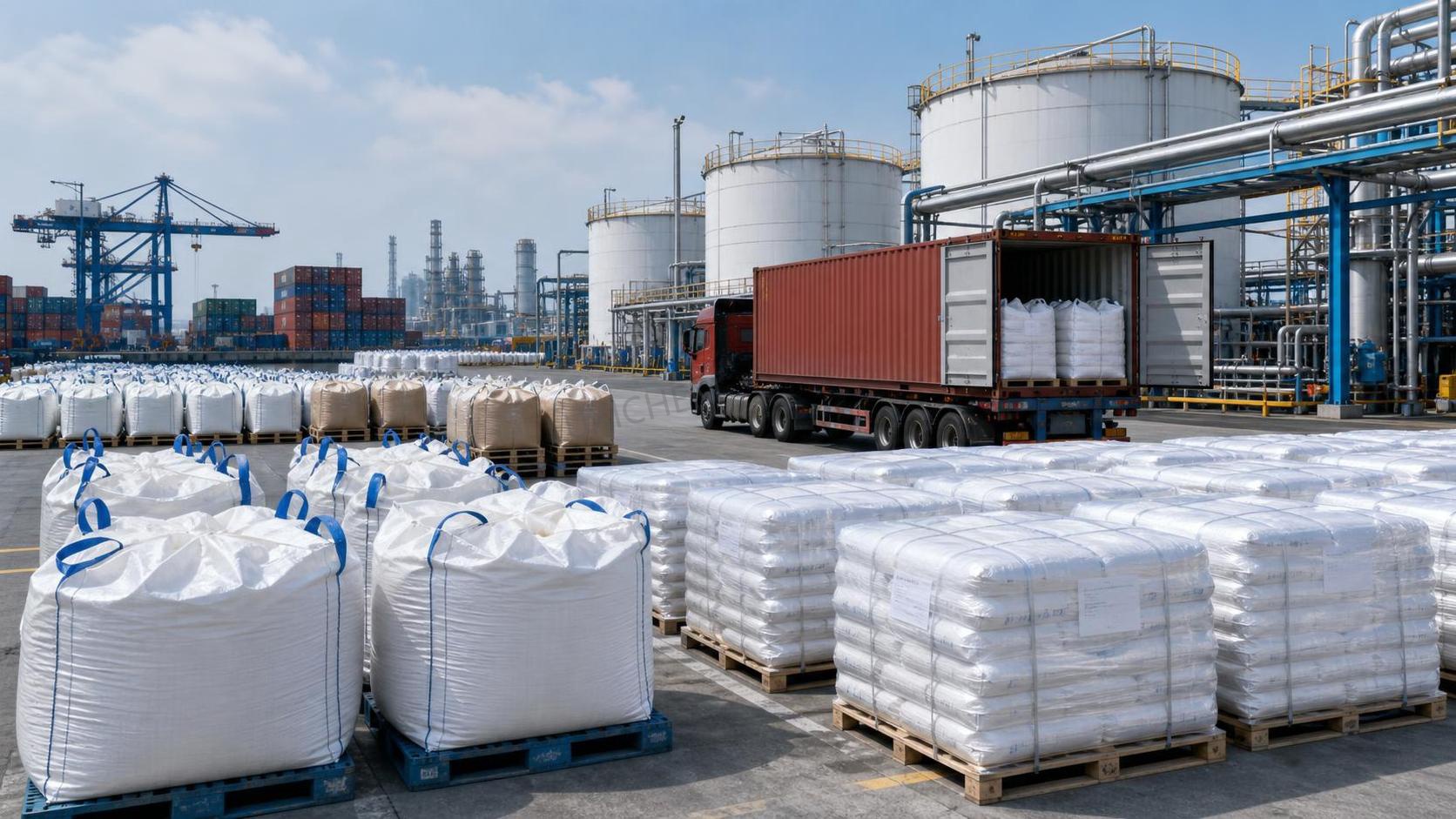
In a tight market, choosing the right hdpe suppliers can directly affect procurement costs, shipment schedules, and supply stability. For purchasing professionals, understanding what drives HDPE price changes, product availability, and lead times is not just useful market knowledge—it is part of day-to-day risk control. When supply gets constrained, small upstream disruptions can quickly turn into delayed containers, revised offers, and difficult conversations with production teams or customers. That is why buyers who understand the mechanics of the market usually make calmer, faster, and more cost-effective decisions.
HDPE is often discussed as if price alone tells the whole story. In reality, tightness in the market is usually a combination of feedstock pressure, plant operating rates, logistics friction, regional trade flows, and shifts in downstream demand. A supplier may still be quoting, but that does not mean material is truly available in the grade, origin, or delivery window you need.
For procurement teams, this creates a familiar challenge: how do you compare offers when the market is moving and lead times are changing at the same time? The answer begins with understanding what is pushing the market out of balance.
Why HDPE markets tighten faster than many buyers expect
HDPE supply chains can look stable for long periods and then become suddenly difficult. This happens because polyethylene markets are deeply connected to upstream petrochemical production and global trade logistics. When one part of that chain tightens, the effects often spread quickly.
A few conditions tend to trigger the strongest market pressure:
- Feedstock volatility: Changes in crude oil, naphtha, or ethylene pricing influence production economics and supplier offer levels.
- Plant outages and maintenance: Planned turnarounds are manageable when inventories are healthy. Unplanned shutdowns are different; they can remove meaningful volume from the market with little warning.
- Export/import rebalancing: If one region becomes more attractive for producers, cargoes are redirected, leaving other buyers with fewer options.
- Freight and port disruption: A market can appear supplied on paper while actual deliveries slip because vessels, containers, or customs processes become bottlenecks.
- Sudden downstream demand recovery: Packaging, construction, consumer goods, and industrial segments do not all move at the same pace, but when several sectors restock together, spot availability can tighten quickly.
Buyers often underestimate how closely these factors interact. A maintenance shutdown on its own may be manageable. Combine it with higher freight costs and stronger regional demand, and the same event turns into a genuine supply squeeze.
What really impacts HDPE prices in a tight market
Price increases are rarely caused by one single issue. For purchasing teams, it helps to separate cost-driven price movement from availability-driven price movement.
Cost-driven increases usually start upstream. If feedstock costs rise, polymer producers face margin pressure and adjust prices accordingly. In these cases, offers from multiple suppliers often move in the same direction, even if local inventory is still acceptable.
Availability-driven increases tend to feel more aggressive. When prompt cargoes are limited, suppliers gain less flexibility in negotiation. Buyers may see reduced validity periods, smaller allocation volumes, or a shift away from spot sales toward contract commitments. This is the type of market where quote comparisons become frustrating because the lowest number is not always attached to the most reliable shipment schedule.
Grade specificity also matters more than many non-specialist buyers expect. HDPE is not one interchangeable item. Blow molding, film, injection, pipe, and other application requirements each have their own supply-demand patterns. A buyer looking for a common grade may still have options, while another sourcing a narrower specification may face a much tighter market even during the same month.
Geography adds another layer. Domestic availability, import dependence, anti-dumping rules, and local logistics conditions all affect the final landed cost. This is why experienced hdpe suppliers do more than send a quote—they explain the origin, timing, and assumptions behind it.
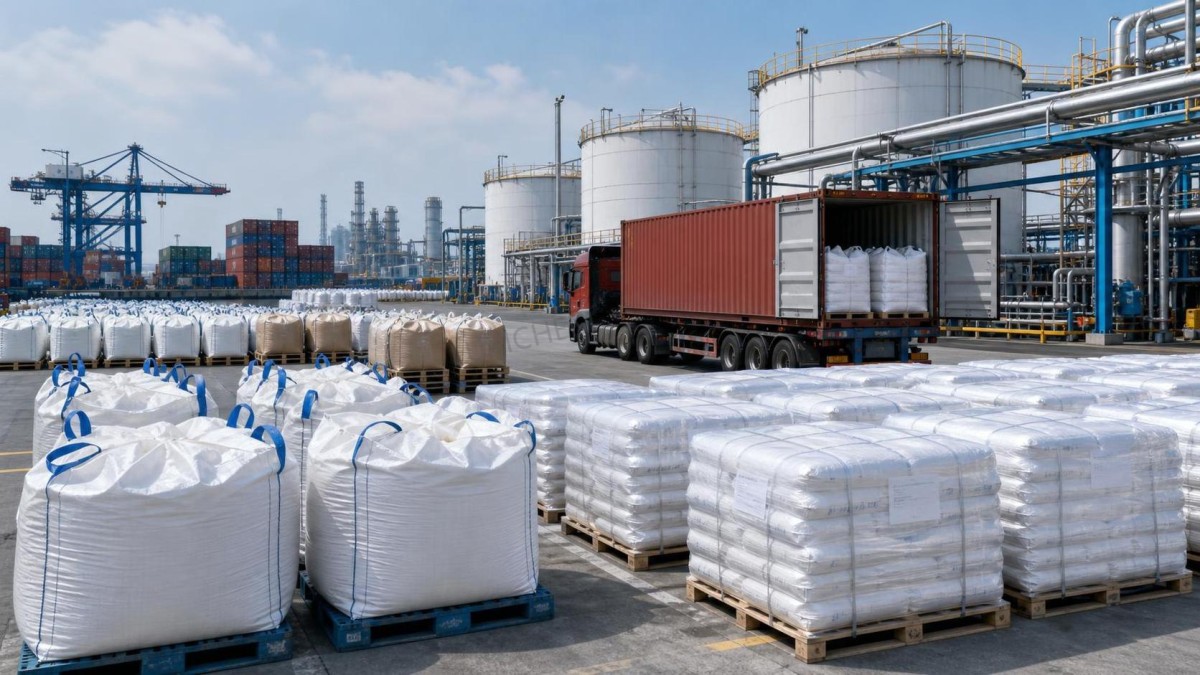
Availability is not just about whether material exists
One of the biggest procurement mistakes in a tight market is treating “available” as a simple yes-or-no answer. In practice, availability has at least four dimensions:
- Is the required grade available?
- Is the quantity available in one lot or only in partial shipments?
- Is the origin acceptable for your compliance, performance, or customer approval needs?
- Is the cargo available within your required delivery window?
A supplier may have material, but perhaps only from an origin your plant has not approved. Another supplier may offer the correct specification, but only for loading several weeks later. On paper, both are “available.” In procurement reality, neither may solve your problem.
This is why buyers should ask more detailed questions during tight periods. Instead of requesting only price and lead time, it is better to confirm inventory status, production allocation, shipment mode, packing options, and substitution possibilities. The more specific your inquiry, the more meaningful the supplier response becomes.
Why lead times stretch even when production is running
Longer lead times do not always mean factories are offline. In many cases, production continues, but the queue gets longer. Suppliers may prioritize contract customers, larger-volume commitments, or markets with better netbacks. That leaves spot buyers facing delayed loading windows.
Lead times also expand because each handoff in the supply chain introduces uncertainty. Resin may be produced on time but then wait for bagging, truck allocation, warehouse release, port booking, or vessel space. If documentation needs special handling for export markets, another few days can disappear. These are not dramatic headline events, but together they are enough to shift a delivery promise into a delivery risk.
For import buyers, the distinction between production lead time and landed lead time is especially important. A supplier may quote a short manufacturing schedule while ocean transit, transshipment, customs clearance, or inland delivery adds far more time than expected. Procurement teams that plan only around ex-works or FOB timing often discover the delay too late.
How purchasing teams can read supplier signals more accurately
When the market is tight, not every supplier update is equally useful. Some signals are more predictive than others.
Watch for these patterns:
- Short quote validity: This often suggests the supplier expects market movement or limited inventory flexibility.
- Allocation language: If volume is being capped, the supplier is likely managing constrained supply rather than open inventory.
- Alternative origins being pushed: This may indicate preferred sources are becoming harder to secure.
- Delayed specification confirmation: Sometimes the issue is not overall volume but exact grade matching.
- Repeated schedule revisions: This points to logistics pressure even if production appears normal.
Procurement professionals benefit from comparing not just the numbers on the offer sheet, but the consistency behind the communication. A slightly higher offer from a supplier with clear allocation, realistic transit timing, and responsive documentation support may end up costing less than a lower quote that slips twice.
What buyers should ask before confirming an order
In a loose market, many details can be handled later. In a tight market, that habit becomes expensive. Before confirming with HDPE suppliers, buyers should clarify several points that directly affect execution:
- What is the actual cargo status: ready stock, planned production, or subject to allocation?
- What lead time is being quoted: production, loading, departure, or estimated arrival?
- Are there any packaging, palletizing, or labeling limits for the shipment?
- Is the grade from a regular origin or an alternative source?
- What documents will be provided, and when?
- Are there any substitution options if the requested grade tightens further?
These questions may feel basic, but they reveal whether a supplier is simply offering material or actively managing the supply chain. In volatile conditions, that difference matters.
The advantage of broader sourcing relationships
Many purchasing teams start looking for new suppliers only after shortages appear. By then, qualification time, compliance review, and commercial alignment can slow everything down. A better approach is to build supplier diversity before pressure peaks.
For companies buying across chemical categories, working with a broader trading and supply partner can also reduce procurement friction. A company such as Luxi Chemical (Shandong) Co., Ltd., which serves global customers with a wide portfolio of chemical raw materials and related products, reflects a model many buyers value during uncertain markets: one-stop coordination, stable communication, and cross-category sourcing support. Even when HDPE itself is the urgent item, buyers often benefit from consolidating related procurement planning with a partner familiar with international chemical trade requirements.
That broader procurement logic applies beyond polymers. For example, in many industrial sourcing environments, teams may be purchasing entirely different categories in parallel, from resins to additives to inorganic materials such as Ammonium Molybdate CAS#13106-76-8. The common challenge is not just finding product—it is securing dependable supply, clear documentation, and workable shipment timing across multiple SKUs.
Common mistakes when evaluating HDPE suppliers in a volatile market
Some procurement errors repeat in almost every tight cycle.
One is over-focusing on the opening quote. The first price is visible, but the full landed result depends on timing, origin, freight, and execution reliability. Another is assuming all delays come from the producer. Quite often, congestion sits in logistics rather than manufacturing.
A third mistake is waiting too long to escalate internally. If demand is firm and supply signals are tightening, procurement should update planning, operations, and sales teams early. Last-minute substitutions or urgent premium purchases usually cost more than controlled early action.
There is also the risk of underestimating documentation and compliance. A cargo that looks attractive commercially may not fit your internal standards, customer approvals, or destination market requirements. In a tight market, speed matters, but so does discipline.
A practical way to source more confidently
For buyers navigating a difficult market, the goal is not to predict every price move perfectly. It is to make better decisions with incomplete information. That usually means combining several habits: track upstream feedstock signals, monitor regional supply events, maintain active communication with multiple suppliers, and distinguish between nominal availability and executable supply.
It also helps to segment purchases by urgency. Some volumes should be contract-protected, some can remain flexible, and some may justify testing alternative origins or substitute grades in advance. Procurement works better when not every order is treated the same way.
In the end, tight markets reward preparation more than reaction. Buyers who understand how price, availability, and lead times connect are in a stronger position to negotiate realistically, protect production continuity, and avoid false savings. For any team screening hdpe suppliers, that is the real objective: not merely getting an offer, but securing supply with fewer surprises.
Related Picks
 Butylated Hydroxytoluene Price Drivers: Supply, Purity, and Purchasing Risk FactorsOct 21, 2026Butylated Hydroxytoluene price trends depend on supply stability, purity, logistics, and purchasing risk. Learn how to compare quotes wisely and reduce sourcing costs.
 Sodium Tripolyphosphate Price Trends: Raw Material and Energy ExposureOct 20, 2026Explore sodium tripolyphosphate price trends, from phosphate and soda ash costs to energy exposure. Learn how to compare quotes, manage sourcing risks, and make smarter purchasing decisions.
 Acetonitrile Shipment to Vietnam Successfully Dispatched; RCEP Benefits Boost Fine Chemical Trade with ASEANSep 16, 2026A shipment of industrial-grade acetonitrile from our company has recently been loaded and dispatched following the completion of standardized hazardous material packaging and container securing procedures.
 Nigerian Client’s Order of 4 Containers of Vinyl Acetate Successfully Loaded and Shipped to West AfricaSep 16, 2026We recently completed the loading of a vinyl acetate order for a Nigerian client; four containers of the product have been successfully packed and are ready for shipment to Nigeria.




Question Consultation
Send Us Your Inquiry Today

Luxi Chemical is a professional chemical product supplier with ample stock of all chemical categories and excellent quality, welcome your purchase inquiry.

