


LDPE Supplier Sustainability Reporting: Carbon Footprint per Ton, Recycled Content Validation, and Circularity Roadmaps
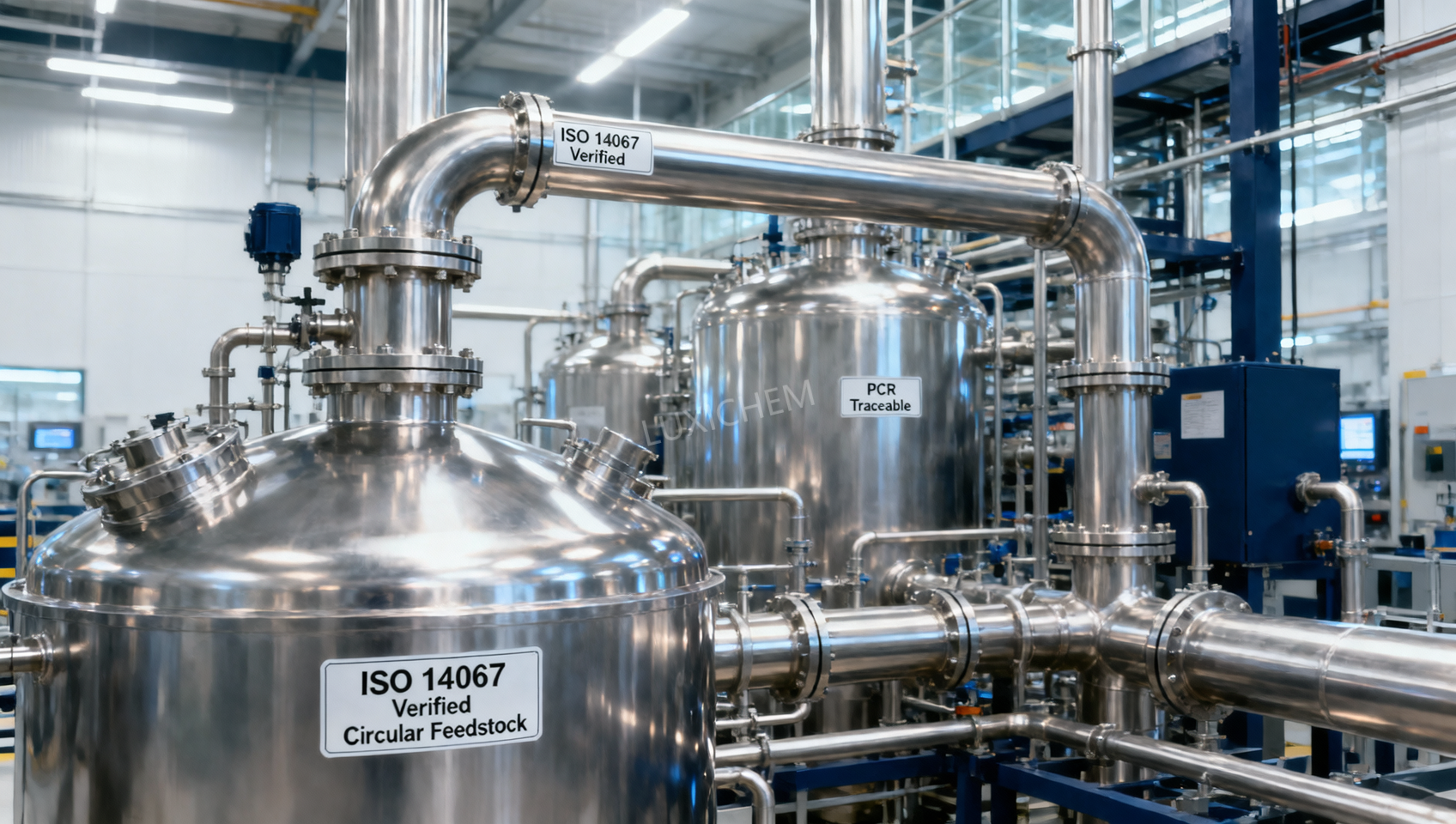
When procurement leaders, sustainability officers, and supply chain decision-makers search for an LDPE supplier, they’re no longer just evaluating price, consistency, or delivery lead time. They’re assessing how deeply sustainability is embedded—not as a marketing claim, but as a measurable, auditable, and actionable part of the material’s lifecycle. That shift isn’t theoretical. It’s driven by tightening ESG disclosure requirements in the EU (CSRD), investor expectations in North America, and brand-level net-zero commitments across food packaging, agricultural films, and FMCG applications—sectors where Luxi Chemical serves over 60 countries.
Carbon footprint per ton: Transparency starts with granularity—not averages
A single “carbon footprint” number per ton of LDPE is only useful if it reflects your actual use case. Generic industry averages (e.g., “1.8–2.3 tCO₂e/ton”) obscure critical variables: feedstock origin (naphtha vs. ethane), energy mix at the cracker site, polymerization technology (high-pressure tubular vs. autoclave), and whether steam or electricity is grid-sourced or self-generated. What matters to your team is not a benchmark—but your specific scope 1+2 footprint, calculated using ISO 14067 methodology and verified by an accredited third party like TÜV Rheinland or SGS.
At Luxi Chemical, we report carbon intensity per ton on a batch level—not annually aggregated—and break down emissions across three stages: raw material extraction (including upstream methane leakage estimates), monomer production, and final polymerization. This allows procurement teams to compare apples-to-apples across suppliers—and identify where co-processing or renewable energy integration delivers real reductions. Crucially, we disclose methodological assumptions (e.g., allocation rules for co-products like propylene) so your LCA team can reconcile our data with your internal models.
Recycled content validation: Certification ≠ traceability
“Contains 30% recycled LDPE” means little without chain-of-custody verification. Many suppliers rely on mass balance certification (e.g., ISCC PLUS), which tracks volume but doesn’t guarantee physical presence of post-consumer resin in your shipment. For brands facing strict regulatory scrutiny—especially in food-contact or medical-grade applications—this distinction is operational, not semantic.
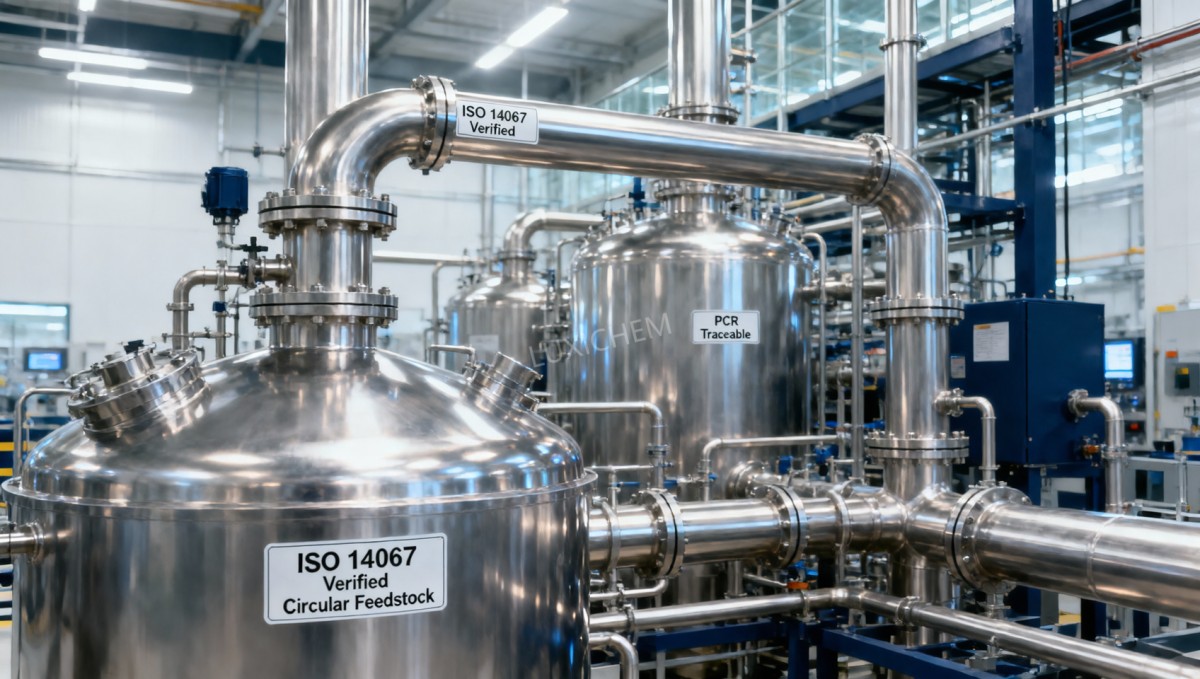
We go beyond mass balance. For all recycled-content LDPE grades, we require full PCR (post-consumer resin) traceability from certified collection hubs through mechanical recycling partners—including spectroscopic verification of polymer identity and contaminant screening (heavy metals, halogens, residual pesticides). Each lot comes with a digital certificate showing resin origin, recycling pathway, and test reports against ISO 22095 and ASTM D7209. That means your quality assurance lab doesn’t need to retest for compliance—it receives validated data upfront.
Why this matters for agriculture and food processing customers
Film used in silage wrapping, greenhouse covers, or frozen-food pouches faces dual pressure: performance under UV exposure and moisture barrier integrity *plus* growing retailer mandates for recycled content. But blending virgin and recycled LDPE introduces variability in melt flow index (MFI) and gel count—both directly affecting extrusion stability and film clarity. Our validated recycled content is pre-blended and stabilized using antioxidants compatible with food-grade requirements. That’s where functional chemistry intersects with circularity: stabilizers like those derived from p-Cresol CAS#106-44-5 help maintain polymer integrity during multiple thermal cycles—ensuring consistent processability without sacrificing shelf-life protection.
Circularity roadmaps: Beyond recycling—toward system-level responsibility
A true circularity roadmap isn’t a timeline with aspirational targets (“30% recycled by 2030”). It’s a technical and commercial plan that answers three questions:
- What happens when your LDPE film reaches end-of-life? We co-develop take-back pilots with agritech partners—collecting used mulch films from farms, cleaning them via solvent-free dry separation, and feeding them into closed-loop extrusion lines. No landfill diversion claims. Measured kg recovered per hectare.
- Where does your next ton of LDPE come from—and what alternatives exist? We map feedstock options: bio-based ethylene (from sugarcane ethanol), electrochemical CO₂-to-ethylene pathways, and advanced recycling outputs. Not all are commercially viable today—but we share feasibility assessments, not hype.
- How do you de-risk transition? Switching to higher recycled content requires validating seal strength, puncture resistance, and UV stability under real-world conditions. We provide accelerated aging data (ASTM G154) and field trial support—not just lab specs.
This approach aligns with how decision-makers actually operate: balancing near-term procurement needs with long-term regulatory readiness. It avoids the trap of treating sustainability as a separate “compliance module”—instead integrating it into material specification, supplier qualification, and new product development workflows.
What gets overlooked—and why it costs more later
Three practical gaps routinely undermine LDPE sustainability initiatives:
1. Ignoring formulation compatibility. Adding recycled content changes rheology. If your compounder uses a different antioxidant package than your LDPE supplier assumes, oxidation onset temperature drops—leading to premature embrittlement in storage. We share full additive package disclosures (including carrier resins and migration limits) so your R&D team can model interactions—not guess.
2. Assuming “recycled” means “food-safe.” PCR from mixed-waste streams often contains contaminants incompatible with FDA 21 CFR 177.1520 or EU 10/2011. Our food-grade recycled LDPE comes exclusively from mono-material post-industrial scrap (e.g., trim from certified food-packaging lines) or rigorously sorted post-consumer sources with full heavy metal and volatile organic compound (VOC) profiling.
3. Overlooking logistics emissions in footprint reporting. A low-carbon polymer becomes high-carbon if shipped 12,000 km by container vessel using HFO fuel. We offer regional production partnerships—in Southeast Asia, the Middle East, and Latin America—to reduce transport-related scope 3 emissions without compromising quality control. Your carbon accounting team receives verified transport data alongside polymer data.
Not every LDPE supplier can deliver this—here’s why
Building this level of transparency requires vertical integration, not just trading. Luxi Chemical controls key segments of the value chain: ethylene sourcing, polymer compounding, and third-party testing coordination. More importantly, it demands alignment between commercial, technical, and sustainability functions—so carbon reporting isn’t siloed in EHS, and recycled content validation isn’t handled separately from QC.
That’s why our sustainability reporting isn’t a PDF add-on. It’s built into our ERP system—linked to batch numbers, test certificates, and logistics manifests. When your procurement manager requests data for a CDP submission, it’s generated in hours—not weeks. When your sustainability officer audits our circularity claims, they access live dashboards showing PCR intake volumes, recycling partner certifications, and real-time emissions tracking per production line.
For decision-makers in agriculture, food processing, and daily chemicals, partnering with an LDPE supplier that treats sustainability as an engineering discipline—not a communications exercise—means fewer surprises, faster validation cycles, and credible progress toward science-based targets. It also means one less point of failure in your own ESG reporting pipeline.
The trend isn’t moving toward “more sustainable LDPE.” It’s moving toward verifiably accountable LDPE sourcing. And accountability starts with data you can use—not just display.
Related Picks
 Butylated Hydroxytoluene Price Drivers: Supply, Purity, and Purchasing Risk FactorsOct 21, 2026Butylated Hydroxytoluene price trends depend on supply stability, purity, logistics, and purchasing risk. Learn how to compare quotes wisely and reduce sourcing costs.
 Sodium Tripolyphosphate Price Trends: Raw Material and Energy ExposureOct 20, 2026Explore sodium tripolyphosphate price trends, from phosphate and soda ash costs to energy exposure. Learn how to compare quotes, manage sourcing risks, and make smarter purchasing decisions.
 Acetonitrile Shipment to Vietnam Successfully Dispatched; RCEP Benefits Boost Fine Chemical Trade with ASEANSep 16, 2026A shipment of industrial-grade acetonitrile from our company has recently been loaded and dispatched following the completion of standardized hazardous material packaging and container securing procedures.
 Nigerian Client’s Order of 4 Containers of Vinyl Acetate Successfully Loaded and Shipped to West AfricaSep 16, 2026We recently completed the loading of a vinyl acetate order for a Nigerian client; four containers of the product have been successfully packed and are ready for shipment to Nigeria.




Question Consultation
Send Us Your Inquiry Today

Luxi Chemical is a professional chemical product supplier with ample stock of all chemical categories and excellent quality, welcome your purchase inquiry.

