


PVC Raw Material Price Drivers: How Supply, Grade, and Additives Affect Cost
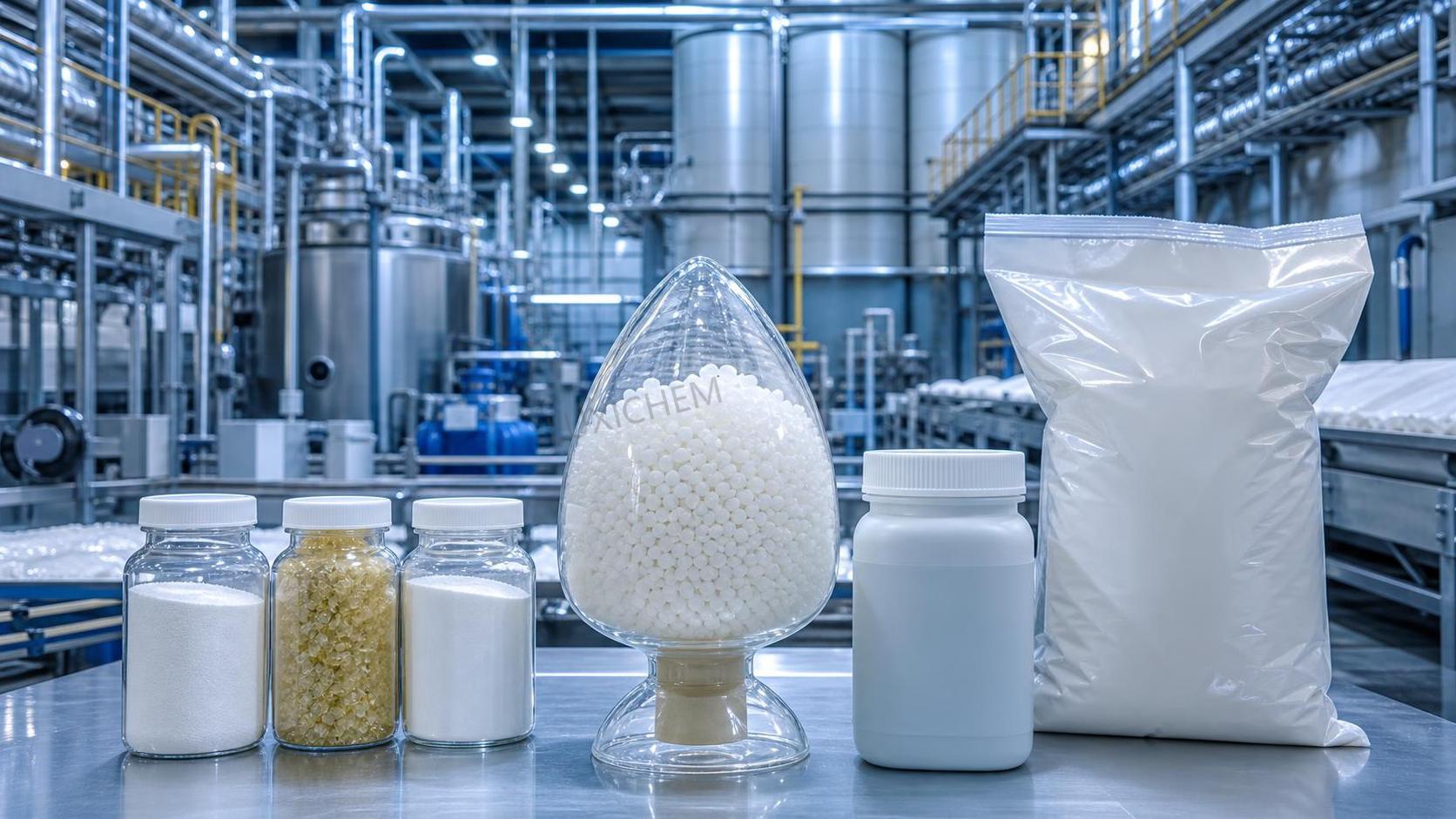
Supply-side movement remains the fastest visible trigger in pvc raw pricing, but it rarely acts alone. Resin values can shift when upstream chlorine availability tightens, when ethylene or carbide-based feedstock costs move, or when operating rates at major PVC units change because of maintenance, power constraints, or environmental controls. In practice, the market often reacts not only to whether a plant is running, but to what grade mix is actually available for shipment. A producer may keep volume flowing while reducing certain suspension grades or delaying specialty lots, and that selective tightness can lift transaction values even when headline output appears stable.
Two production routes usually sit behind the first layer of cost discussion: the ethylene route and the calcium carbide route. Each has different exposure points. Ethylene-based PVC tends to be more sensitive to cracker economics, chlorine balance, and logistics tied to integrated petrochemical operations. Carbide-based PVC is often more exposed to power pricing, coke or coal-derived inputs, and the operating discipline of carbide furnaces. Neither route guarantees a lower delivered cost in every market. Freight distance, utility volatility, and local supply concentration can erase an apparent feedstock advantage quickly.
Short-term price conversations often miss a practical issue: quoted resin price and usable resin cost are not identical. A lower number on paper may lose its advantage if the lot has wider K-value variation, inconsistent bulk density, poor heat stability in processing, or more fish eyes than the application can tolerate. For extrusion, calendering, cable compounds, rigid sheet, or medical-adjacent formulations, processing behavior can have a larger impact on total cost than the initial invoice value. Extra machine downtime, scrap generation, slower line speed, and reformulation work all convert a cheap pvc raw offer into an expensive one.
Grade selection changes the cost structure before additives are even considered
PVC is not a single interchangeable commodity. Suspension PVC, emulsion PVC, and bulk or mass polymerization materials can serve very different processing windows. Within suspension grades alone, K-value, porosity, particle size distribution, whiteness, residual VCM level, apparent density, and absorption behavior all matter. A lower-K grade may process differently in flexible applications than a higher-K grade intended for rigid pipe or profile. When a converter substitutes one grade for another because supply is tight, the resin price difference is only the visible part of the shift. Stabilizer demand, lubricant balance, gelation speed, melt torque, and final mechanical properties may all need adjustment.
Rigid PVC formulations usually pay close attention to fusion behavior and thermal stability. If the selected resin fuses too slowly, output may fall or processing temperatures may need to rise. If fusion occurs too aggressively, surface quality or dimensional control can become harder to maintain. Flexible PVC introduces another cost layer because resin compatibility with plasticizers affects absorption time, dry blend flow, and final softness. A grade that looks acceptable from a generic specification sheet may still create blending or plastisol viscosity issues once it enters actual production.
Specialty grades can widen the gap further. Paste PVC for synthetic leather, gloves, coatings, or wallcovering compounds is priced on a different logic than standard suspension resin because particle morphology and rheology requirements are narrower. Resin for transparent film, wire and cable insulation, or high-fill compounds can also carry a premium when consistency is more difficult to maintain. In these segments, the acceptable range for variation is often tighter than in general-purpose applications, which means supply disruptions hit price faster.
Additives can outweigh the resin move in finished compound cost
Many market discussions stop at PVC resin trends, yet compound economics often turn on additives. Stabilizers, plasticizers, impact modifiers, lubricants, processing aids, fillers, pigments, flame retardants, and anti-static agents all influence the final number. A modest change in resin price may be overshadowed if a plasticizer tightens, if a tin or calcium-zinc stabilizer grade becomes harder to source, or if impact modifier demand rises due to seasonal construction output.
Plasticizers are especially important in flexible PVC. The choice between general-purpose and specialty plasticizers can alter both formulation cost and processing behavior. Volatility resistance, low-temperature performance, migration characteristics, and regulatory suitability for end use may narrow the field of acceptable options. When a commonly used plasticizer becomes expensive or constrained, switching to a substitute is not always straightforward. Compatibility, hardness profile, tensile retention, odor, and processing stability may all shift. The resin itself may still be available at a familiar level, but the practical cost of producing the same flexible compound has changed.
Stabilizer systems create another layer of variation. Calcium-zinc, organotin, lead-free blends, and other heat stabilizer packages do not perform identically across pipe, profile, sheet, cable, or injection applications. Dosage can change with resin quality, filler level, residence time, and processing temperature. A resin lot with weaker thermal behavior may force a higher stabilizer loading. That increases cost quietly, because the resin quote remains unchanged while the formulation no longer matches the original standard recipe.
Lubricants and processing aids are frequently underestimated in cost reviews. Internal and external lubricant balance affects fusion and surface finish. Acrylic processing aids can improve melt strength and throughput, but they also change formulation cost and may need recalibration when resin porosity or bulk density shifts. Impact modifiers such as CPE, MBS, or acrylic types can be sensitive to supply cycles of their own. In a rigid outdoor profile formulation, for example, a resin discount can disappear once modifier loading is increased to maintain impact performance under colder service conditions.
Even fillers, often seen mainly as cost reducers, can raise total production cost under the wrong conditions. Calcium carbonate with different particle sizes, surface treatment, or moisture levels affects torque, surface appearance, and mechanical performance. Higher filler loading may lower raw material cost per kilogram while increasing reject rates, tool wear, or dimensional instability. The financial result depends on the whole processing system rather than on additive price in isolation.
Freight, packaging, and inventory timing often distort the apparent market level
Delivered pvc raw cost can diverge sharply from ex-works indications. Resin packed in 25 kg bags, jumbo bags, rail cars, tank trucks, or bulk containers carries different handling costs and loading constraints. Moisture control, contamination risk, unloading equipment, and warehouse conditions all affect the usable value of the material. Bulk delivery may lower unit logistics cost where infrastructure supports it, but it can increase operational exposure if storage silos are limited or if grade changeovers are frequent.
Port congestion, container repositioning, inland trucking shortages, and vessel schedule gaps can change the cost picture without any change in resin fundamentals. The same grade may look competitively priced in one region and uneconomic in another after demurrage, transfer fees, and inland drayage are added. Lead time matters too. A material with a lower nominal price but a longer transit cycle increases working capital and reduces flexibility when downstream demand shifts.
Inventory timing can also create false signals. When traders, distributors, or end users rebuild stocks after a low-inventory period, spot prices may rise faster than actual consumption. The opposite can happen when high inventories suppress fresh buying even though upstream producers are facing stronger costs. Reading the market only from spot offers can therefore be misleading, particularly if contract volumes are still moving under earlier formulas or if a region is digesting cargoes booked weeks before current quotations appeared.
Specification drift creates hidden cost even when supply is available
One of the more expensive mistakes in PVC procurement is treating equivalent labels as equivalent performance. Two lots carrying similar grade codes may differ enough in volatile content, fish eye count, thermal behavior, or bulk density to alter plant performance. These differences often become visible only during mixing, extrusion startup, or surface inspection. A strict internal receiving protocol can reveal the issue, but many cost comparisons are done before that stage.
Typical trouble points include:
- Dry blend flow that changes feeder consistency and causes line instability.
- Resin porosity that affects plasticizer uptake time in flexible compounds.
- Unexpected color shift after heat history, especially in light-colored rigid products.
- Fine content or caking that slows pneumatic conveying or creates dust-handling concerns.
None of these problems automatically means a shipment is defective. They do mean that price comparisons across suppliers require more than a grade name and a basic COA review. If processing conditions are narrow, the cost of validating a substitute should be treated as part of the sourcing decision.
This issue appears in other chemical categories as well. A material such as Gadolinium oxide CAS#12064-62-9 may trade within its own technical market under a very different demand pattern, yet the commercial lesson is similar: usable value depends on specification fit, not only on the headline offer.
Regional energy exposure and shutdown patterns matter more than broad sentiment
General market sentiment tends to receive too much attention compared with operating detail. PVC production is energy-intensive in several stages, directly or indirectly, and regional energy disruptions can alter supply behavior quickly. Planned turnarounds are usually easier for the market to digest because they are partially priced in ahead of time. Unplanned outages are different. If they affect a producer known for consistent supply of a narrow grade family, the market response can be sharper than the outage volume alone would suggest.
Weather can also reshape costs through transport restrictions, utility interruptions, or feedstock logistics delays. Cold conditions may interfere with certain inland transport routes; heavy rainfall can slow loading and unloading; high summer power demand can tighten electricity-intensive operations. These are not abstract factors. They can change whether resin ships on time, whether additives arrive in sequence, and whether compounded PVC production needs to consume safety stock earlier than planned.
Import dependence is another variable. Regions that rely on imported suspension resin or specialty additives remain more exposed to currency movement, port handling delays, and the timing mismatch between local demand and ocean freight cycles. When domestic supply is balanced but an additive package is import-dependent, the final compound may still experience cost pressure even though headline PVC resin numbers look calm.
Application requirements decide whether a cheaper offer is actually usable
Pipe, profile, cable, flooring, film, synthetic leather, medical tubing, and injection-molded fittings do not absorb cost pressure in the same way. Pipe formulations may tolerate certain resin substitutions if hydrostatic performance, fusion behavior, and processing stability remain within target. Transparent applications are much less forgiving if haze, gels, or color are affected. Cable compounds introduce another layer because insulation performance, flame behavior, and plasticizer migration may become limiting factors before resin price matters.
Outdoor applications can be especially sensitive. UV exposure, heat aging, and impact retention may require additive packages that are not easy to optimize when resin properties shift. A lower-cost resin can force higher use of processing aid or modifier, reducing or eliminating savings. In flooring or coated fabric, plastisol viscosity profile and storage stability become central; a resin switch that looks acceptable in a dry blend application may not work at all in a liquid dispersion system.
Maintenance and equipment wear also belong in the cost discussion. Higher dust generation can affect housekeeping and filter replacement frequency. Poorer flow can raise mixer residence time. Changes in fusion behavior may increase screw or barrel stress in extrusion. These are operating costs tied to raw material quality, but they often sit outside conventional material price tracking.
Another common misread is assuming that additive simplification always lowers total cost. In some cases, reducing the number of additives can make the formulation more sensitive to resin variability. A slightly more robust package may carry a higher direct material cost while protecting line speed and finished quality more effectively. The lower-cost approach depends on plant conditions, product tolerances, and the consistency of incoming pvc raw supply.
Market direction in PVC is therefore better understood as the interaction of feedstock exposure, grade availability, additive pressure, and delivered logistics. Resin price still anchors the discussion, but it does not finish it. The more technical the application and the narrower the processing window, the less useful a single benchmark number becomes. Even in periods of stable quotations, hidden movement can continue through formulation adjustments, freight volatility, and specification drift.
For that reason, the sharpest cost readings usually come from watching several variables together: route-specific supply changes, grade-level availability, additive substitutions under consideration, packaging and freight terms, and the amount of validation work a different source would require. A market can look steady while total compound cost is moving underneath it. The reverse can happen as well. In PVC, that difference is where many pricing errors begin.
Related Picks
 Butylated Hydroxytoluene Price Drivers: Supply, Purity, and Purchasing Risk FactorsOct 21, 2026Butylated Hydroxytoluene price trends depend on supply stability, purity, logistics, and purchasing risk. Learn how to compare quotes wisely and reduce sourcing costs.
 Sodium Tripolyphosphate Price Trends: Raw Material and Energy ExposureOct 20, 2026Explore sodium tripolyphosphate price trends, from phosphate and soda ash costs to energy exposure. Learn how to compare quotes, manage sourcing risks, and make smarter purchasing decisions.
 Acetonitrile Shipment to Vietnam Successfully Dispatched; RCEP Benefits Boost Fine Chemical Trade with ASEANSep 16, 2026A shipment of industrial-grade acetonitrile from our company has recently been loaded and dispatched following the completion of standardized hazardous material packaging and container securing procedures.
 Nigerian Client’s Order of 4 Containers of Vinyl Acetate Successfully Loaded and Shipped to West AfricaSep 16, 2026We recently completed the loading of a vinyl acetate order for a Nigerian client; four containers of the product have been successfully packed and are ready for shipment to Nigeria.




Question Consultation
Send Us Your Inquiry Today

Luxi Chemical is a professional chemical product supplier with ample stock of all chemical categories and excellent quality, welcome your purchase inquiry.

